Uganda is scaling TB screening by combining Delft Light, CAD4TB, mobile clinics, and data-driven hotspot mapping. This approach helps the National TB and Leprosy Program screen people closer to where they live, identify who needs confirmatory testing, and improve access for high-risk and hard-to-reach communities.
In the recent Delft webinar, “From deployment to long-term impact: Building sustainable screening programmes through high-impact innovation, service, and support,” Dr. Henry Luzze, Assistant Commissioner of Health Services and Program Manager for Uganda’s National TB and Leprosy Program, shared how Uganda is moving from pilot deployment to sustainable national scale-up.
Why Uganda needed a new TB screening approach
Uganda has an estimated annual TB incidence of about 96,000 to 99,000 cases. Each year, an estimated 10,000 TB cases remain undiagnosed or unreported. High-burden areas include northeastern Uganda, districts around Lake Victoria, urban hotspots such as Kampala, and other communities where access to facility-based care can be difficult.
Traditional symptom-based screening has limitations, especially among people who have no symptoms. This means some people with TB may not be identified early enough through symptom screening alone.
In 2020, Uganda had a TB case detection gap of nearly 40%. In response, the Ministry of Health shifted toward active case finding using digital chest X-ray, CAD4TB, mobile clinics, and confirmatory molecular testing.
How Delft Light and CAD4TB support active TB case finding
Uganda’s screening approach combines several components:
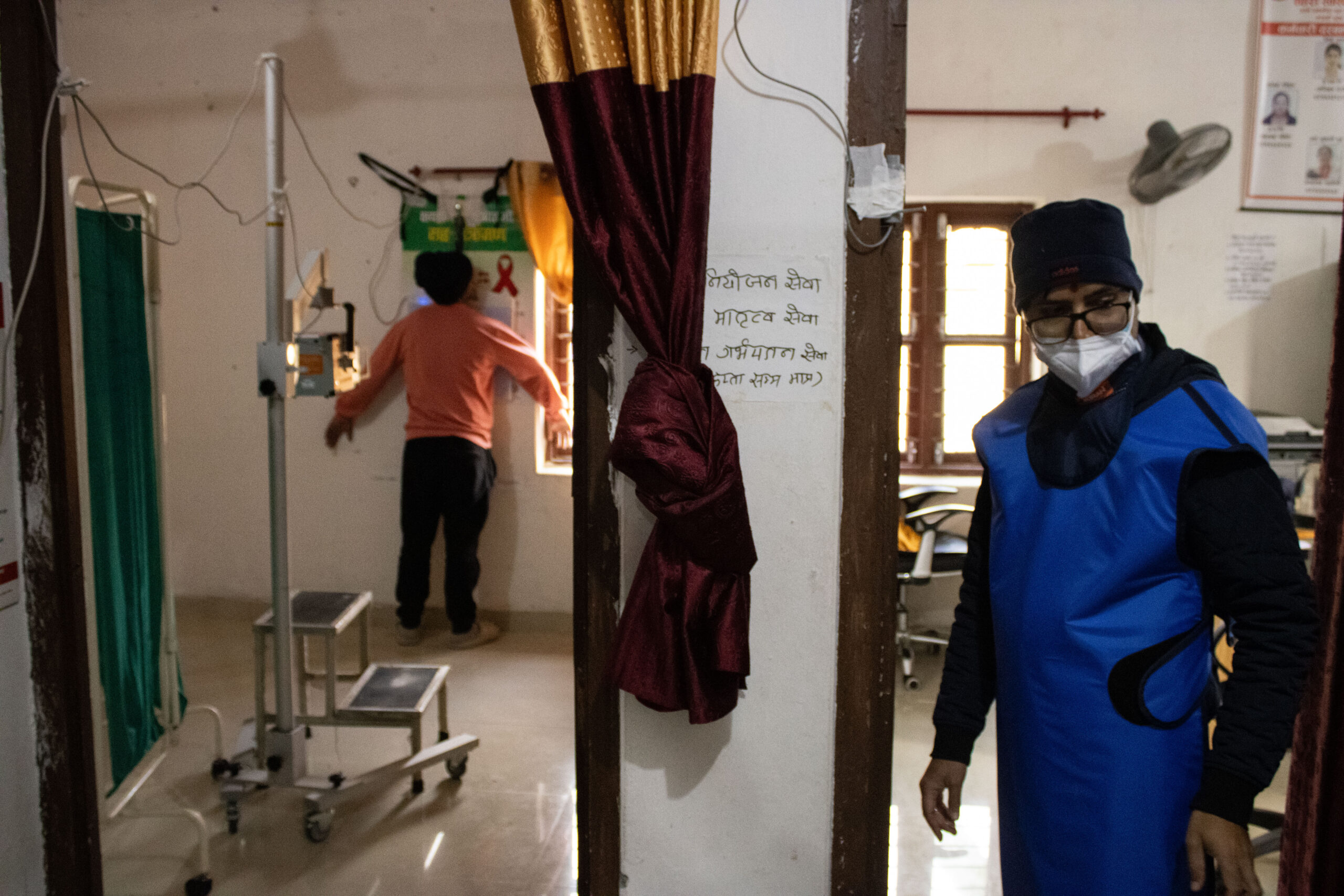
- Delft Light, our portable digital X-ray, for facility-based and community screening
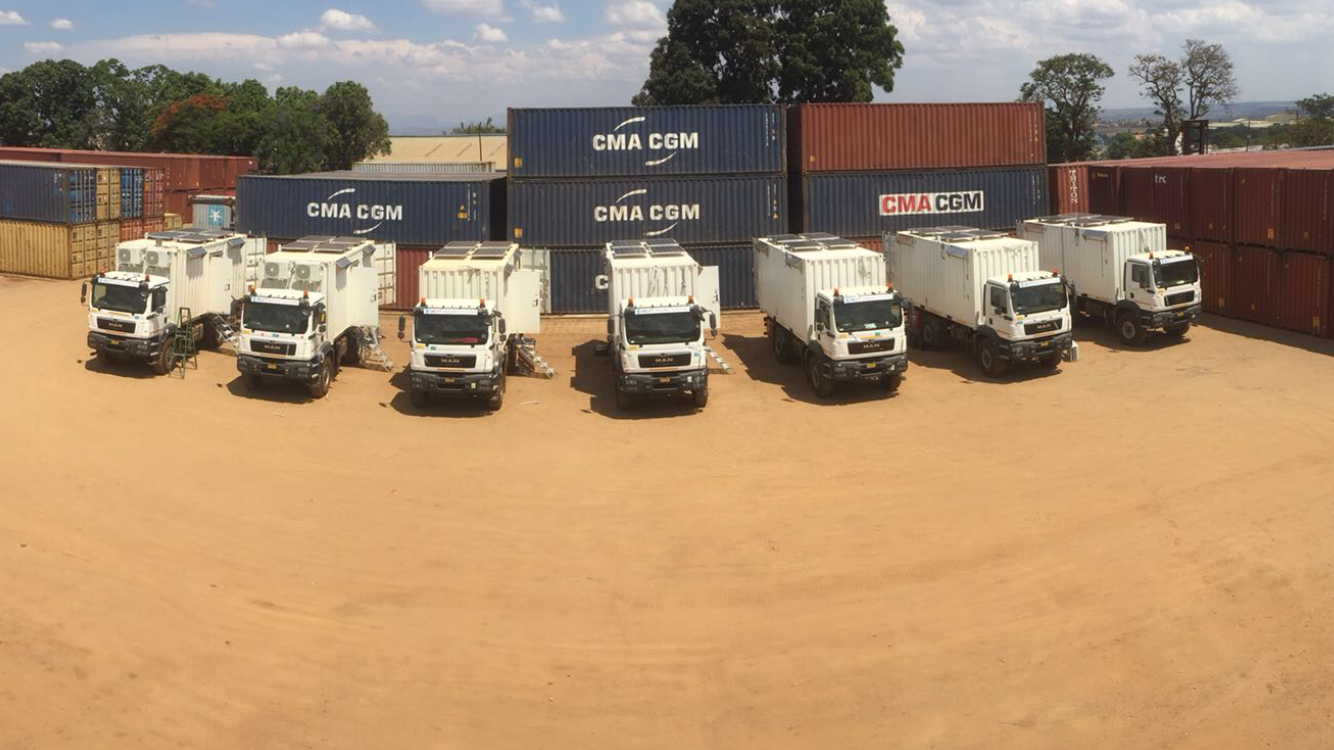
- Mobile OneStopTB Clinics for outreach in hard-to-reach areas
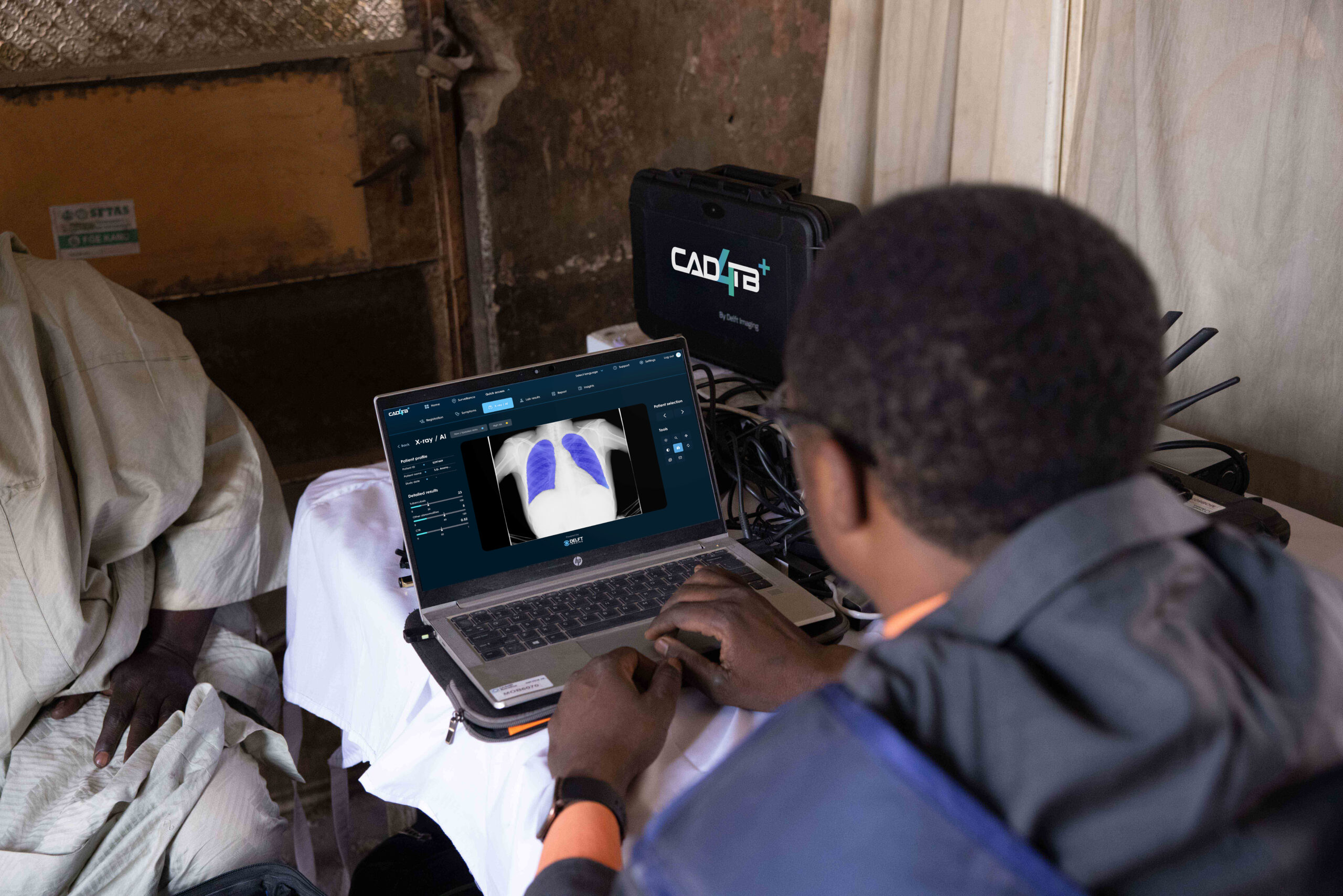
- CAD4TB for real-time triage
- GeneXpert testing for confirmatory diagnosis
- Same-day testing and treatment initiation where possible
This model helps screening teams identify people who need further testing based on chest X-ray results and CAD4TB scores. CAD4TB does not replace confirmatory testing. It supports triage by helping programs prioritize who should receive molecular testing.
This is especially important in outreach settings, where time, staff, transport, and laboratory capacity may be limited.
How mobile TB screening improves access
Mobile TB screening helps bring diagnostic services closer to communities that may not regularly access health facilities. In Uganda, mobile clinics and portable digital X-ray systems are used in high-burden districts, community outreaches, health facilities, and hotspots.
By early 2026, Uganda had deployed 65 Delft Light systems and 16 operational mobile clinics, including 11 new OneStopTB trucks launched in 2025. Additional Delft Light systems are also planned for delivery.
This scale-up has been supported by strong partnerships, including the Global Fund, Stop TB Partnership, the US government, and other partners.
For Dr. Luzze, the value of these systems is clear. “Most likely, we would have not reached these 8,000 people in communities if it was not for these systems.” It helps programs reach people who may otherwise remain outside the diagnostic pathway.
What results has Uganda achieved with digital X-ray and CAD4TB?
Between 2021 and 2025, Uganda screened 258,050 people using chest X-ray and CAD. Of these, 57,961 had abnormal chest X-ray results based on a CAD score above 30. The program confirmed 4,529 TB cases through molecular testing and clinically diagnosed another 3,532 people. In total, 8,061 people were diagnosed with TB and started on treatment.
These results show how digital X-ray and CAD4TB can support active case finding when integrated into a broader program model. The systems help identify people who need confirmatory testing, while mobile clinics and outreach activities bring screening closer to populations most at risk.
Uganda has also used this approach among people living with HIV. From January to March 2026, the program screened 6,861 people living with HIV using digital X-ray and CAD in chronic care clinics. The reported TB yield in this group was 11%, higher than the yield seen in general population screening.
How hotspot mapping makes TB screening more efficient
Sustainable TB screening depends on using resources where they can have the greatest impact. Uganda is applying data-driven hotspot mapping to guide outreach and improve deployment efficiency.
Rather than screening without a clear geographic focus, the program uses data to identify areas where TB transmission is more likely. Dr. Luzze explained that Uganda has mapped hotspots across its 145 districts and uses this information to decide where mobile clinics and screening teams should go.
As he noted, “Mobile clinics plus the data-driven hotspot mapping leads to efficient deployment.”
This approach helps programs use equipment, staff, vehicles, and testing capacity more effectively. It also supports targeted screening among people living with HIV, TB contacts, urban and peri-urban hotspot populations, prisoners, refugees, and other groups with higher TB risk.
During Uganda’s Community Awareness, Screening, Testing, and Treatment campaign in March 2026, mobile X-ray and CAD contributed 418 out of 1,243 bacteriologically confirmed TB cases. This represented 34% of all confirmed cases during the campaign.
What makes TB screening sustainable at national scale?
Uganda’s experience shows that sustainable screening requires more than equipment. It requires a full model that includes leadership, training, maintenance, data systems, confirmatory testing, partner support, and community trust.
Several lessons stood out from Dr. Luzze’s presentation. Portable digital X-ray and AI can work in both community and facility settings. Targeted screening among high-risk groups can produce higher yields. Mobile clinics and hotspot mapping can improve deployment efficiency. Community engagement is essential for uptake, especially where people have questions or concerns about radiation exposure.
Capacity building is also central. Uganda has used task-shifting to train clinicians and nurses to operate the systems, helping address shortages of radiologists and radiographers. This makes it easier to expand screening beyond large facilities and into outreach settings.
What makes TB screening sustainable at national scale?
Uganda’s experience shows that sustainable screening requires more than equipment. It requires a full model that includes leadership, training, maintenance, data systems, confirmatory testing, partner support, and community trust.
Portable digital X-ray and AI can work in both community and facility settings. Targeted screening among high-risk groups can produce higher yields. Mobile clinics and hotspot mapping can improve deployment efficiency. Community engagement is essential for uptake, especially where people have questions or concerns about radiation exposure.
Capacity building is also central. Uganda has used task-shifting to train clinicians and nurses to operate the systems, helping address shortages of radiologists and radiographers. This makes it easier to expand screening beyond large facilities and into outreach settings.
From deployment to long-term impact
Uganda’s journey shows how digital X-ray, CAD4TB, mobile clinics, and hotspot mapping can support a more targeted and sustainable active case finding.
The technology is important, but it works best when it is part of a larger program model. That model must include strong national leadership, trained health workers, community engagement, service support, and financing for long-term use.
As Dr. Luzze put it, “Uganda has moved from pilot deployment to the national scale-up sustainable screening for TB using the Delft Light, mobile clinics and CAD4TB.”
For national TB programmes, the lesson is practical: sustainable screening is not only about deploying solutions. It is about building systems that can reach people earlier, guide testing more efficiently, and bring TB services closer to the communities that need them most.
"Uganda has moved from pilot deployment to the national scale-up sustainable screening for TB using the Delft Light, mobile clinics and CAD4TB."
Dr Henry Luzze, Assistant Commissioner of Health Services, Ministry of Health, Uganda