
Discover the in’s and out’s of our solutions in a private demo

Uzbekistan
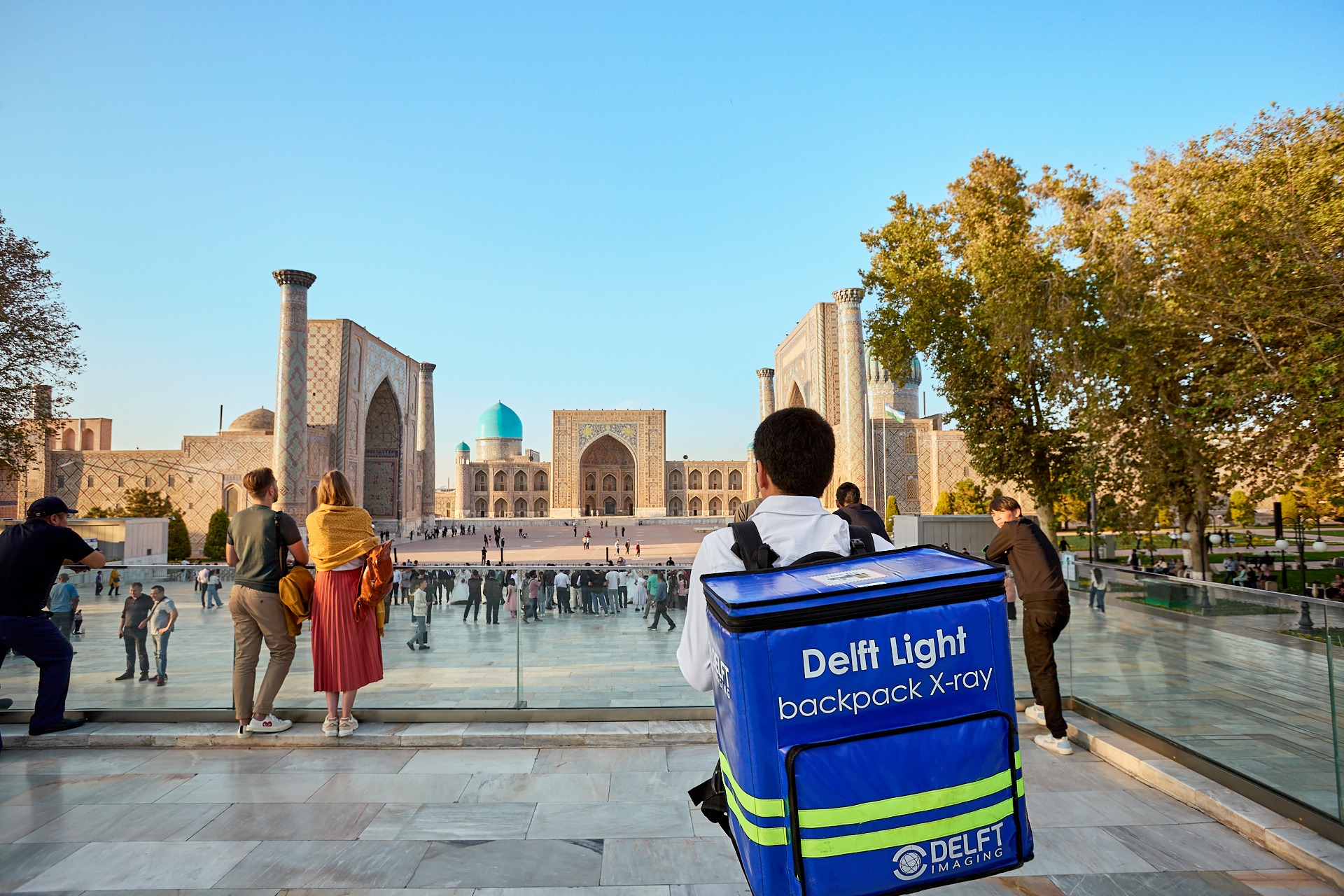
Uzbekistan continued to make progress against TB in 2024. Drug-resistant TB remained a significant challenge, although treatment success among affected patients increased to 86.9%. The country has expanded rapid molecular testing, shorter all-oral treatment regimens and mobile screening using ultra-portable X-ray systems with CAD4TB to improve access in high-risk and remote communities.
51 cases
per 100,000 people incidence rate
0.8 deaths per 100,000 people
mortality stabilizing
Our work in Uzbekistan
2021
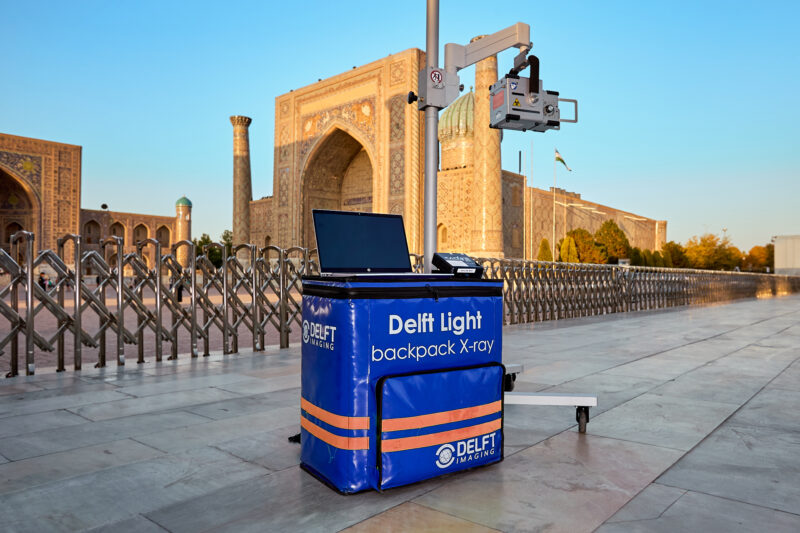
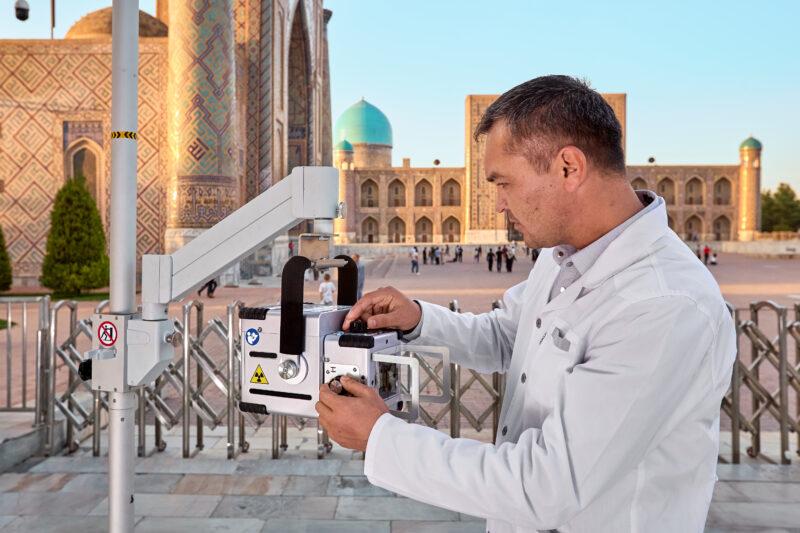
We delivered 2 Delft Light backpack X-ray systems with CAD4TB to the Ministry of Health, supporting TB screening among remote and vulnerable communities in the Tashkent region. This project was funded by USAID in coordination with the National Tuberculosis Program.
2023
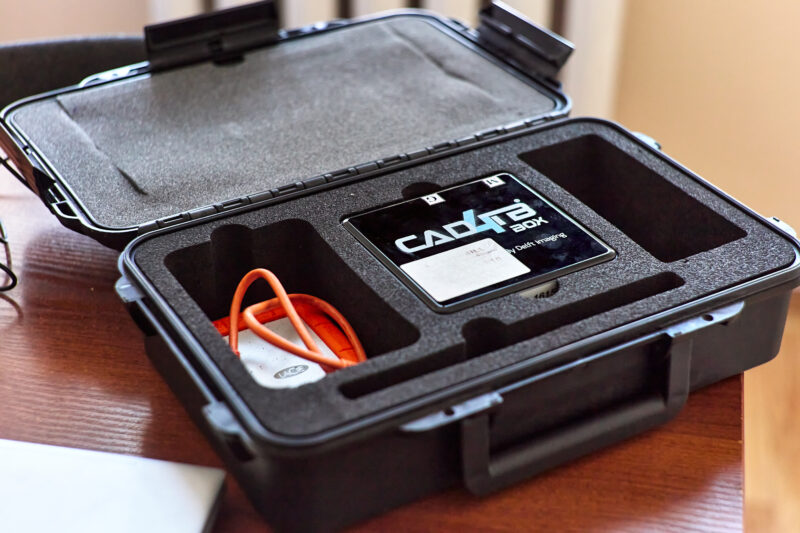
6 additional Delft Light systems with CAD4TB were provided to the Ministry of Health through UNDP to expand access across all regions.
2024
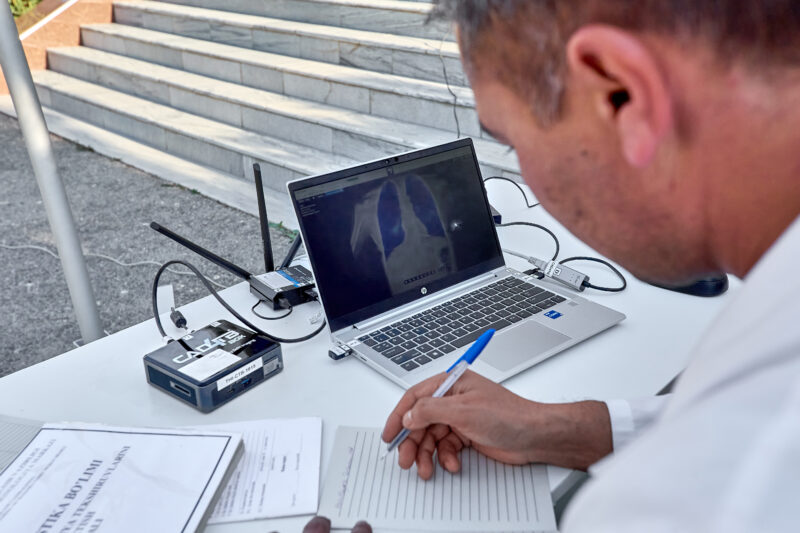
9 CAD4TB units were delivered to improve diagnostic reach and efficiency.
2025
The Ministry of Health received 14 more Delft Light systems via UNOPS to further strengthen nationwide TB screening efforts.
Making a difference in Uzbekistan
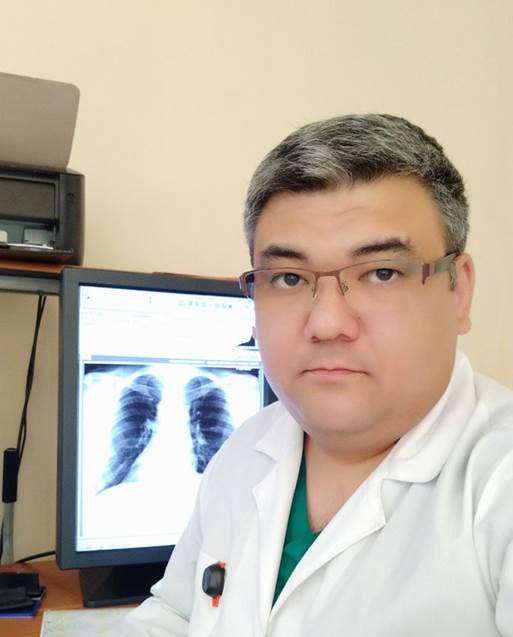
Dr Akamal Umarov
Leading Radiologist & National Coordinator (Ultraportable X-Ray implementation program), Republican Specialized Scientific-Practical Medical Center of Phthisiology & Pulmonology (MoH, Uzbekistan)
“Al helps simplify the activity of radiologists. At first, they were scared that we would probably lose our jobs, but then they understood that it would ease the performance and help us receive patients very quickly. Within 3-5 seconds, we can see to see focal lesions. It helps to have the heat map, which is very convenient for identifying his pathology and, of course, such parameters for us. It's convenient because we can print and collect this data and medical history.”
Tuberculosis remains a significant public health challenge in many parts of the world, including Uzbekistan. Despite advancements in healthcare technologies, accessing and implementing these solutions can be challenging, particularly in regions with logistical and infrastructural barriers. Delft Imaging has stepped up to address these challenges, bringing innovative health technology to the forefront of Uzbekistan’s battle against TB.
Connect with our representative in your country.
We work alongside Ministries of Health, implementing partners, and healthcare providers to ensure solutions are aligned with national strategies and local healthcare systems.

Mike Rosenmöller
- Review which solutions align with your programmatic and operational needs
- Explore partnership opportunities and long-term collaboration
- Address technical, clinical, and infrastructure considerations specific to your setting