AI-enabled chest X-ray reached 5,481 people in artisanal mining communities in Zimbabwe. Dr Manners Ncube shared what it took, and what has to happen next, at our latest Delft Imaging webinar.
A miner who works all day in Mberengwa or Zvishavane, two districts in Zimbabwe, will rarely find time to visit a clinic. So the CUFF-TB project took screening to the mines, and to the evenings.
In the recent Delft Webinar “Detect, Monitor, Map, Act: Field-Proven Solutions for Lung Health,” Dr Manners Ncube presented the lessons from the project: how screening was delivered, where the diagnostic pathway lost people, and what needs to be in place before a project like this can become part of the wider health system.
Taking screening to the mines, day and night
CUFF-TB focused on artisanal mining communities and the populations around them. The project ran in two of Zimbabwe’s 65 districts, across 25 mapped outreach sites, from August 2024 to March 2026.
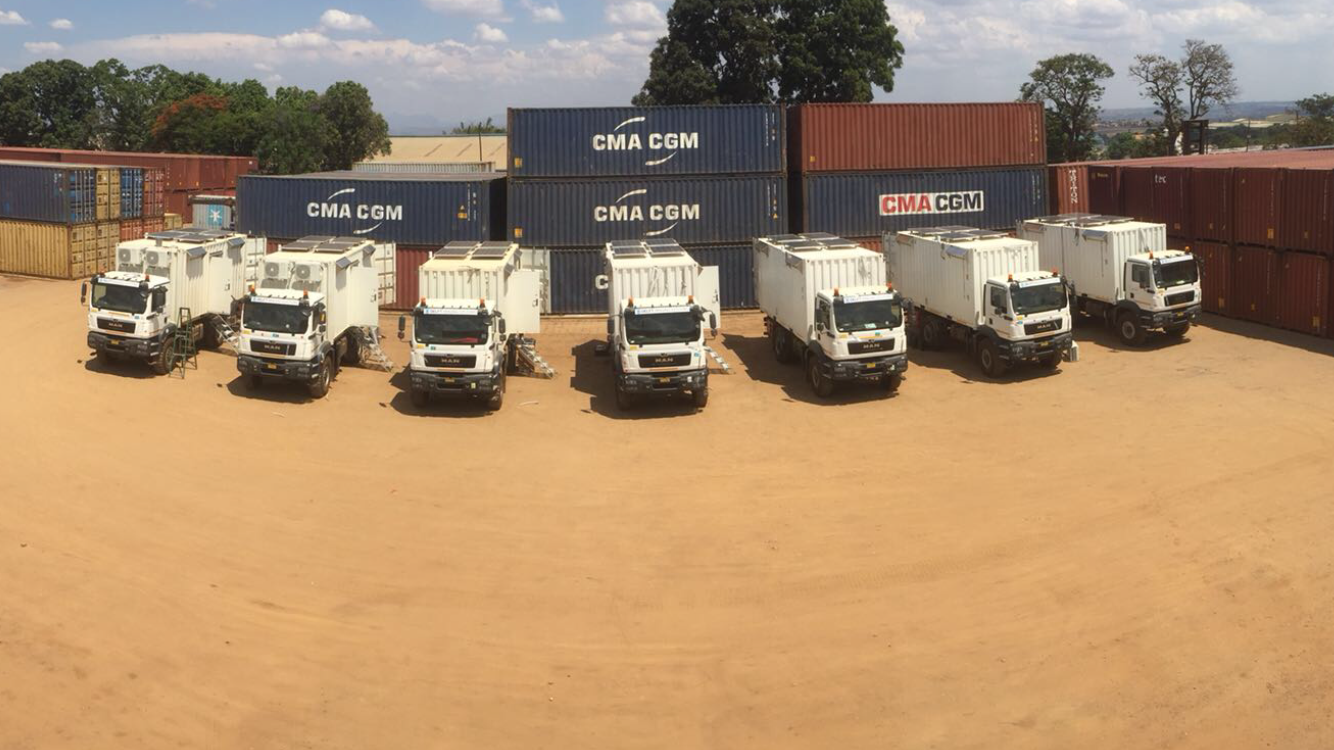
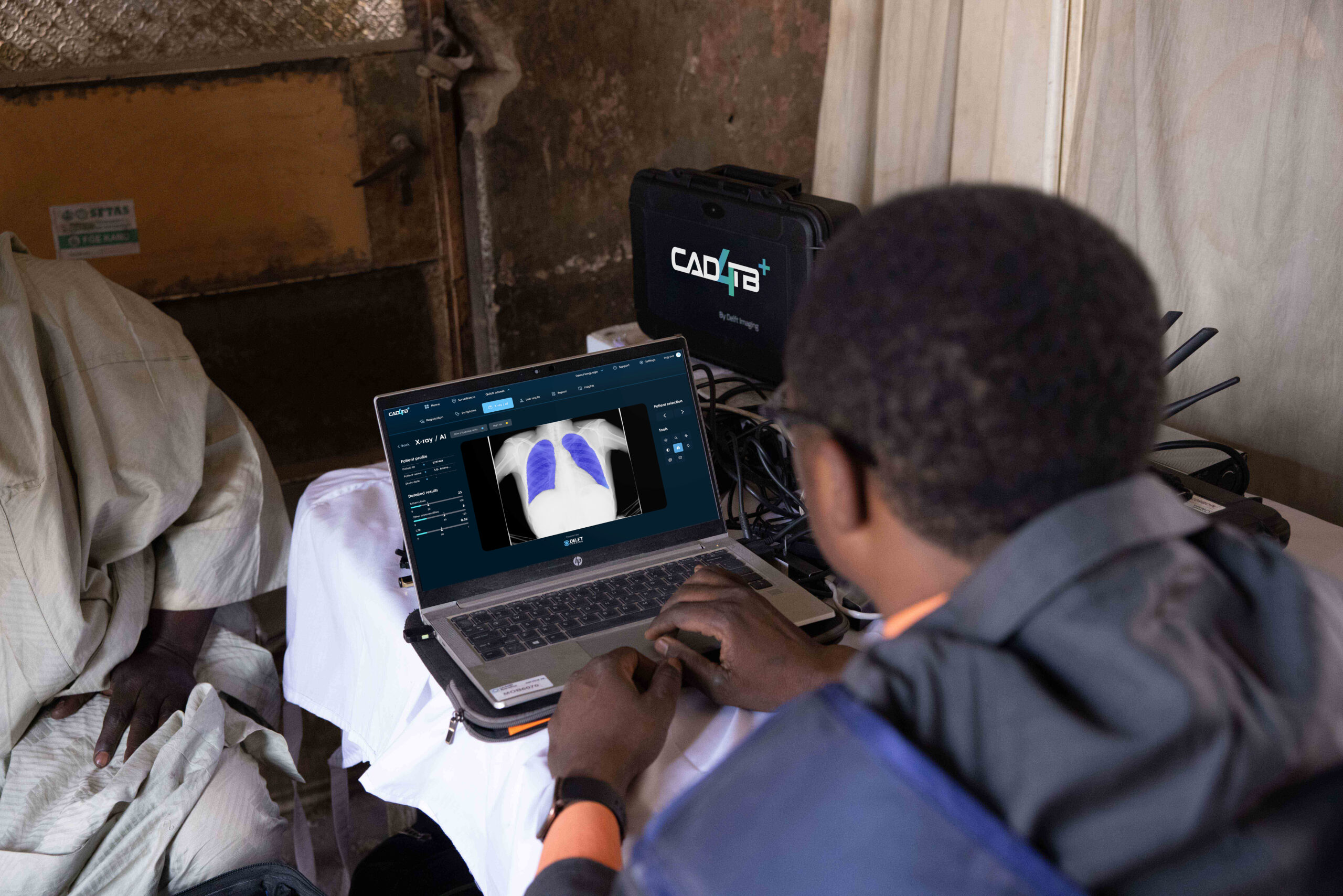
The model paired an AI-enabled portable chest X-ray, using CAD4TB computer-aided detection (CAD), with field-based Truenat testing. Screening was not limited to TB. Teams also assessed silicosis, nutrition and alcohol use, because communities face several health problems at once and outreach is a chance to address them together.
Timing mattered too. Alongside daytime screening at workplaces, teams ran evening “moonlight” outreach so that men working through the day could still be screened. In total, the project set up 52 workplace screening points and 22 moonlight points. Teams completed all 15 planned screening cycles and reached 74 of 75 planned screening points.
The pathway had four linked stages:
- Community entry: mobilization, registration and an integrated assessment.
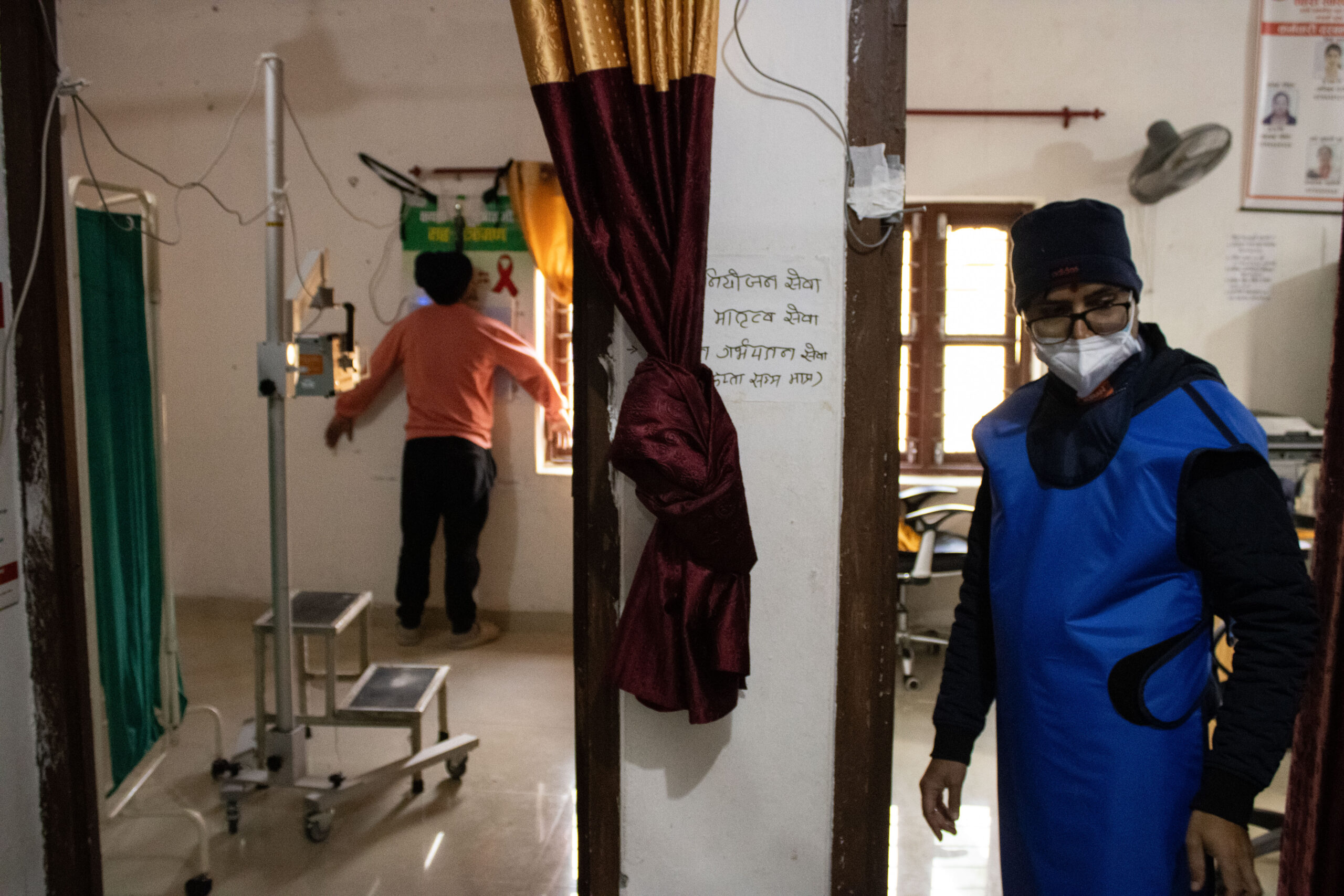
- Parallel screening: symptom screening alongside digital chest X-ray with CAD.
- Diagnostic evaluation: Truenat testing and clinical assessment.
- Linkage to care: treatment initiation and follow-up at the local health facility.
"Moonlight outreach was being used to make sure that those who are not able to access services during the day, especially males that are working, would then be able to also access services during off-work hours."
Dr. Manners Ncube, TB/HIV Officer, Ministry of Health and Child Care, Zimbabwe
What the numbers show
Uptake was high. Of 6,160 registered clients, 5,481 (89%) received a chest X-ray, and the screening identified more than 1,600 people with presumptive TB. From these, 107 TB diagnoses were made, and 88 treatment starts were recorded, which is 82% of those diagnosed.
Most diagnoses were clinical rather than bacteriological. Of the 107, about 84% were clinically diagnosed with a chest X-ray done, and 17 (16%) were bacteriologically confirmed.
The biggest gap sat in the middle of the pathway. Only 61% of presumptive clients submitted sputum, and the rate differed sharply between the two districts: 48% in Mberengwa against 84% in Zvishavane. Among those who did submit a sample, 92% had a result recorded. That makes sputum submission the biggest bottleneck, because confirmation depends on it.
“The main bottleneck in the cascade is getting sputum submitted, and it is critical for the purpose of confirming TB.” – Dr Manners Ncube
Clients also told the team what they wanted. In exit feedback, they asked for more services, particularly HIV and STI services, diabetes checks and blood pressure screening. At the same time, long queues remained a concern, a reminder that adding services means planning for staffing, workflow and waiting time.
“Any expansion of services in the future should therefore be considered alongside staffing and workflow and the time clients spend at the outreach point, so that we keep them motivated and the demand for the service is maintained.” – Dr Manners Ncube
"Technology on its own will not deliver the service, but they need to build that rapport with the community so that you get the necessary permission locally."
Dr Manners Ncube
Four lessons for national TB programs
Dr Ncube’s central message was that technology alone does not deliver the service. Turning CUFF-TB from a supported project into part of the health system needs four things.
- Community trust. Community health workers and mining peers mobilized their colleagues, and local agreements and administrative buy-in kept the fieldwork running smoothly. Schedules were built around workplaces and community activity, and campaigns adapted when weather and competing events got in the way.
- Local calibration and quality assurance. CAD4TB was used without local calibration during the project. Wider rollout needs locally calibrated thresholds, clinical review, refresher training and diagnostic quality assurance.
- Testing capacity that matches outreach. Laboratory throughput and specimen support must keep pace with the volume of people screened, so that more presumptive clients turn into submitted samples and confirmed results.
- A completed care pathway. Samples need to be tracked, results communicated and treatment starts verified. Teams are confident that people started treatment, but feedback on who had started was not always reaching them, so records need to show it objectively.
Behind all four sits district ownership: a costed service model, reliable connectivity and ongoing local oversight.
"We are confident that people started on treatment, but we need records that also speak to that and can objectively report what is happening on the ground."
Dr Manners Ncube
Screening is only the start
CUFF-TB shows that AI-enabled outreach is feasible in high-risk community settings. Its value, though, depends on what follows: completing the diagnostic evaluation and linking people to treatment. After all, the goal is to find people with TB and treat them.
"Screening should play its role, but it should connect to doing the rest of the cascade, to finding people with TB and treating them."
Dr. Manners Ncube, TB/HIV Officer, Ministry of Health and Child Care, Zimbabwe