At the 2025 Delft Imaging webinar “From Crisis to Care: Implementing TB Screening Programs in Challenging Operating Environments,” Dr. Clara De la Cruz, Technical Coordinator and Medical Doctor of the country’s National Tuberculosis Control Program shared how the Dominican Republic is strengthening TB detection among key populations, including incarcerated individuals and Haitian migrants, who account for a significant share of the country’s TB burden.
As the Technical Coordinator of the country’s National Tuberculosis Control Program, she emphasized that active case finding (ACF) is central to the national strategy. “We are an island of approximately 11 million inhabitants, which we share with the neighboring country of Haiti. One of our main commitments and strategic lines is aligned with, what are, the Sustainable Development Goals in their objective 3.3, which aims to end the epidemics of HIV, tuberculosis, and malaria,” she said.
Targeting Key and At-risk populations
The national TB program has prioritized groups with disproportionate TB burdens. As Dr. Cruz noted, “Our main key populations are incarcerated individuals, who represent 12% of the tuberculosis burden in the country, as well as Haitian migrants, with 14%. These key populations represent a greater burden of tuberculosis, in addition to risk groups such as people living with HIV, who account for 22% of the tuberculosis burden.”
Additional at-risk groups include residents of remote areas, individuals living in poverty, people with diabetes, healthcare workers, pregnant women, and household contacts of TB patients.
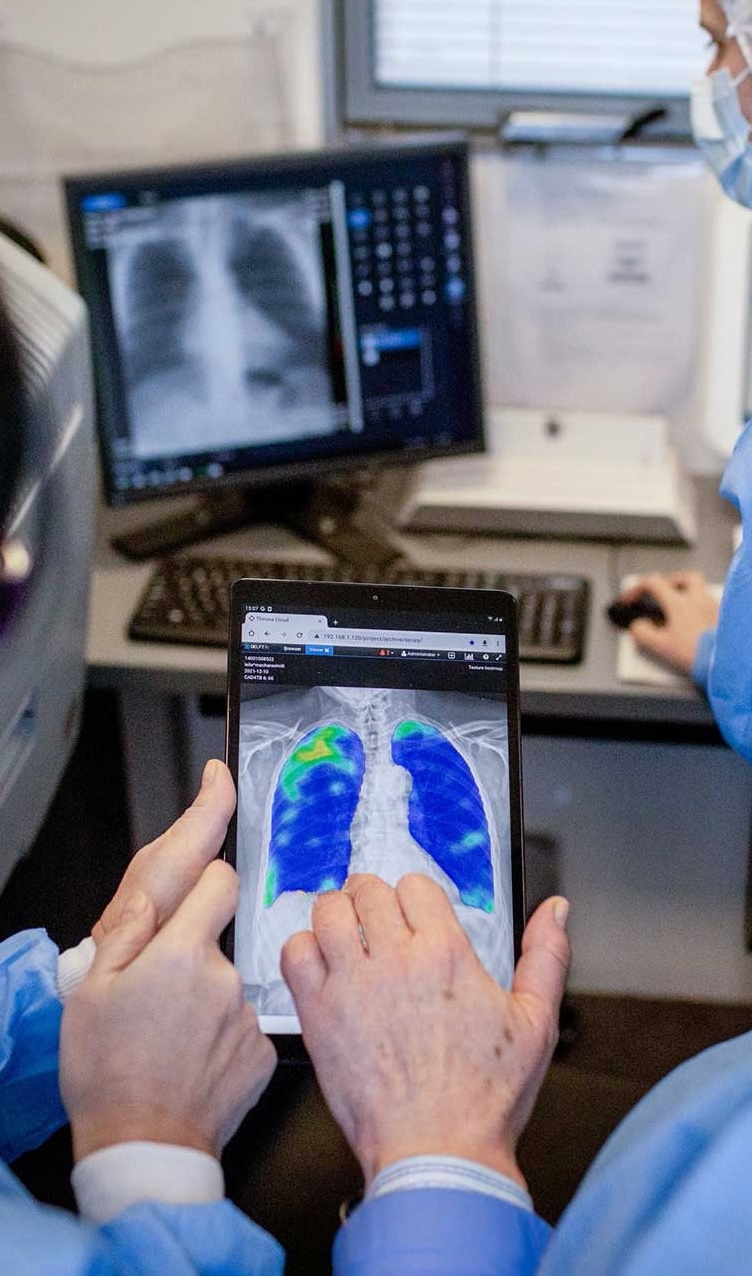
The Dominican Republic’s current TB incidence is 40 per 100,000 inhabitants, approaching the WHO’s estimate of 43. This convergence is largely credited to strong screening efforts. Dr Cruz stated, “We have been increasing case detection in these groups, and this is due to active case finding and all the interventions we have been carrying out since we implemented mobile units, and also in the last year when we were able to implement digital radiographs with the CAD4TB software.”
Deploying mobile diagnostic units and CAD4TB
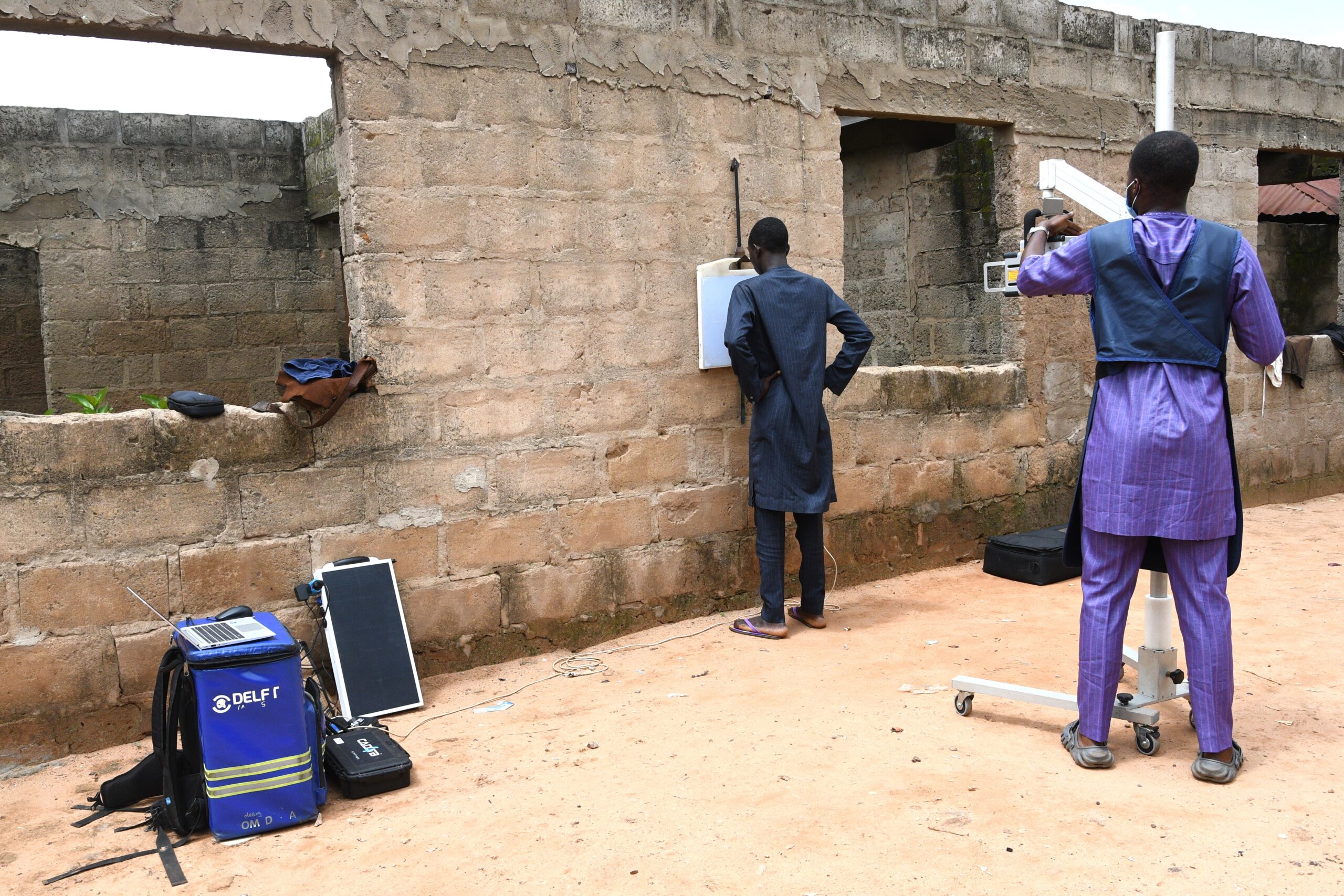
To bridge these barriers, the NTP introduced a structured strategy utilizing mobile X-ray units equipped with CAD4TB AI software. “The objective is to detect cases through mobile units in these hard-to-reach communities and also among incarcerated individuals, in order to bring health services closer and also to reduce detection gaps in these vulnerable populations.”
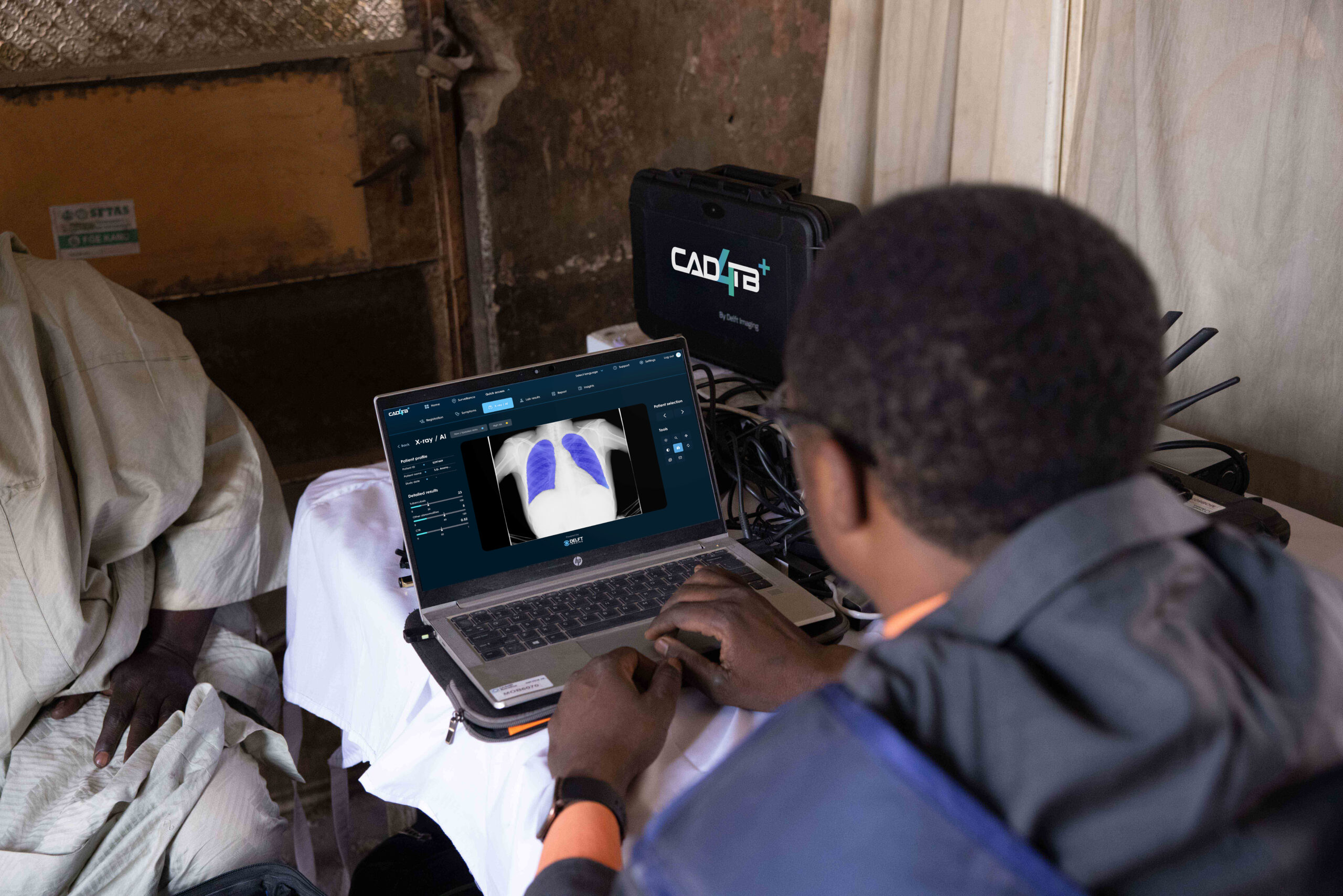
“The active search campaign with the mobile unit consists of a multidisciplinary group… Within this mobile unit, we have X-ray equipment, and we use the CAD4TB software. Currently, our score is at 60%, and the idea is to continue increasing coverage with this software, which greatly helps the doctor to establish whether it is tuberculosis or not,” she added.
This approach has significantly aided detection. “Approximately 50% of asymptomatic cases turn out to be suggestive of tuberculosis, specifically in incarcerated individuals.” These cases, initially missed due to a lack of symptoms, are flagged by AI, confirmed by radiologists, and then verified through sputum testing.
In 2024, more than 1,700 inmates were screened using this method. According to Dr. De la Cruz:
“All underwent X-rays using the CAD4TB software, and those who had respiratory symptoms also had rapid molecular samples taken…and of these, 18% were bacteriologically confirmed cases.”
Dr. De la Cruz
Future directions
Looking ahead, the Dominican Republic plans to expand its mobile diagnostic capabilities. By combining targeted outreach, innovative diagnostics, and data-informed strategies, the Dominican Republic is working toward narrowing TB detection gaps and reducing transmission in high-risk populations.
“For the next steps, we plan to continue expanding coverage, we want to acquire another mobile unit for this year and also mobile X-rays for next year… and continue using this CAD4TB software because it has allowed us to increase case detection in those cases that do not present obvious tuberculosis symptoms.”
Dr. De la Cruz