In remote and underserved communities, access to timely pregnancy assessment can shape the path of care for both mother and child. In Sierra Leone, the Ministry of Health has identified persistent challenges around late diagnosis of pregnancy conditions, limited access to imaging technologies, and referral delays, especially outside major health facilities.
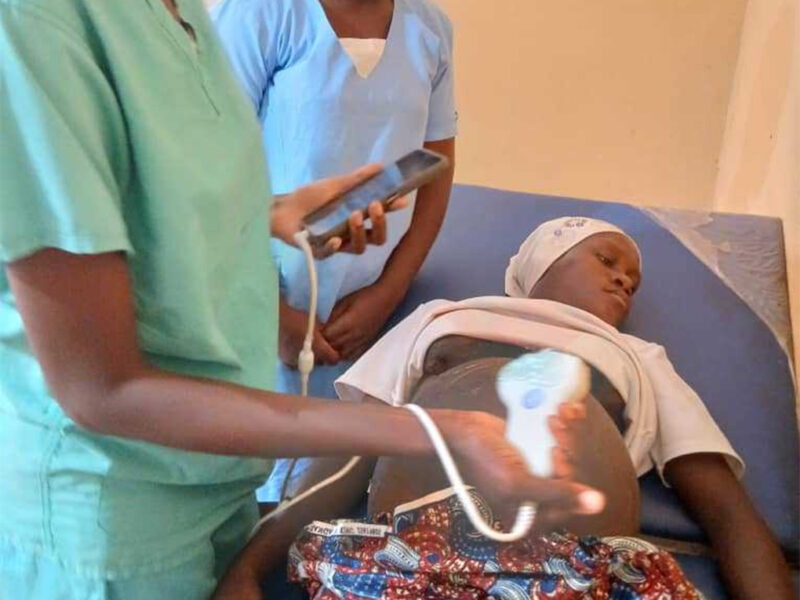
A recent Ministry of Health assessment report in 2026 reviewed the use of BabyChecker in selected facilities in Yele, Gbonkolenken Chiefdom, Tonkolili District. The assessment looked at BabyChecker’s role in antenatal care (ANC), including early detection of high-risk pregnancies, referral decisions, health worker usability, community acceptance, and the feasibility of broader implementation.
The findings are encouraging. According to the report, BabyChecker was introduced to “enhance ANC services” by supporting the early diagnosis of high-risk pregnancies at primary healthcare level.
Supporting earlier detection where it matters most
One of the strongest findings from the assessment is BabyChecker’s contribution to identifying risk earlier in pregnancy. The report states that BabyChecker has had a “positive impact on maternal health care services,” helping with “early detection and management” of pregnancy-related risk factors.
For primary health facilities, this matters. Earlier identification can support better decision-making, more appropriate referrals, and more timely care for women who may otherwise face delays due to distance, limited infrastructure, or lack of diagnostic services.
The report also notes that BabyChecker helps identify “high-risk pregnancies” and supports fetal monitoring. This aligns closely with the purpose of the solution: bringing practical diagnostic support closer to the point of care, especially in settings where ultrasound access is limited.
Strengthening referrals and continuity of care
The assessment also found that BabyChecker helped strengthen referral systems. The report describes “increasing frequency and timeliness of referral” for high-risk conditions, supported by improved communication between primary and secondary hospitals.
This is a critical point. Diagnostic access alone is not enough; it needs to connect to action. When frontline health workers can identify potential complications earlier, they can make more informed decisions about when and where to refer a patient. The report links this to “timely access to the right health care services,” which is the kind of practical, system-level impact that matters in maternal and newborn health.
Accepted by health workers and communities
For any health technology to work at scale, it needs to be usable in the real world. The Ministry’s assessment found strong acceptance among health workers. According to the report, healthcare workers showed “strong confidence using the device after training” and were able to perform scans with “minimal supervisions.”
The report also notes that BabyChecker has been “successfully integrated” into routine antenatal care. This is particularly relevant for low-resource settings, where solutions must work within existing workflows and support task-shifting to trained non-specialist providers.
Community response was also positive. The assessment found “increased trust in facilities offering Baby Checker services,” alongside higher ANC attendance and greater willingness among pregnant women to seek care early. The report concludes that BabyChecker improved the “perceived quality and credibility” of healthcare services.
Practical for low-resource and hard-to-reach settings
The assessment found BabyChecker to be well suited for rural and low-resource environments in Sierra Leone. The report states that it “requires minimal infrastructure” and can operate without continuous internet or electricity.
That operational feasibility is essential. In many communities, infrastructure limitations are not temporary barriers; they are part of the daily context of care. Solutions designed for these settings must be reliable, practical, and adaptable to local realities.
The report also connects BabyChecker to increased uptake of ANC services and facility-based deliveries, especially in hard-to-reach and underserved communities. This suggests that access to basic diagnostic support can do more than inform clinical decisions; it can also help build confidence in local health services.
A strong foundation for scale-up
The assessment is also clear about the work still needed. Not all facilities in Gbonkolenken Chiefdom currently have BabyChecker devices, and some facilities borrow devices from nearby centers. The report also identifies challenges related to connectivity, charging, documentation, data integration, staff shortages, and ambulance availability.
These findings show that scaling BabyChecker is not only about providing devices, but also about strengthening the surrounding system: power access, data capture, referral pathways, training, and service availability.
Even with these challenges, the overall conclusion is positive. The report states that BabyChecker has “added immense value” to antenatal care service delivery and contributed to improved confidence among health workers and the community.
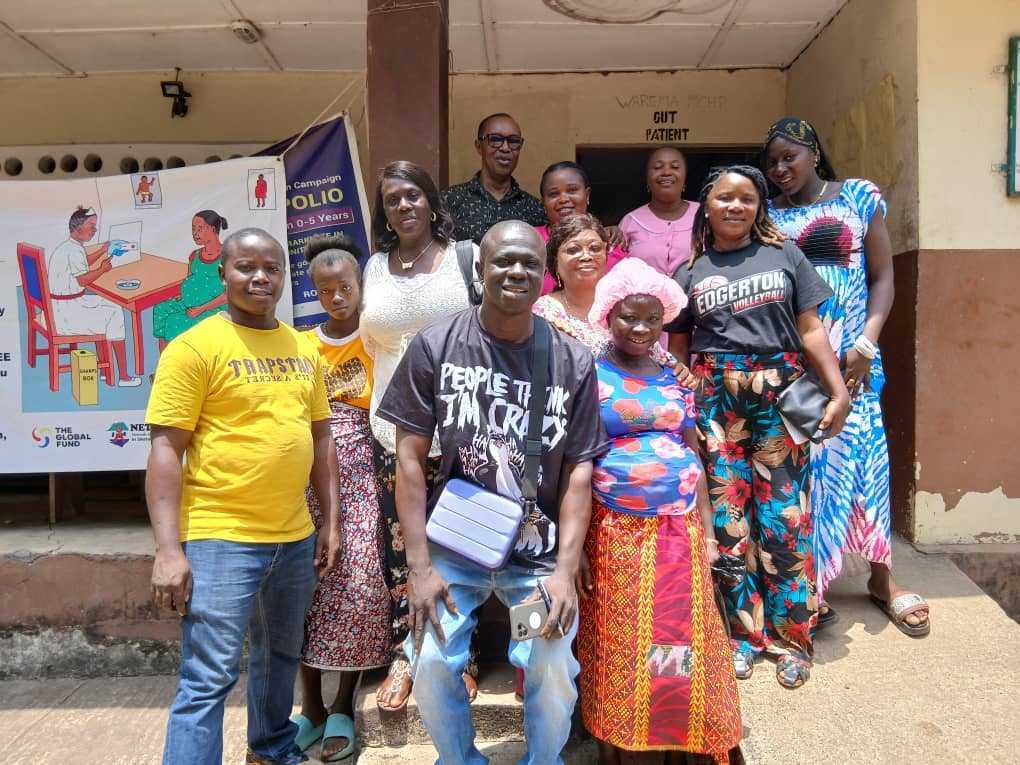
Dr. Sattu Issa, Program Manager, speaking on behalf of the Ministry of Health, described the outcomes as “highly encouraging,” with “strong evidence” of BabyChecker’s potential to improve maternal and neonatal health services.
This assessment reflects what we aim to support: practical, field-ready solutions that help strengthen healthcare systems where access is limited. BabyChecker is designed for the realities of frontline care, helping providers act earlier, refer more effectively, and bring essential pregnancy assessment closer to the communities that need it most.