To eradicate TB, it is critical to ensure TB screening in marginalized and remote sections of the nation.
2019
The OneStopTB Clinics (called Wow trucks in Nigeria) enrolled more than 45000 people from rural and suburban community settings. These include motor parks, markets, health facilities and mosques in 16 local government areas within the Kano State. In addition to 920 new cases, 3,380 clients were presumptive of TB. While 31 cases were drug-resistant TB, 889 were drug-susceptible TB with a linkage to treatment rate of 97 %.
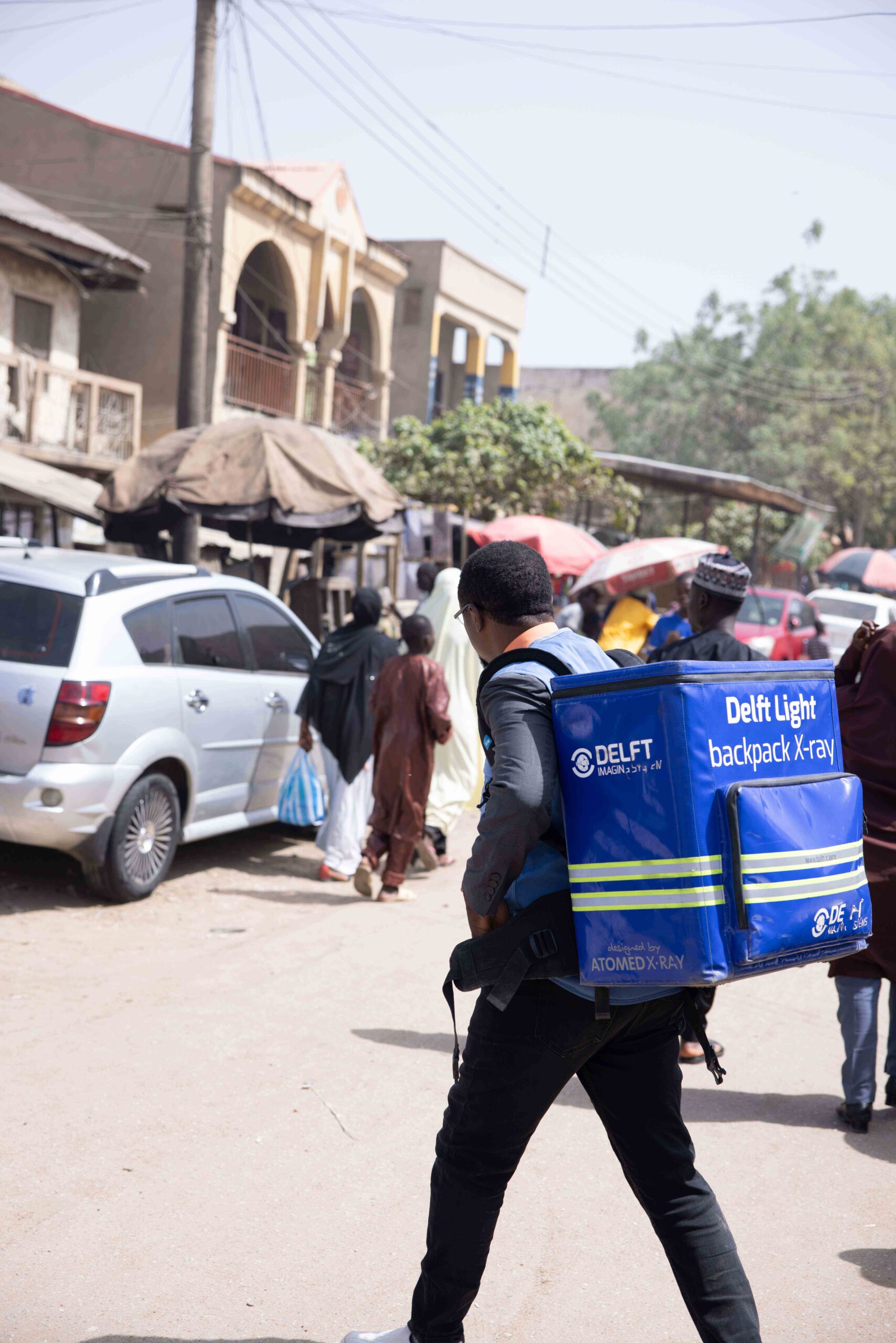
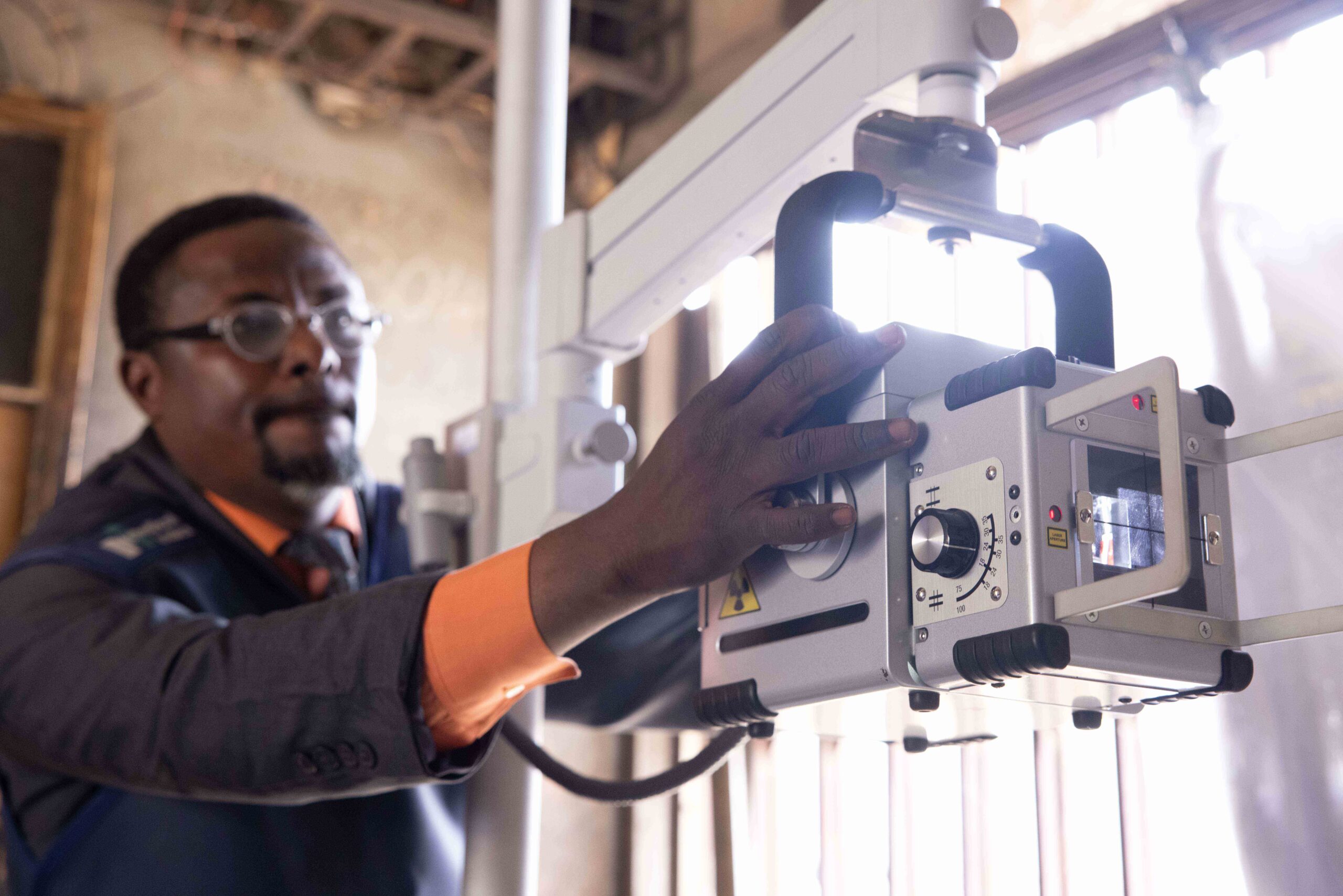
KNCV Nigeria used the Delft Light for active TB case findings in communities living in the hard-to-reach Delta Region. Within four months, more than 6000 adults and children (ages 4+) were enrolled. Of the 6218 people whom Delft Light, with CAD4TB, screened, 778 presumptive TB and 757 cases were found. These were then further evaluated by Xperts. The program found 70 cases diagnosed with TB. A study found that Number Needed to Screen (NNS) with this approach was more effective than the intervention with the Wow mobile clinics, particularly among the hard-to-reach populations in rural areas.
2022
In the 2022 Union Conference on Lung Health, the KNCV Foundation in Nigeria extensively shared the results of their projects:
Their studies discussed the importance of Wellness on Wheels mobile TB clinics (WoW) and Delft Light played in the increased use of digital X-ray with CAD for active TB case-finding. While their screening efficiency was found similar, their impact, however, was different. The approach with Delft Light led to a higher clinical diagnosis and the WoW clinic had more impactful advocacy.
One of their studies compared various TB case-finding interventions and assessed their numbers needed to screen (%NNS) and test (%NNT). It was found that the portable digital X-ray with AI and a real-time referring/reporting digital platform has shown the best yields in a resource-limited setting.
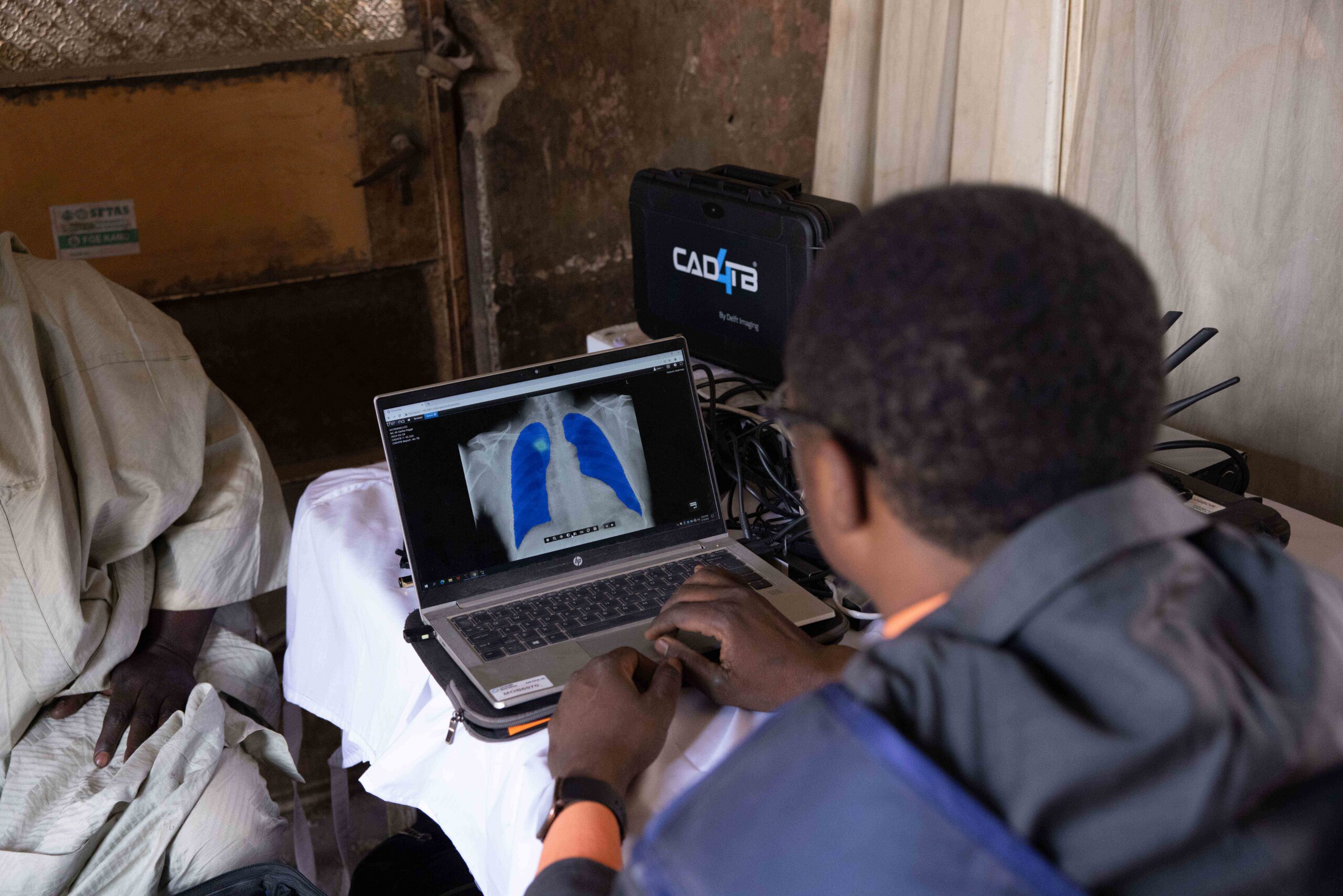
Another study compared various TB case-finding approaches. It concluded that TB screening using CXR-CAD showed a higher screening yield than the WHO 4-symptom screen. Also, CXR-CAD combined with the WHO 4-symptom screen and GeneXpert as a single diagnostic algorithm yield TB far superior to CXR and GeneXpert alone.
A study exploring the use of artificial intelligence software-aided chest X-ray screening for community active case-finding in Kano, Nigeria, showed the added value of using CXR screening with CAD compared to WHO symptom screen for an efficient community active TB case-finding intervention in Kano state, Nigeria.
Studying the interim result of AI-powered portable CXR in boosting TB case-finding in Katsina State, Nigeria, it was found that the use of Delft Light with CAD4TB at prisons and marginalized communities led to increased TB case notifications. It also doubled case contribution at prisons.
A comparison of yield from symptomatic W4SS screening and mass mobile X-ray in schoolchildren in Lagos, Nigeria concluded that active case-finding based on CXR with CAD was preferable as the yield was better than 4-symptom screening.
Similarly, a study exploring the potential of existing artificial intelligence to improve TB case-finding at the Nigeria Correctional Centre Lafia, Nasarawa State, north- central Nigeria, concludes that the use of digital X-rays with CAD4TB to improve TB screening of most at-risk populations can be efficient in finding missing TB cases, especially in high TB burden countries.
2023
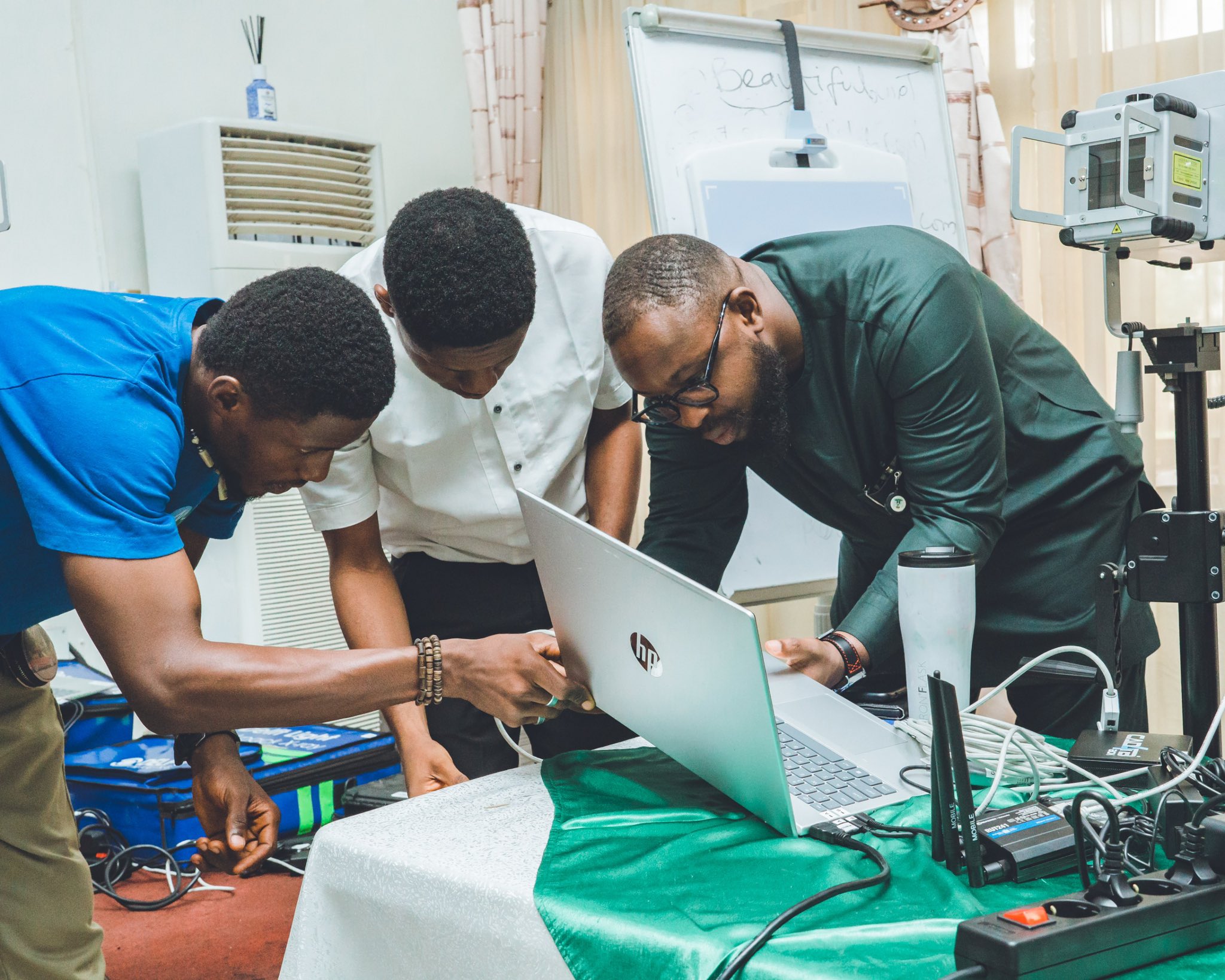
A Stop TB Partnership Report detailed the implementation of Delft Light and CAD4TB software in Nigeria. As part of the introducing New Tools Project (iNTP), supported by USAID, Institute of Human Virology Nigeria (IHVN) and KNCV deployed 10 Delft Light with CAD4TB software across eight states, facilitating TB screening in remote areas and among high-risk populations. It has significantly improved case detection rates, with over 130,000 individuals been screened so far, of which 10% were detected with abnormal CXR, and 3,200+ diagnosed with TB through this intervention.
KNCV’s Executive Director, Dr. Bethrand Odume, also spoke about CAD4TB in an interview in 2023. He spoke how portable x-ray systems with CAD4TB has not only contributed to advancing TB screening, but has also reduced the cost of x-rays, minimised transportation time and expenses incurred by patients, thus significantly enhancing access to TB services.
2024
In the beginning of the year, a study evaluated the Wellness on Wheels for TB improves efficiency, yield, and outcomes in Nigeria. The mobile TB clinic combines digital chest radiography with computer-aided automated detection (CAD) and chronic cough screening to identify presumptive TB cases among high-risk populations in communities, health facilities, and prisons.
The study lauded the “Wellness on Wheels” (WoW) for its efficiency and the effectiveness of its team, noting significant operational improvements and high engagement from all involved. Specifically, it mentions the evolution of operations in real-time to address issues, and incremental improvements in client volumes, target group inclusion, on-site testing, TB treatment initiation, and TB treatment success. These findings suggested that “the return on investment from CAD may be doubled by following up clients with high CAD scores and/or provision of an early intervention regimen or vaccine.”
2025
Released by KNCV Nigeria, a newly published study assessed the use of ultra-portable digital X-ray (UPDX) systems integrated with CAD4TB software for active case finding across eight Nigerian states.
Between January and September 2022, over 94,000 individuals aged 4 years and above were screened. The study reported a 10 percent TB confirmation rate, with notable detection of subclinical TB – including 3.4 percent of confirmed cases showing no symptoms. Notably, over half of the patients received same-day diagnosis, and more than a third began treatment the same day, underscoring the efficiency of the intervention.
These findings reinforce the value of deploying portable, AI-supported screening tools in hard-to-reach settings and demonstrate the importance of CAD threshold adjustments for both pediatric and adult populations.