
Discover the in’s and out’s of our solutions in a private demo

Vietnam
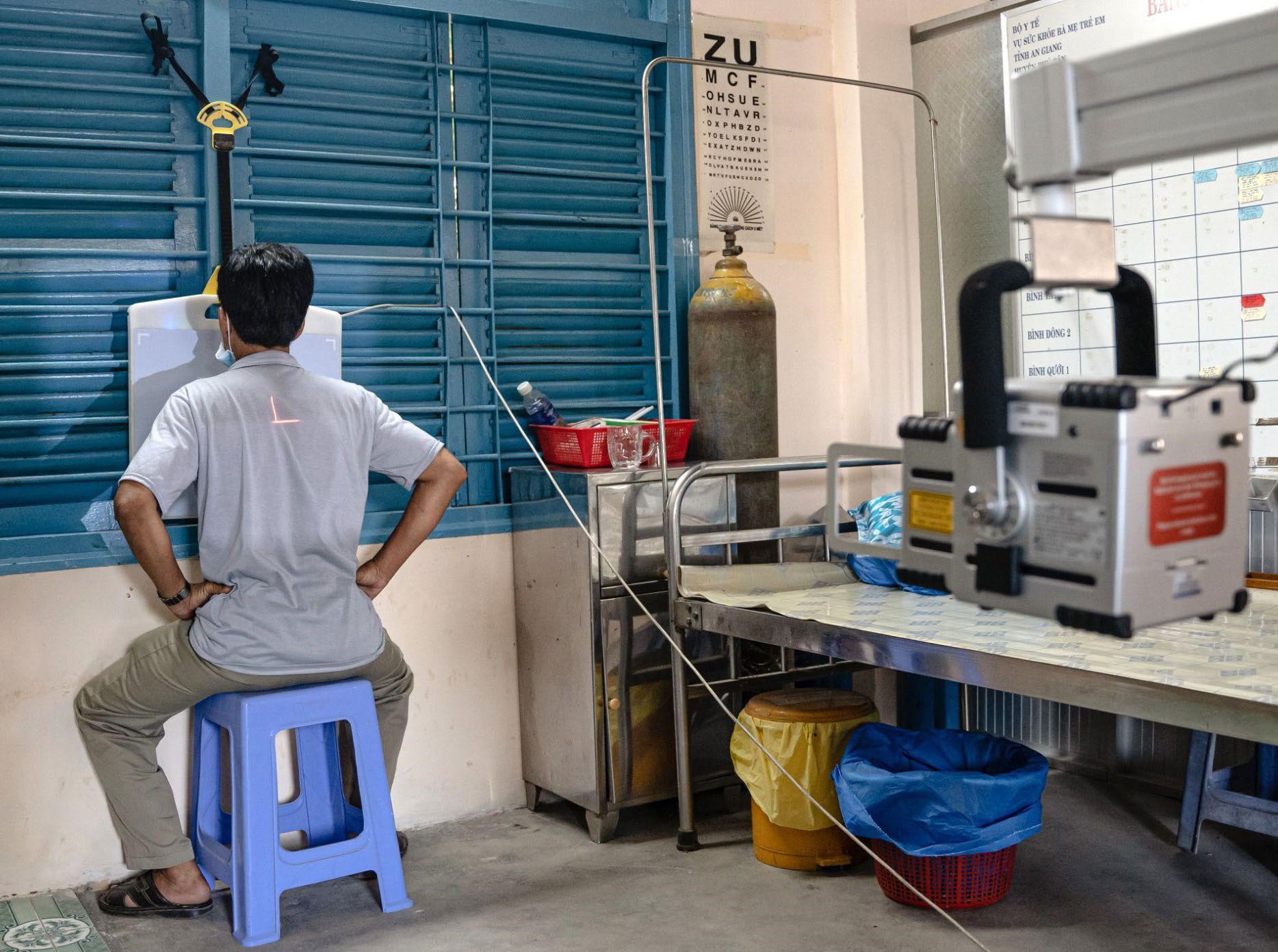
Tuberculosis remains a major public health challenge in Viet Nam, with ongoing gaps in diagnosis and linkage to care. Drug-resistant TB continues to require focused attention, with over 9,900 cases reported, while more than 4,600 people are affected by TB-HIV co-infection, underscoring the need for strengthened screening and integrated care.
182K
people developing TB
77K+
people remain missing from TB care
13K
people died of the disease
Our work in Vietnam
2017
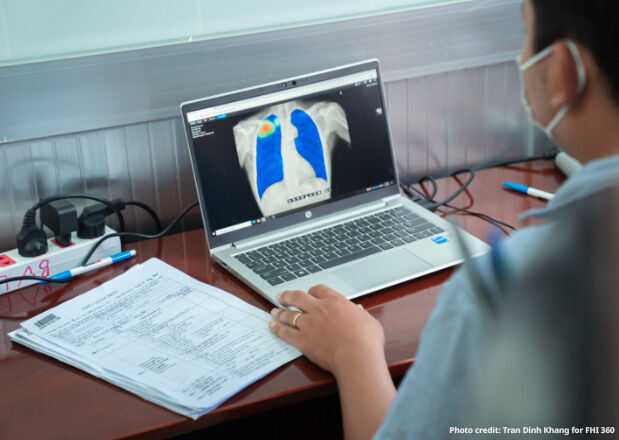
Friends for International Tuberculosis Relief (FIT) received 2 CAD4TB solutions for research use.
2020
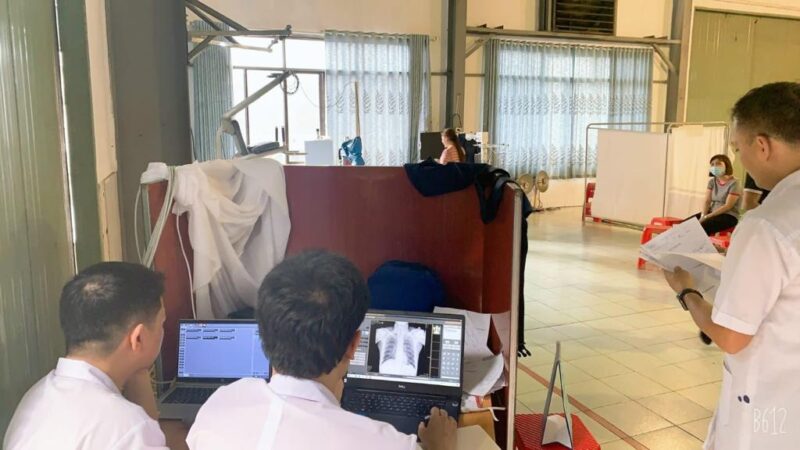
This was followed by the delivery of 2 more CAD4TB systems to support ongoing research initiatives.
2020
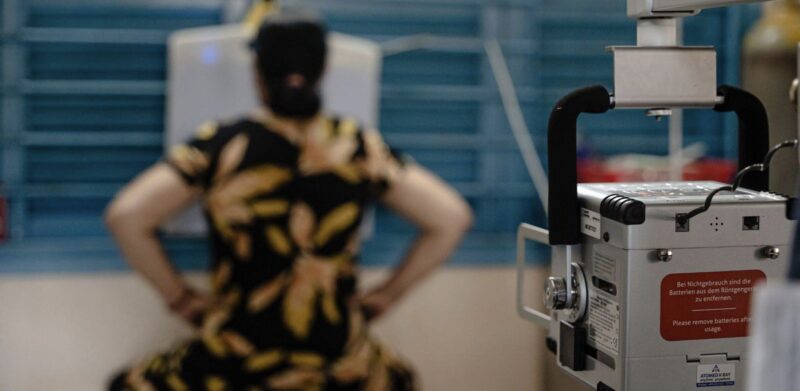
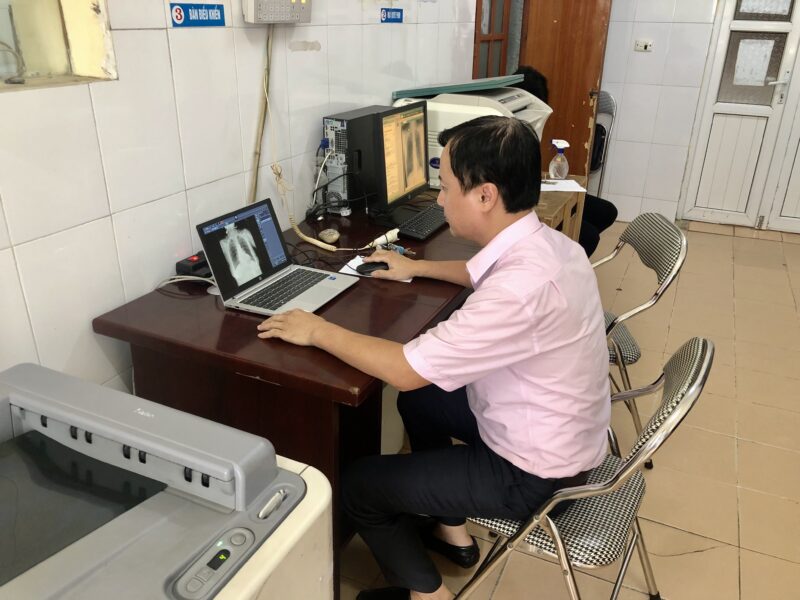
Under the iNTP project, funded by USAID and supported by the Stop TB Partnership, we delivered 10 Delft Light X-ray systems, each equipped with CAD4TB, to the National Lung Hospital.
2023
2 university hospitals were equipped with 2 CAD4TB to accelerate TB detection within their facilities. These deployments also included training and support to integrate the systems into daily operations.
Making a difference in Vietnam
Webinar
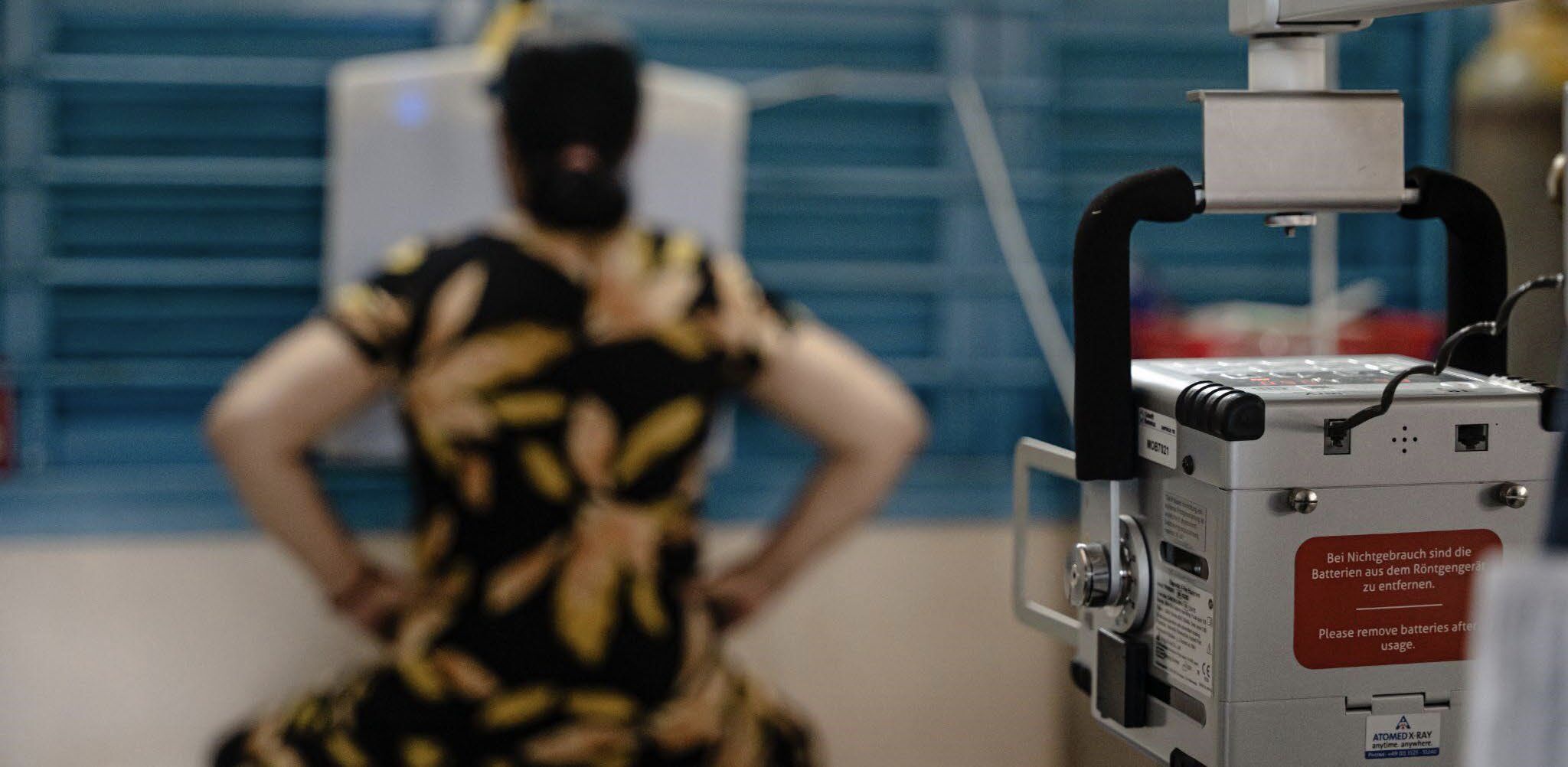
Delft Light Portable X-ray and CAD4TB: Opportunities and Challenges – Vietnam’s Implementation of the New Tools Project’
Watch webinarConnect with our representative in your country.
We work alongside Ministries of Health, implementing partners, and healthcare providers to ensure solutions are aligned with national strategies and local healthcare systems.

Mike Rosenmöller
- Review which solutions align with your programmatic and operational needs
- Explore partnership opportunities and long-term collaboration
- Address technical, clinical, and infrastructure considerations specific to your setting