
Discover the in’s and out’s of our solutions in a private demo
Syria
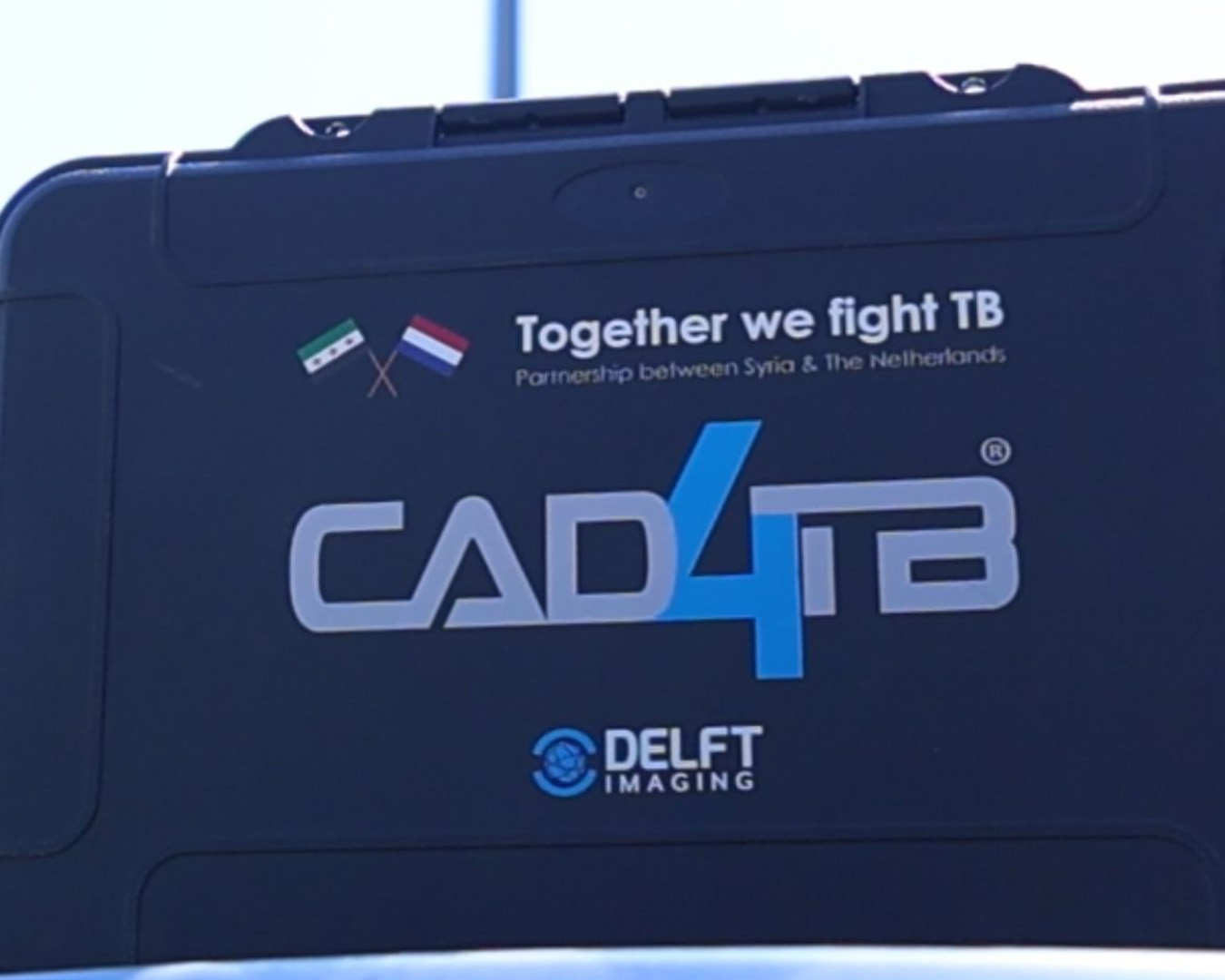
Syria’s ongoing humanitarian crisis continues to place immense pressure on its health infrastructure, complicating efforts to detect and treat tuberculosis.
4,000 people
developed TB in 2023
32 people
losing their lives to the disease
600 individuals
remained undiagnosed or unreported
2021
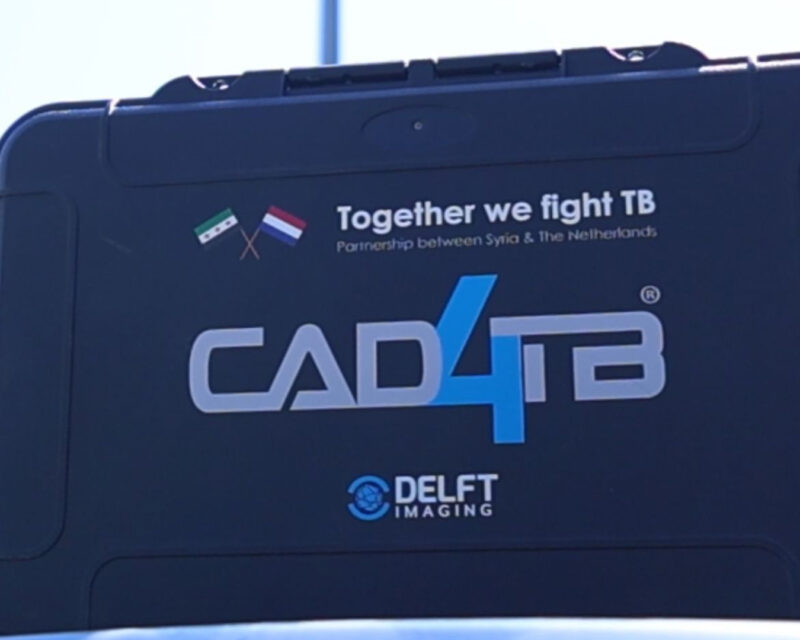
We delivered a CAD4TB to IOM. Later that year, we participated in the Global Fund–funded Middle East Response (MER) initiative, delivering 24 CAD4TB systems and Delft Light portable X-ray units for use in Syria, as well as Lebanon, Jordan, Iraq, and Yemen.
2023
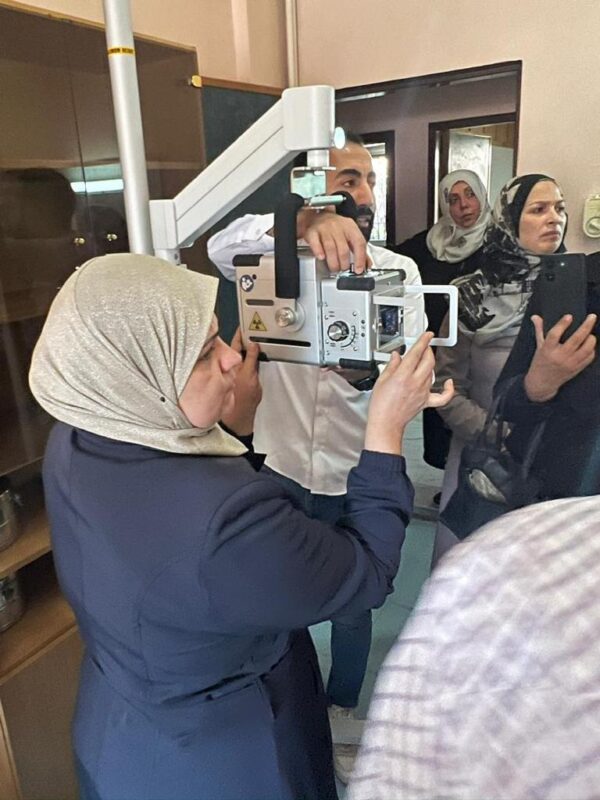
We delivered 6 Delft Light backpack X-ray systems and accompanying CAD4TB software to IOM to support TB screening in remote parts of Syria. These solutions have helped extend diagnostic services to areas with limited infrastructure, contributing to earlier detection and timely treatment.
In 2024, Syria’s News channel reported how the Aleppo Health Directorate is using CAD4TB with GeneXpert at the Al-Maasaraniyah’s TB Control Center. This is the first AI solution in the country’s healthcare sector. Both, Aleppo’s Health Director and the Head of the TB Control Centre discussed the impact of adopting new diagnostic technologies for TB detection and diagnosis in the country.
Connect with our representative in your country.
We work alongside Ministries of Health, implementing partners, and healthcare providers to ensure solutions are aligned with national strategies and local healthcare systems.

Mohammed Harbiye
- Review which solutions align with your programmatic and operational needs
- Explore partnership opportunities and long-term collaboration
- Address technical, clinical, and infrastructure considerations specific to your setting