
Discover the in’s and out’s of our solutions in a private demo

Sierra Leone
How long-term collaboration with national and clinical partners enabled AI-supported imaging solutions to strengthen TB screening and early maternal risk detection in Sierra Leone.
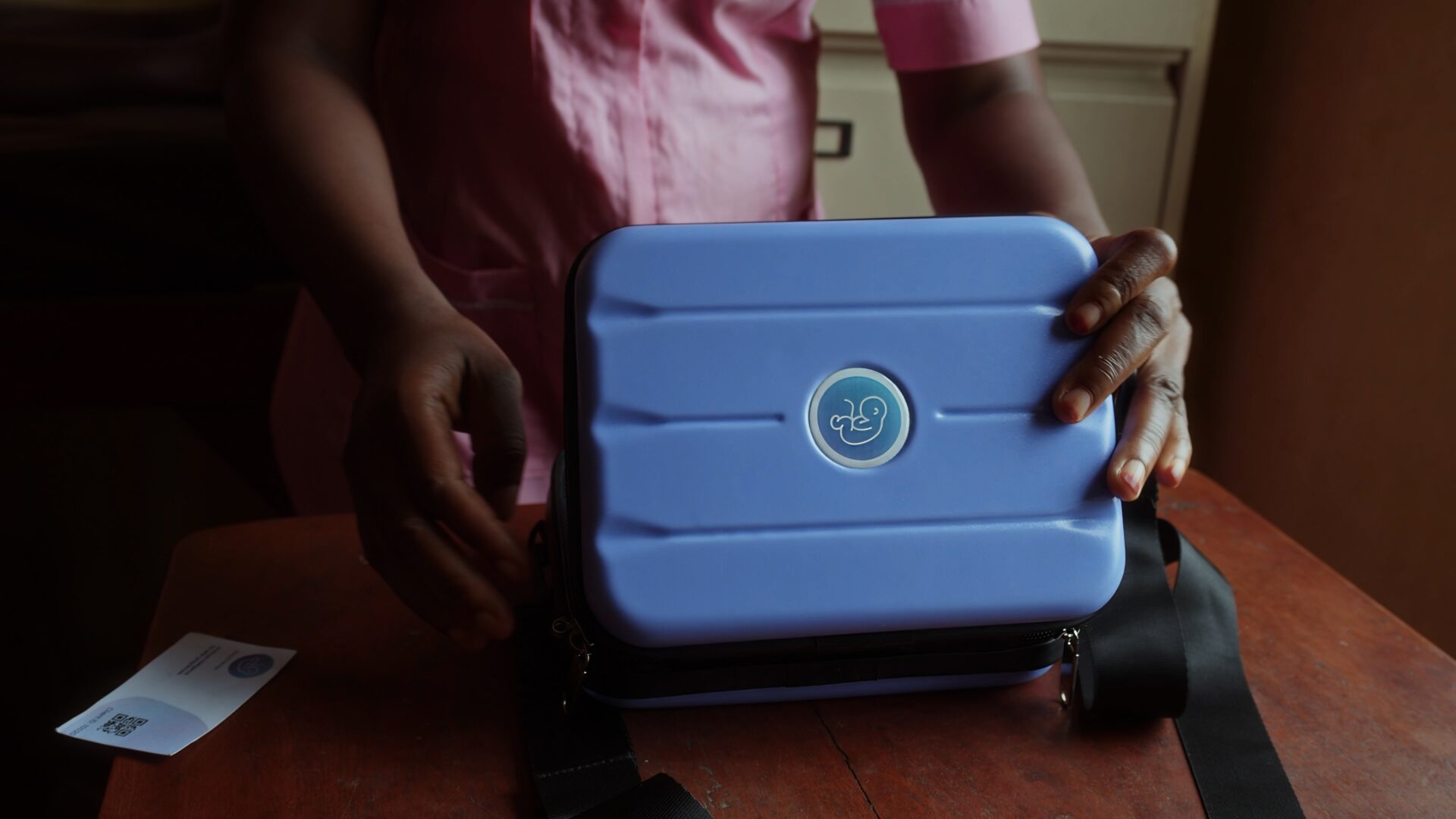
Sierra Leone’s battles for equity in health,
with Delft Imaging
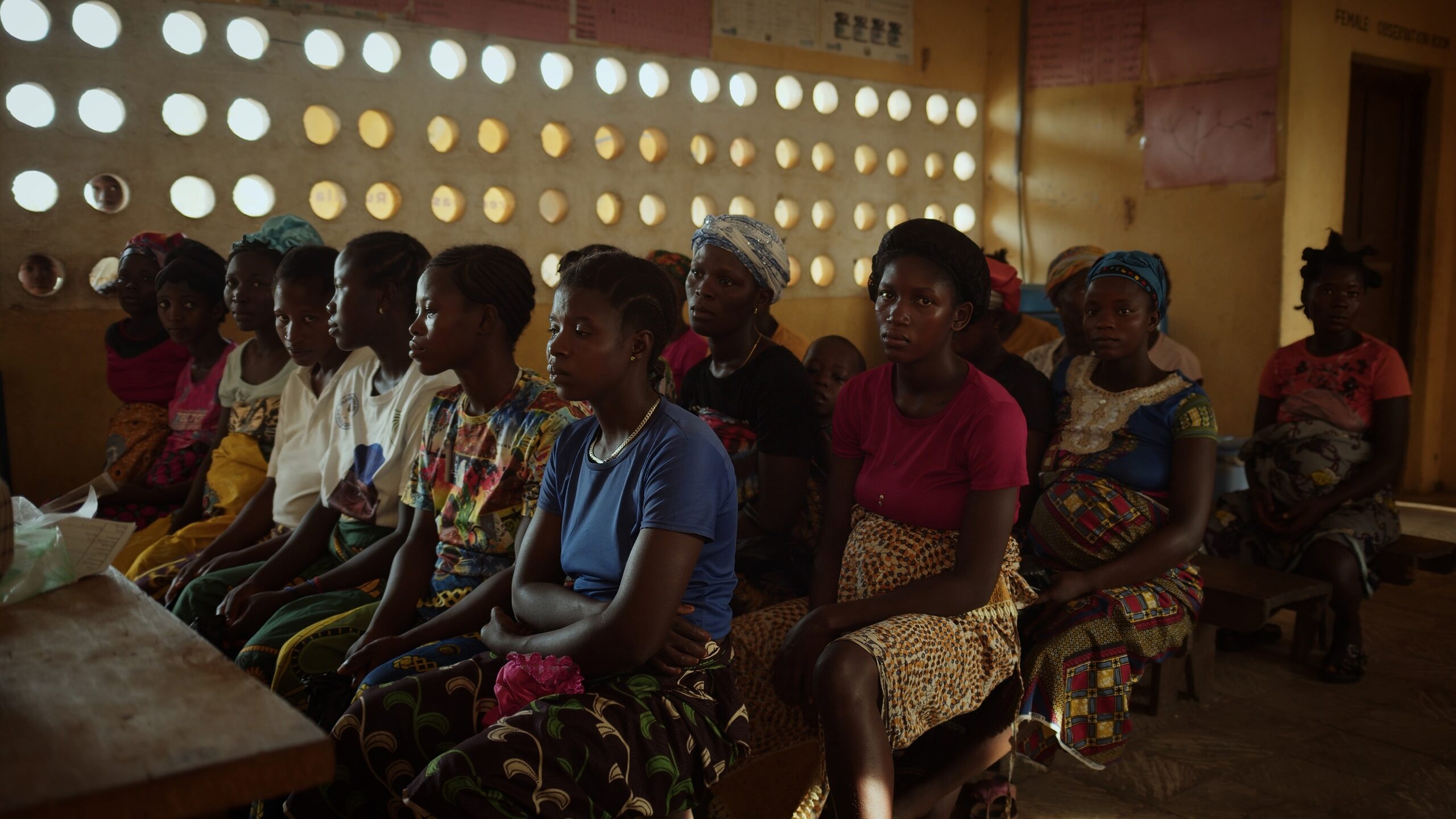
The country continues to face significant challenges in both lung and maternal health. Tuberculosis remains a major public health concern, while gaps in early detection and access to diagnostics persist in remote areas. At the same time, maternal mortality remains among the highest globally despite progress in recent decades.
24K+ people
developed TB in 2023
1.8K deaths
reported during the same year
2K+ people with TB
undiagnosed or unreported
3K+ people
faced TB-HIV co-infection
152 people
affected by drug-resistant forms
354 deaths
per 100,000 live births in 2023
Our work in Sierra Leone
Since 2018, we have partnered with national and international stakeholders to strengthen tuberculosis screening and maternal health services in Sierra Leone. Our work has focused on expanding access to reliable TB diagnostics, including in low-resource and off-grid settings, while advancing antenatal screening through BabyChecker. Together, these efforts support earlier detection and improved access to care across the country.
2018
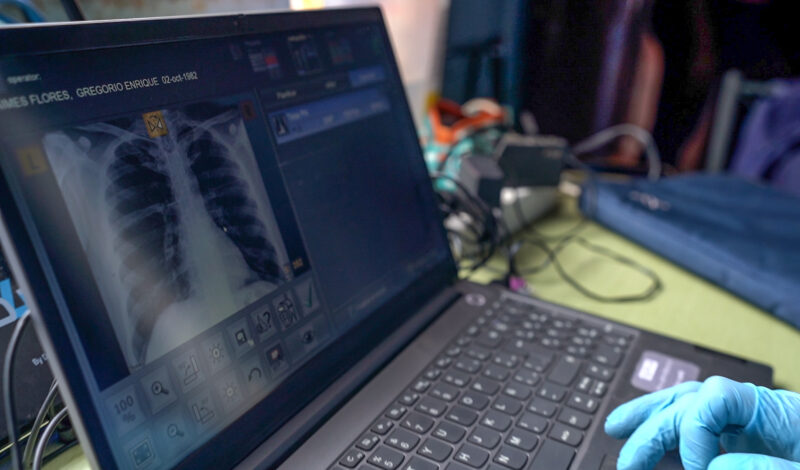
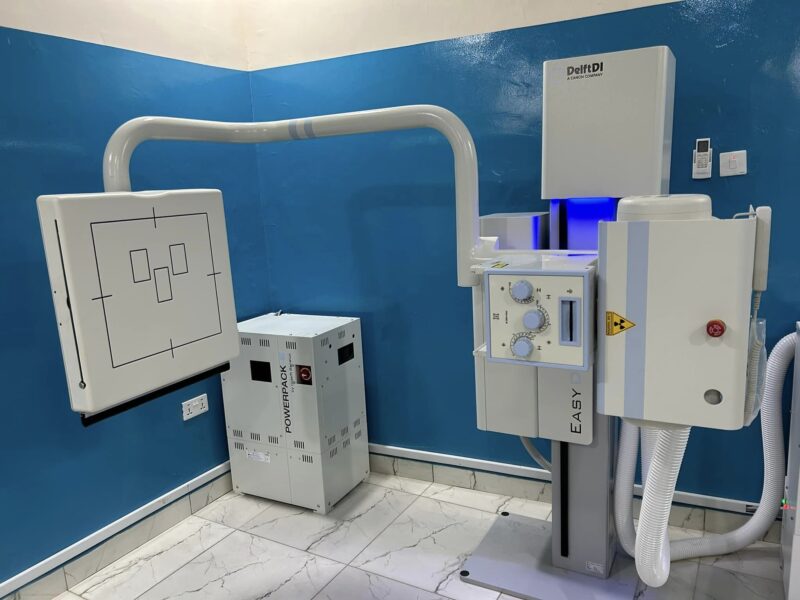
The IDA Foundation, with support from the Global Fund, installed 10 EasyDR systems and 2 additional digital X-ray units at Connaught Hospital and ten district hospitals. Two portable digital X-ray systems with CAD4TB were also provided for active case finding. A five-year maintenance contract between the Government of Sierra Leone, Delft Imaging, and our local partner ensures long-term sustainability.
2019
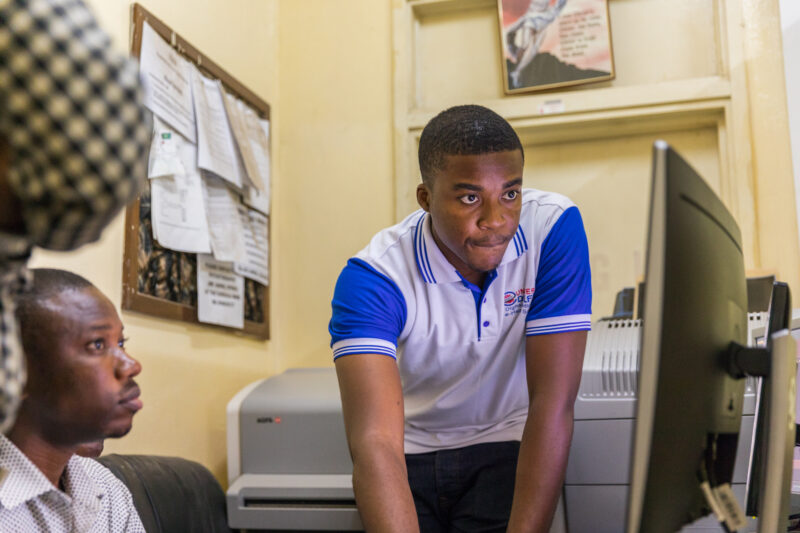
In 2018 and 2019, August and February, respectively, Delft organised two-day IT training sessions. They were arranged for the IT officers of Sierra Leone’s EasyDR X-ray Project, wherein participating hospitals received EasyDRs equipped with CAD4TB and PACS software. Delft Imaging also provided a Chest X-ray Reading Course for doctors and physician assistants at Freetown’s main hospital in 2021.
2020
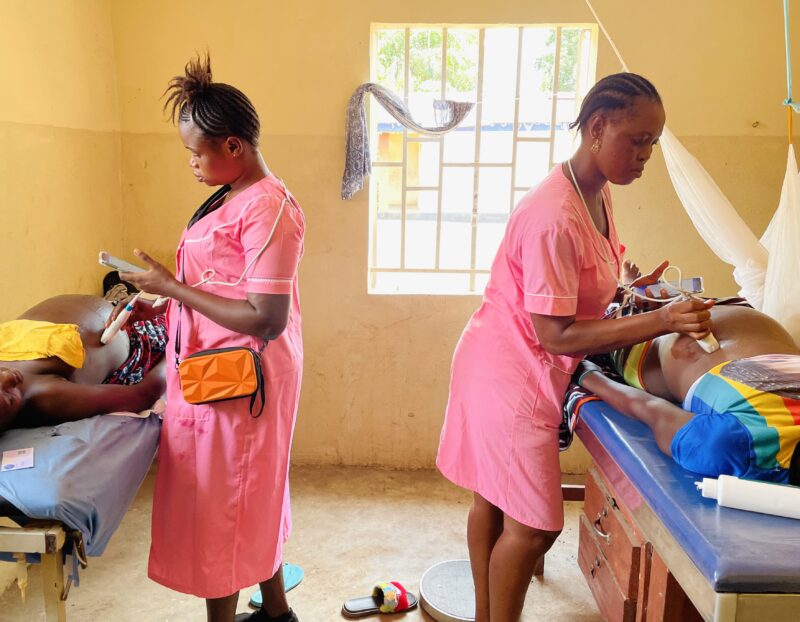
The first BabyChecker deployment in Sierra Leone began at Lion Heart Medical Center. The implementation compared scans performed by trained midwives using BabyChecker with standard ultrasounds performed by a doctor. The project demonstrated strong clinical relevance and local acceptance.
2021
A local NGO facilitated the delivery of another EasyDR X-ray system to a regional hospital.
2022
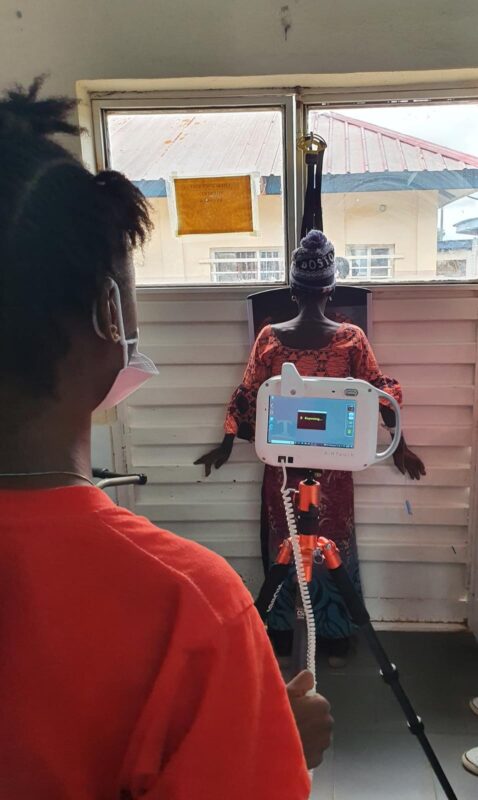
We provided a Delft Ultra system along with CAD4TB, including on-site training and installation services.
2022
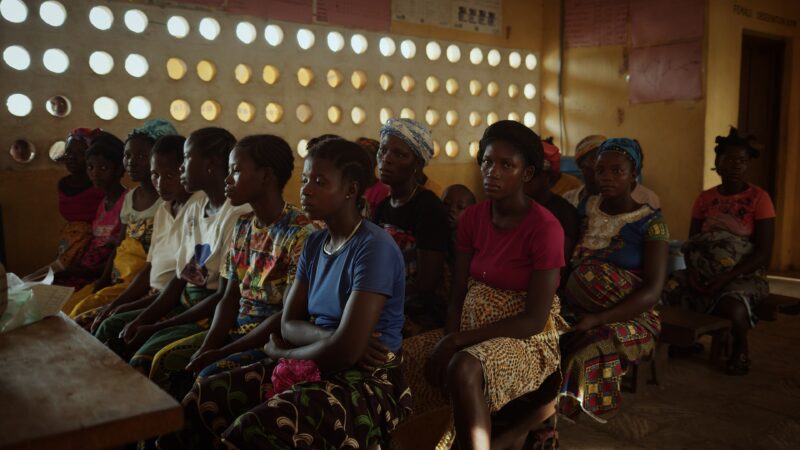
Some BabyChecker units were delivered to healthcare centers across the country to support routine antenatal screening.
2023
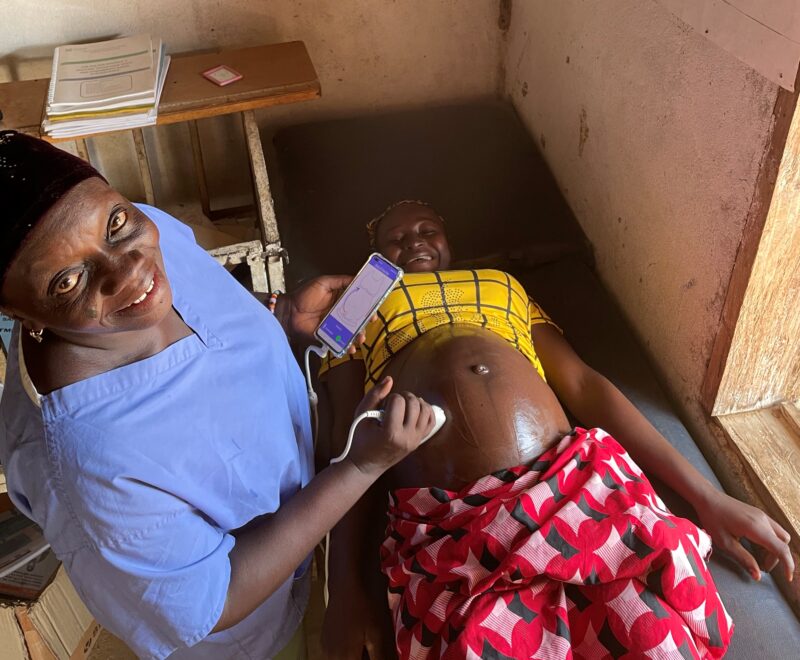
Public health students from the Royal Tropical Institute (KIT) conducted an independent study across seven facilities in the Tonkolili District. The study involved 81 healthcare workers and over 2,300 scans. Results showed that 83 percent of the scans met quality criteria, and BabyChecker was user-friendly, acceptable to staff, and feasible to integrate into existing antenatal services.
2025
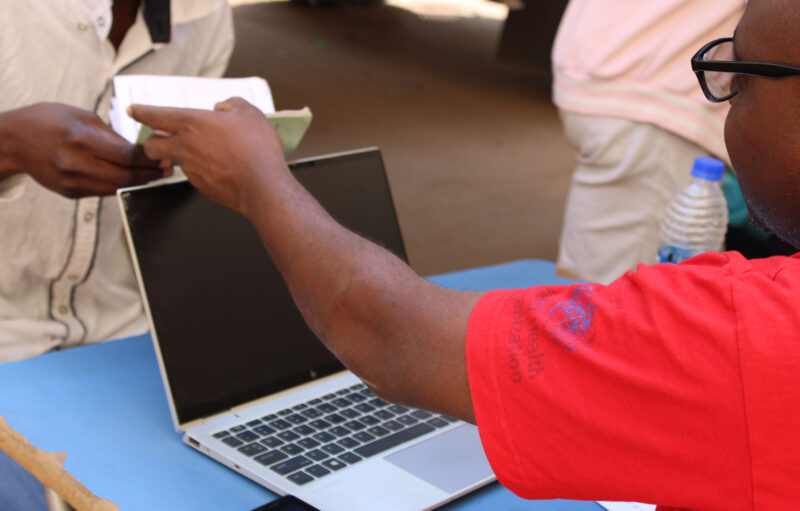
A variant of the Delft Light with CAD4TB was procured by Medici con l’Africa CUAMM, extending access to AI-supported TB diagnostics in Sierra Leone’s more remote healthcare settings.
Co-creating the future of lung health
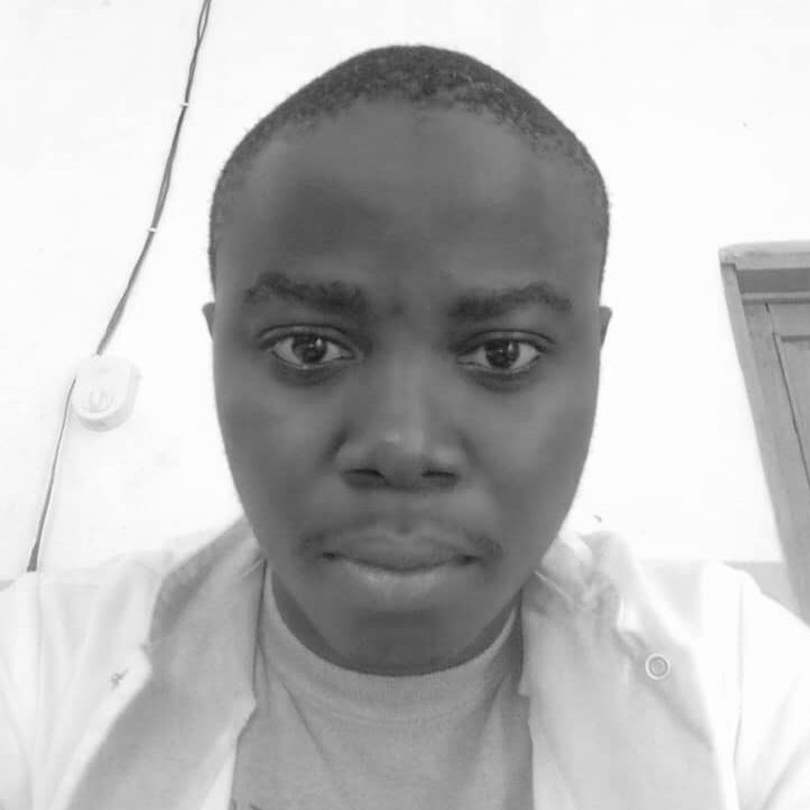
Dr. Elijah Charles
Medical Superintendent, Lion Heart Medical Centre, Sierra Leone
“It is very simple to use. You do not have to undergo a specialized professional training for this, as it is required in the standard ultrasound scan. It can be done by practically anyone. Anyone can be trained to do it. It does not require the availability of uninterrupted electricity supply, which of course you need if you want to be using the standard ultrasound scan. You only need a smartphone with the app in the phone, and then you get ultrasound probe, you connect it to a smartphone, get the phone charged and you are set to go.”
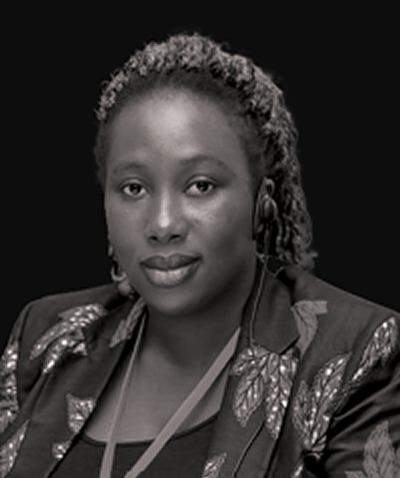
Ms. Amie Koroma
Program director at White Ribbon Alliance, Sierra Leone
“Women love the Baby Checker, they love to be scanned, they are coming all the time and they are coming earlier, which is very good because then they can also be assessed for other ANC issues. So there are no sociocultural issues and high community acceptance.”

Karlin Bacher
Director of Clinical Quality Improvement, Jericho Road Community Health Centre
“In August, a woman presented to our regular antenatal clinic for a visit. During the exam, they palpated that the baby’s lie was not cephalic and that her belly was very large. They decided to use the Baby Checker, which estimated 40 to 42 weeks of gestational age. The scan confirmed a breach presentation and a low-lying placenta. It recommended referral to a higher level of care. They carried out this referral, and the lady was sent to the local government hospital. Upon further examination, they identified that the mother was carrying twins. They were able to conduct a c-section successfully. Today, the babies and mother are all doing very well.”
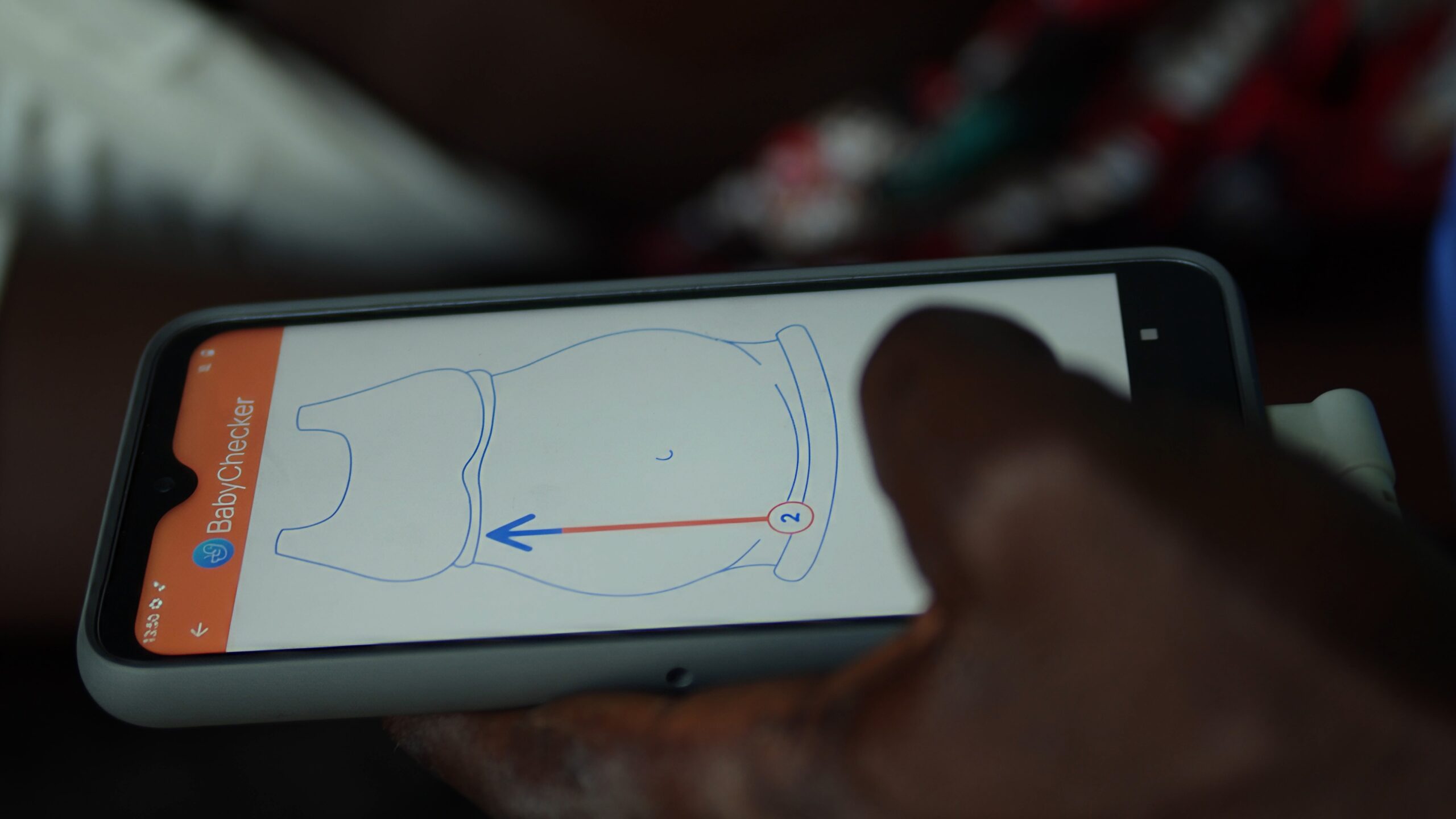
Join us as we take you to Sierra Leone, where BabyChecker is transforming access to ultrasound screenings. Through the voices of frontline healthcare workers, discover how this AI-powered tool is strengthening maternal care in resource-constrained settings.
At Delft Imaging, we believe every mother deserves access to quality care, no matter where she lives. This documentary marks the beginning of our mission to make maternal health more accessible.
Webinar sessions
Watch these webinar sessions to gain insights and learn from field experience.
Webinar
How AI ultrasound (BabyChecker) is strengthening pregnancy monitoring in Sierra Leone
Watch webinar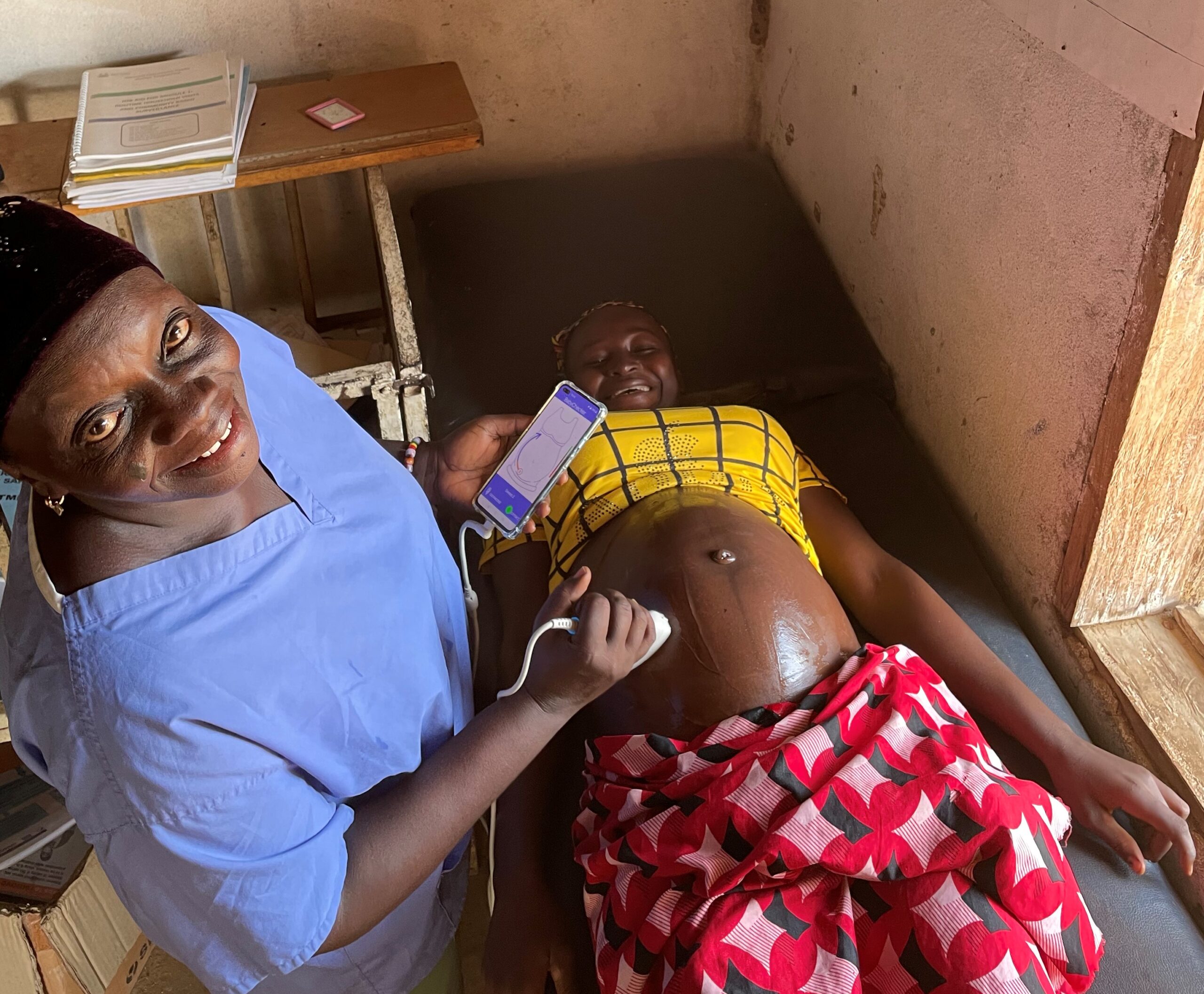
Connect with our representative in your country.
We work alongside Ministries of Health, implementing partners, and healthcare providers to ensure solutions are aligned with national strategies and local healthcare systems.
Kavita Patrayudu
- Review which solutions align with your programmatic and operational needs
- Explore partnership opportunities and long-term collaboration
- Address technical, clinical, and infrastructure considerations specific to your setting