
Discover the in’s and out’s of our solutions in a private demo

Ghana
How long-term collaboration with national and clinical partners enabled AI-supported imaging solutions to strengthen TB screening and early maternal risk detection in Ghana.
Ghana battles for equity in health,
with Delft Imaging
Ghana continues to face challenges in lung and maternal health, particularly in early detection and access to care in hard-to-reach areas. Tuberculosis remains a major public health concern, while gaps in diagnostic capacity limit further reductions in preventable maternal deaths. Strengthening integrated, people-centered screening and improving early risk identification are essential to enhance case finding, support timely intervention, and reinforce primary healthcare services.
44,000 people
developed TB in 2023
25,000 individuals
remained undiagnosed
12,000 people
died from TB
11% reduction
in TB mortality
4,800 people
live with both TB and HIV
234 maternal deaths
per 10,000 live births in 2023
Our work in Ghana
For over a decade, we have partnered with Ghana’s Ministry of Health to strengthen national priorities in lung health and maternal care. Today, Ghana’s TB and lung health screening infrastructure includes nearly 60 EasyDR systems, 2 mobile X-ray units, 20 Delft Light systems, and more than 85 CAD4TB installations deployed nationwide.
2014
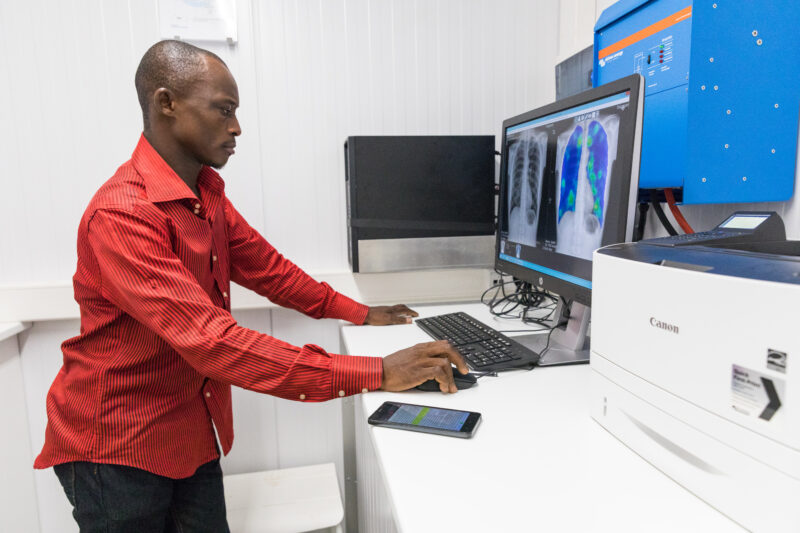
We delivered the first containerized X-ray unit equipped with an EasyDR multi-functional X-ray system and our CAD4TB software to support the upcoming national TB prevalence survey.
2015
4 additional portable X-ray systems (Atomed) were added, enabling the team to complete the national survey in just six months—screening almost 60,000 people.
2016
We were awarded the Accelerating TB Case Detection project, financed by the Dutch Enterprise Agency, now Invest International. This bilateral initiative between the Dutch and Ghanaian governments aimed to strengthen Ghana’s TB detection infrastructure.
2016
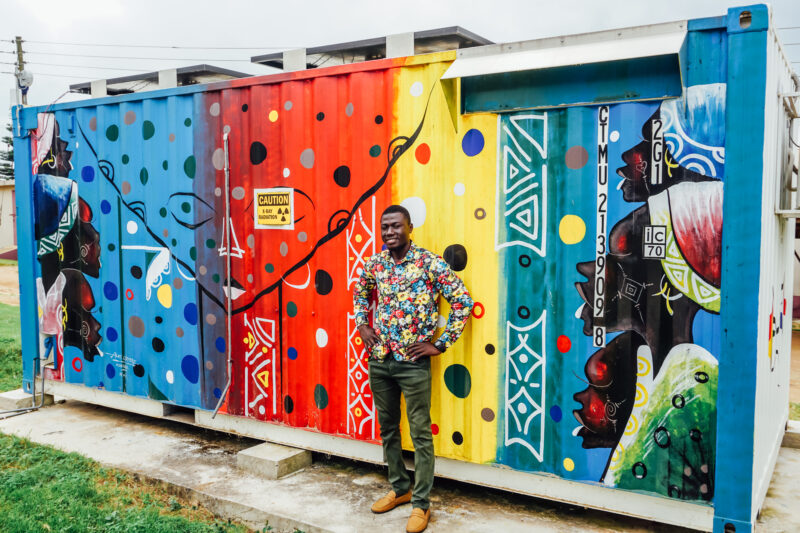
The project included the installation of 52 EasyDR stationary digital X-ray systems across Ghana, all equipped with CAD4TB software for automated detection of TB-related abnormalities (30 in containerized clinics, 20 in existing health facilities, 2 in Delft OneStopTB X-ray Trucks)
2016
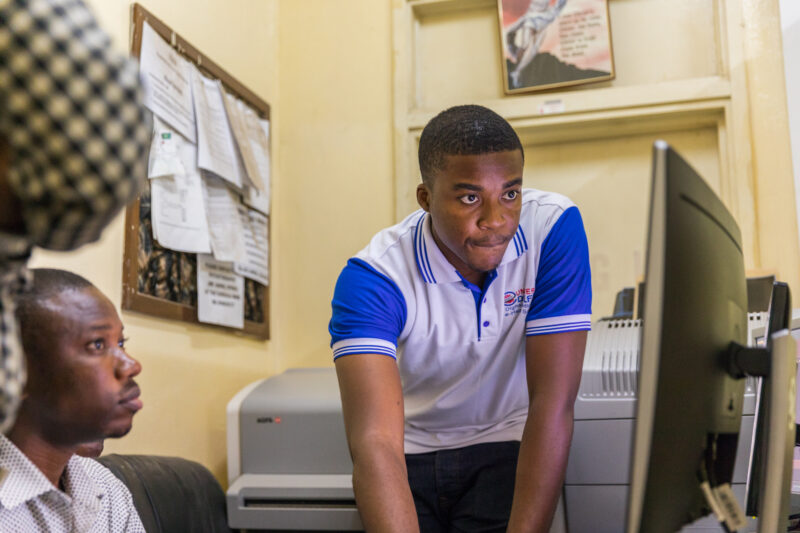
The project also included installation, onsite training, and a radiographer training program to ensure sustainable impact.
2017
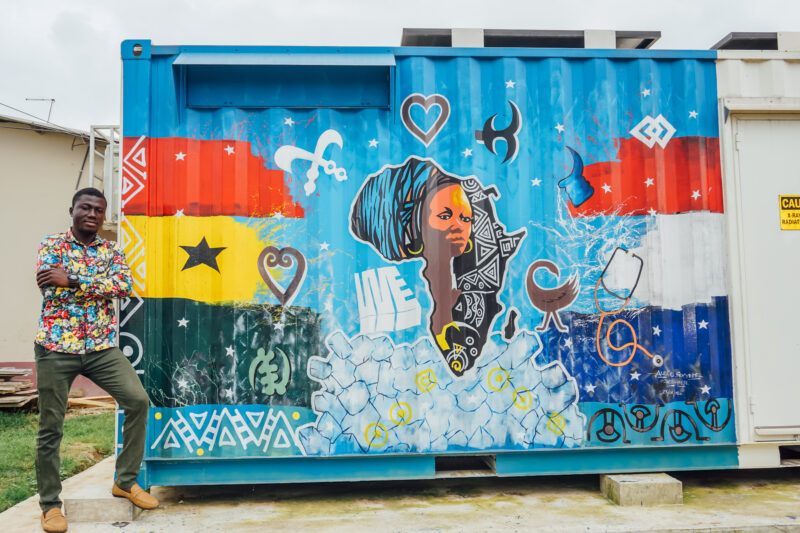
3 containerized clinics equipped with EasyDR and CAD4TB were delivered to the National TB Programme.
2020
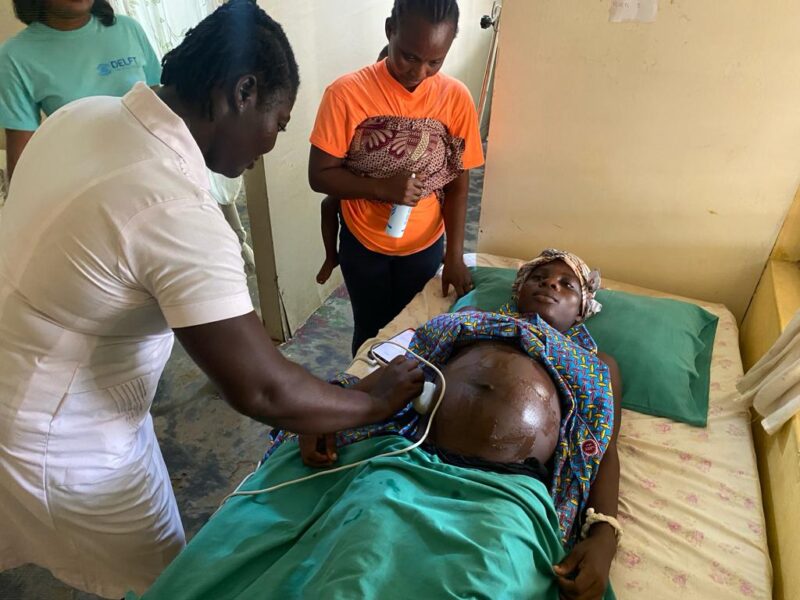
BabyChecker was introduced in Ghana as part of an initiative to refine its artificial intelligence further and evaluate real-world user performance. This deployment focused on collecting data from health workers and exploring training approaches tailored to local contexts. The insights gained helped improve both the mobile application and the support model for implementation.
2022
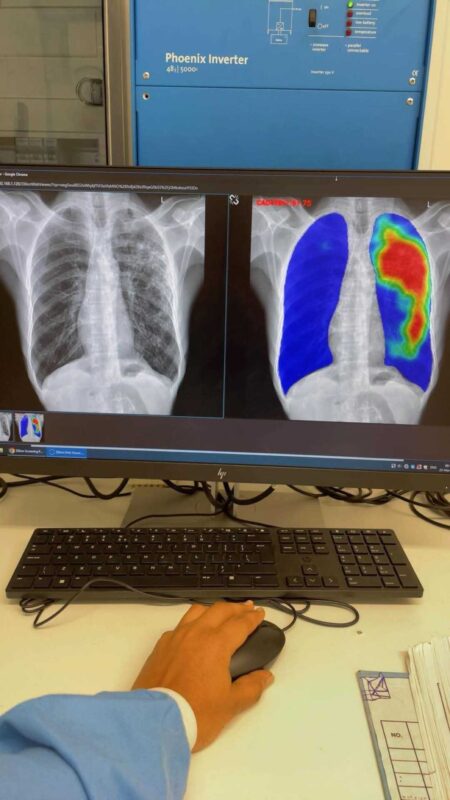
More than 1.4 million X-rays had been performed using these systems.
2022
We delivered 3 Delft Light with CAD4TB to the Ministry of Health, followed by another 20 Delft Light and 20 CAD4TB licenses later that year, funded through COVID-19 resources.
2023
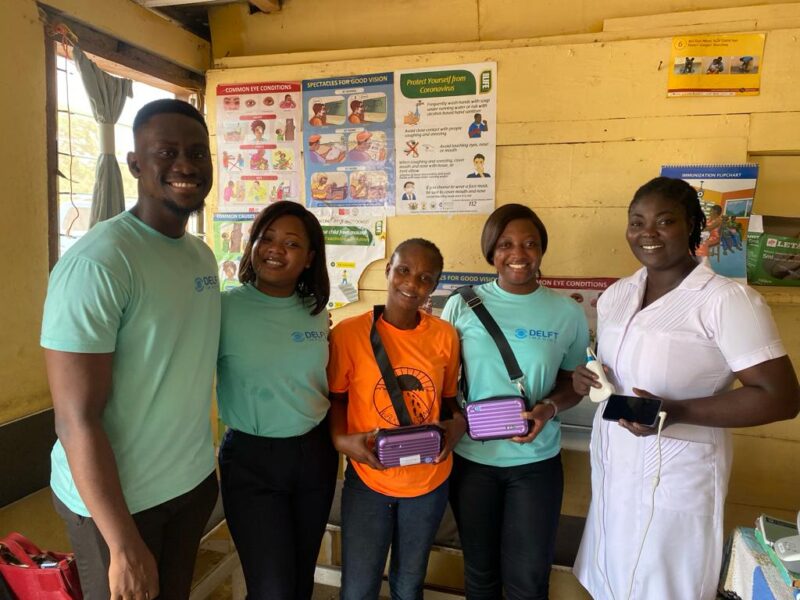
We partnered with the TREATS Association to facilitate this early-stage deployment. Ghana is among the first countries where BabyChecker was field-tested to assess usability and data quality at the primary healthcare level. The collaboration strengthened the foundation for subsequent software versions and helped define best practices for adoption in similar settings.
Local support team
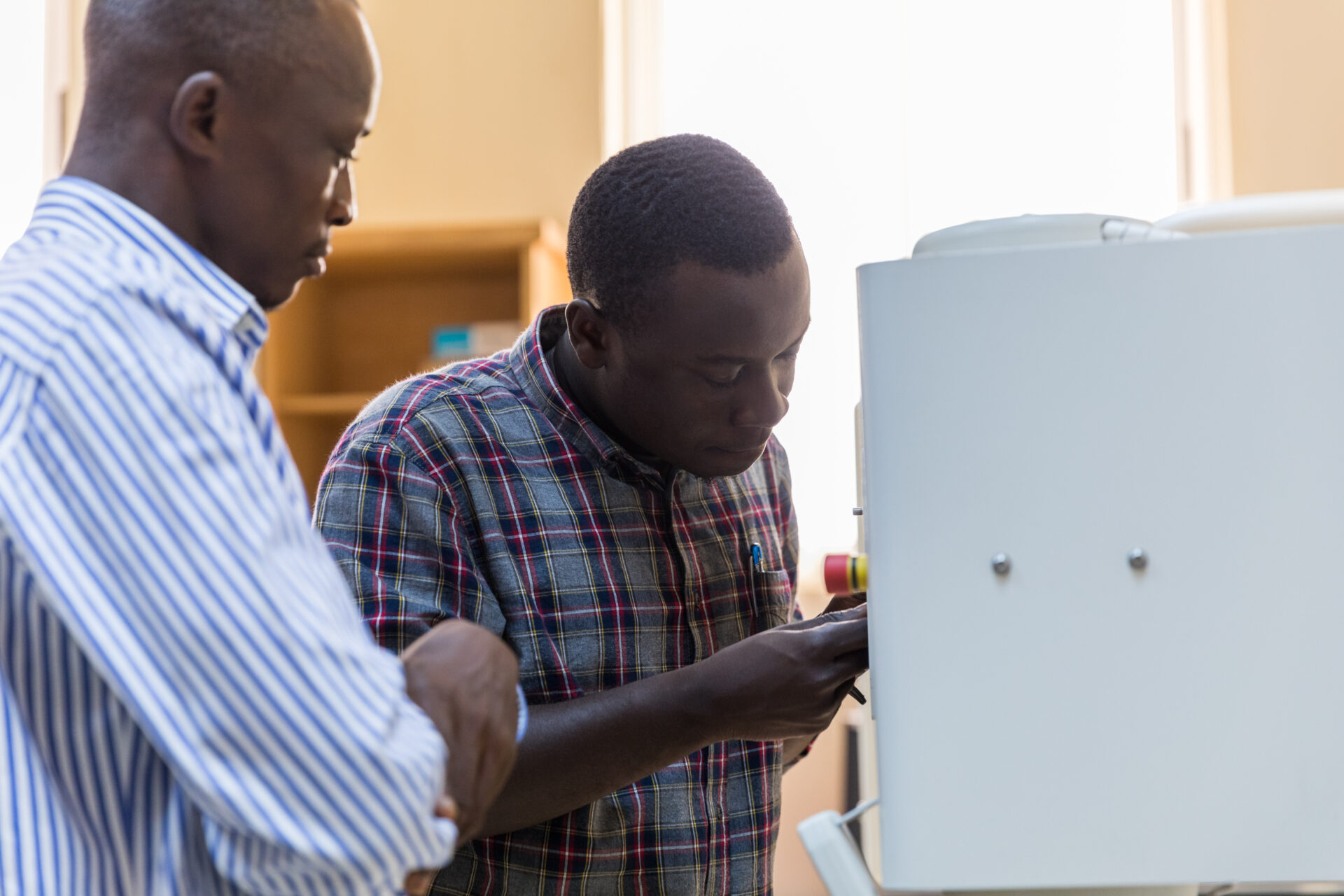
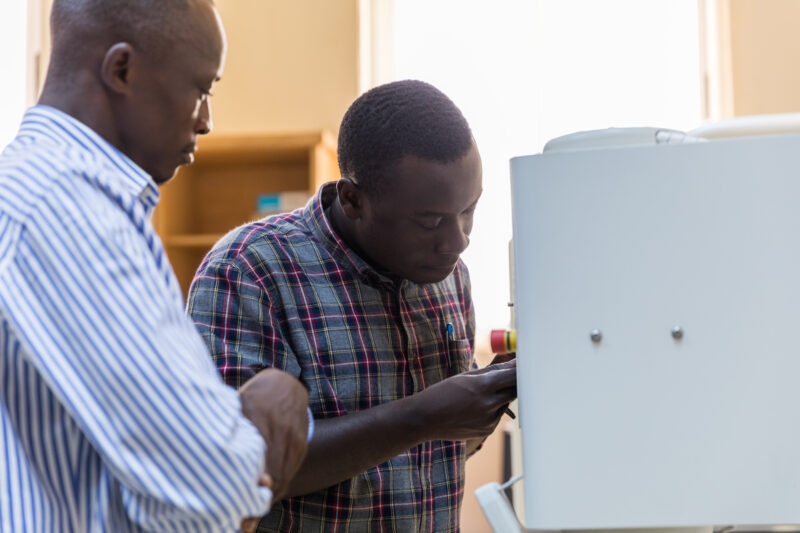
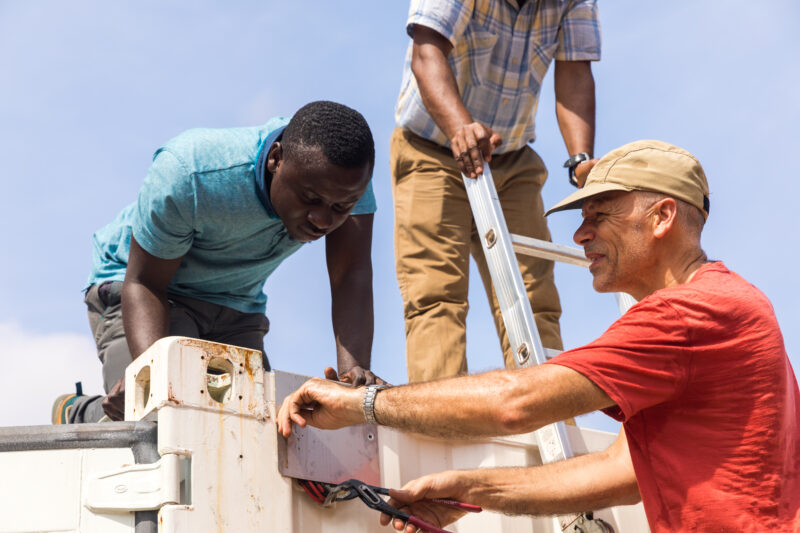
To support its operations in Ghana and beyond, Delft Imaging established its local subsidiary, Delft Imaging Ghana. The local team—comprising engineers, IT and application specialists, and radiographers—provides direct support for installations and services throughout Ghana and across Africa.
Trainings and maintenance services
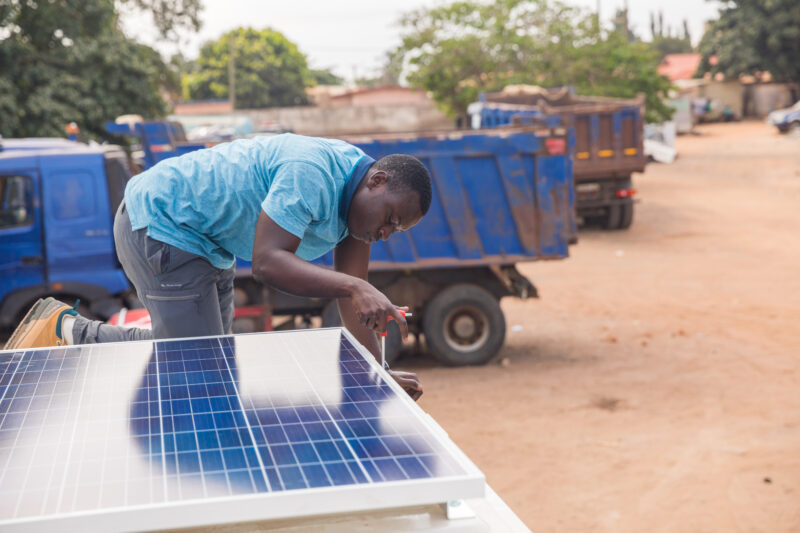
Each year, we conduct Planned Preventive Maintenance (PPM) visits to keep systems operating optimally. Between 2020 and 2022, each system averaged fewer than 0.59 calls per year for technical issues and 1.22 calls per year for IT/application-related issues. Technical issues were typically resolved in under two days and IT/application issues in under one. User satisfaction averaged 95% over four years, and 96% of users reported that the PPM visits were helpful.
Co-creating the future of lung health

Dr Yaw Adusi Poku
Programme Manager National TB Control, Ghana Health Service
“[…] we use our digital x-rays with CAD, and I must say that it came handy. There were some trainings for GPs, general practitioners, on how to marry x-rays with the history, and also taking samples for testing, spitting samples for testing.”
Making a difference
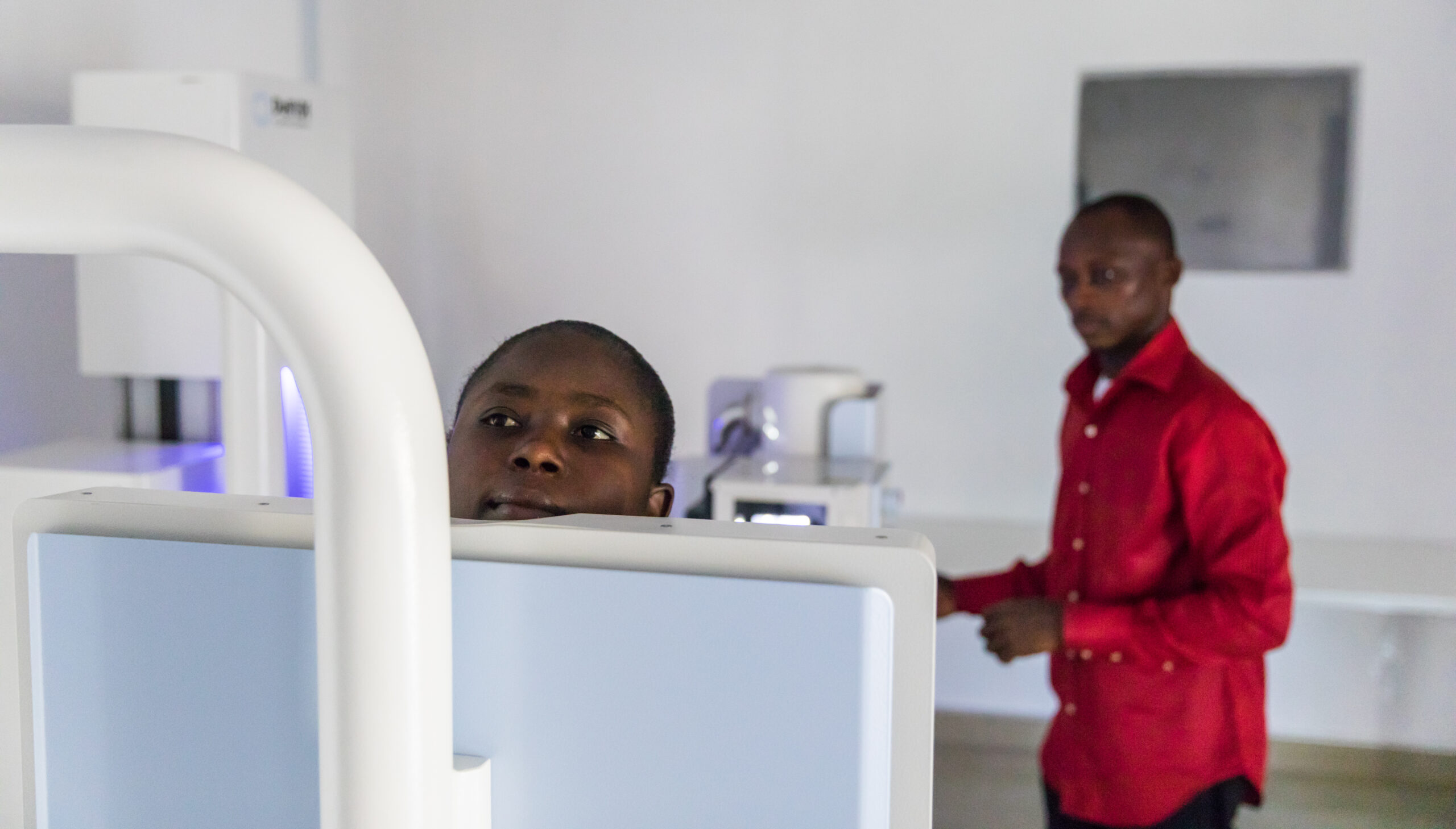
Case Study
Ghana – Integrated Case-finding approach for TB, HIV & COVID-19 in Mining Communities with OneStopTB Clinic
Read articleWebinar sessions
Watch these webinar sessions to gain insights and learn from field experience.
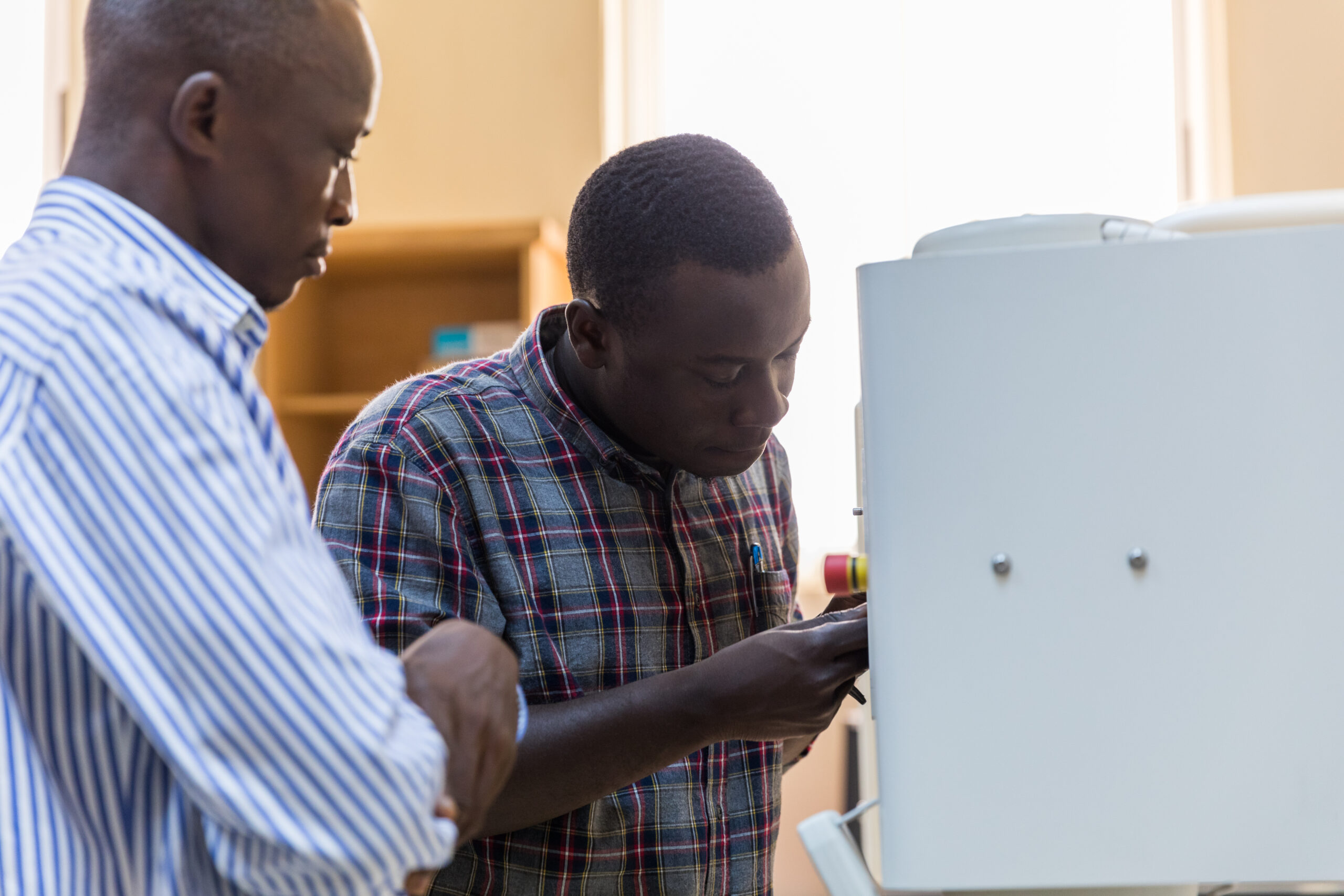
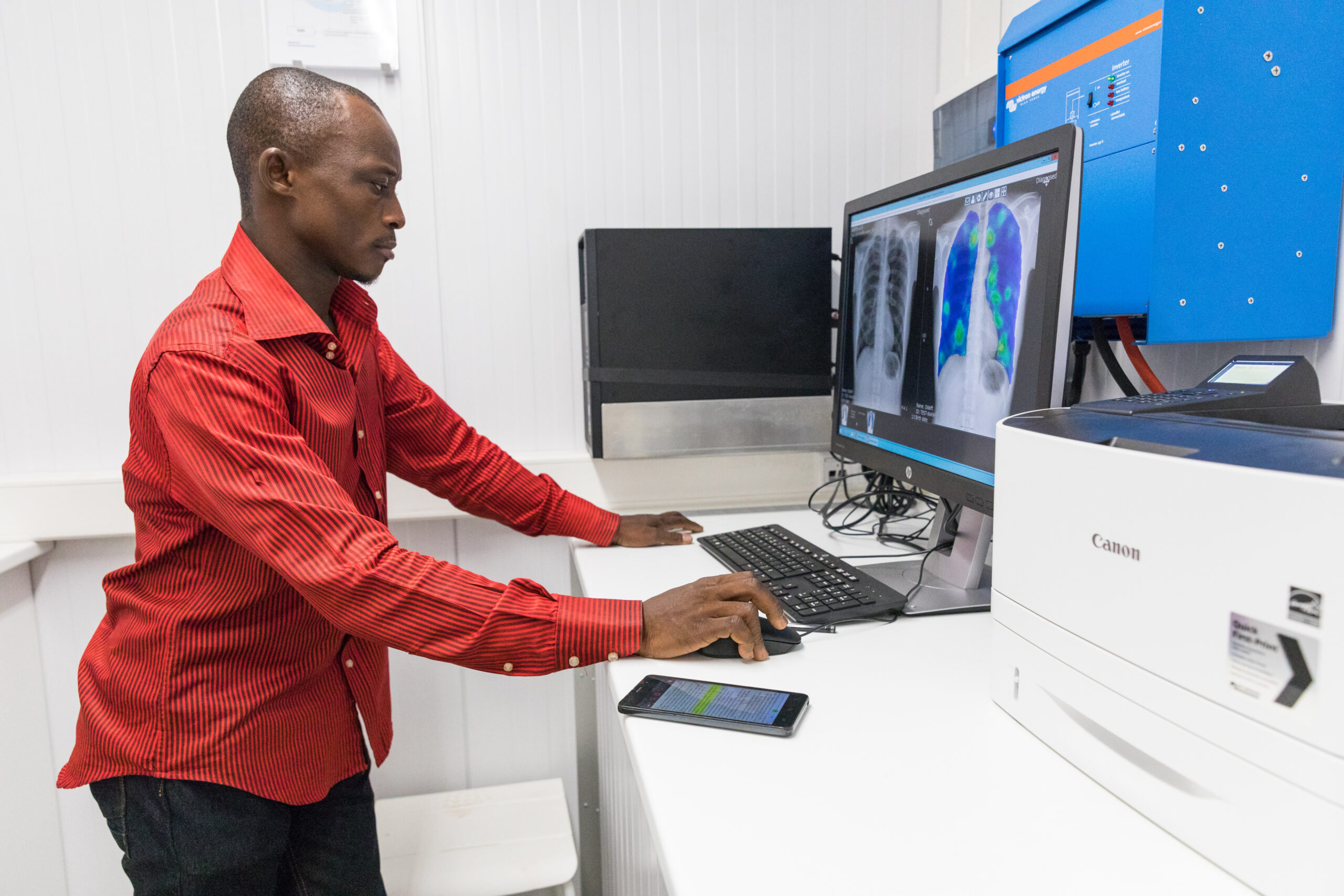
Webinar
Accelerating TB Case Finding: Screening in key populations (ART Centres) and TPT in Ghana
Watch webinarConnect with our representative in your country.
We work alongside Ministries of Health, implementing partners, and healthcare providers to ensure solutions are aligned with national strategies and local healthcare systems.

Florent Geerts
- Review which solutions align with your programmatic and operational needs
- Explore partnership opportunities and long-term collaboration
- Address technical, clinical, and infrastructure considerations specific to your setting