
Discover the in’s and out’s of our solutions in a private demo

Democratic Republic of the Congo
How Delft Imaging technology and local partnerships transformed X-ray access and care delivery in DR Congo.
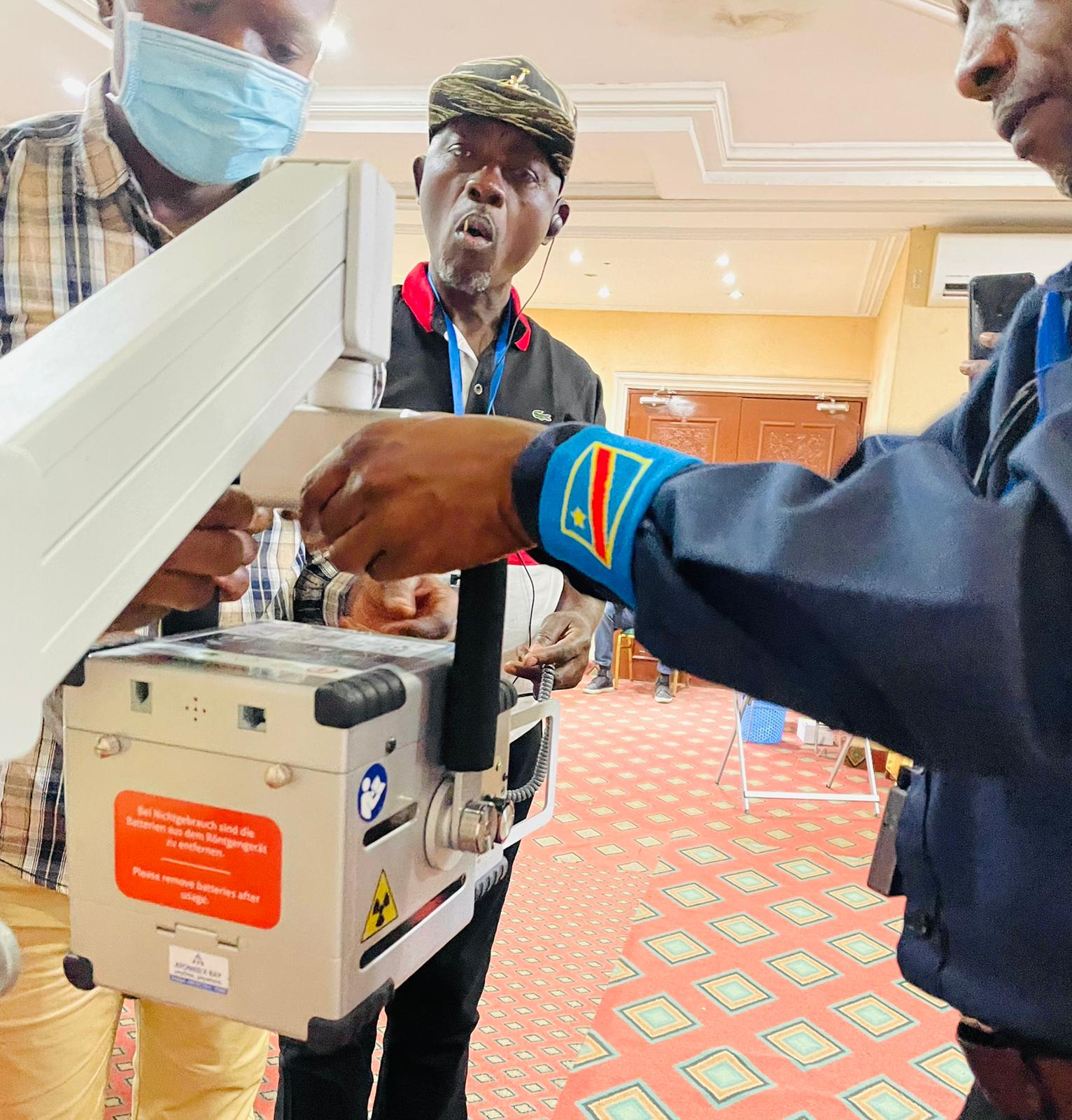
Advancing TB screening
with portable X-ray and CAD4TB
With a population of roughly 105.8 million in 2023, the Democratic Republic of the Congo faced one of the highest TB burdens globally.
334,000 individuals
developed TB
43,000 people
died from the disease
75,931 cases
reamined undetected or unreported
Our work in DR Congo
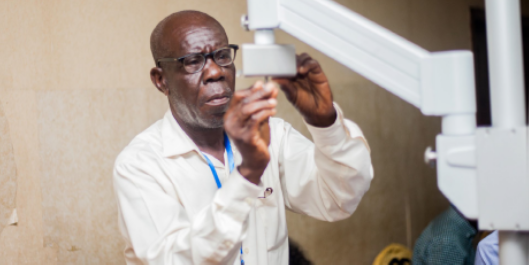
2017
We delivered a digital X-ray system with CAD4TB to the IDA Foundation.
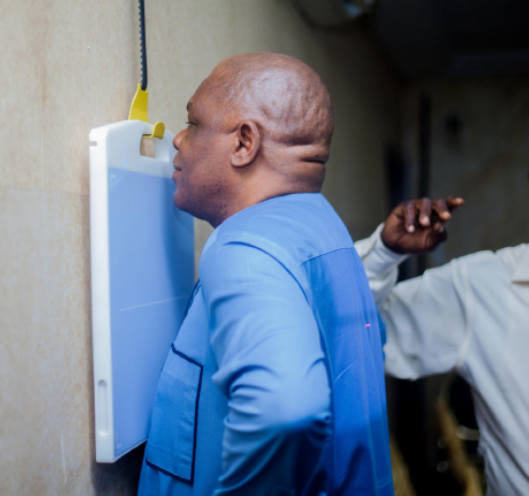
2021
As part of the iNTP project (funded by USAID, supported by the Stop TB Partnership), we supplied 8 Delft Lights equipped with CAD4TB to the Programme National de Lutte contre la Tuberculose.
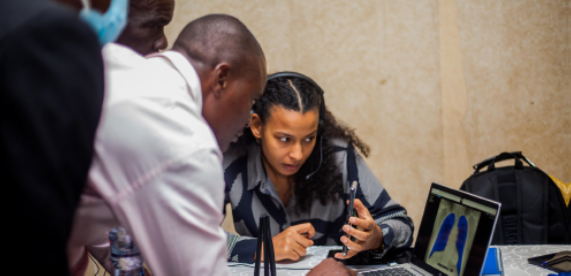
Deployed across the country
These systems were deployed across four provinces: Kinshasa, Kasaï-Oriental, Haut-Katanga, and Lualaba. These systems have significantly improved TB screening by consistently providing accurate X-ray interpretations, especially in remote areas.
Co-creating the future of lung health
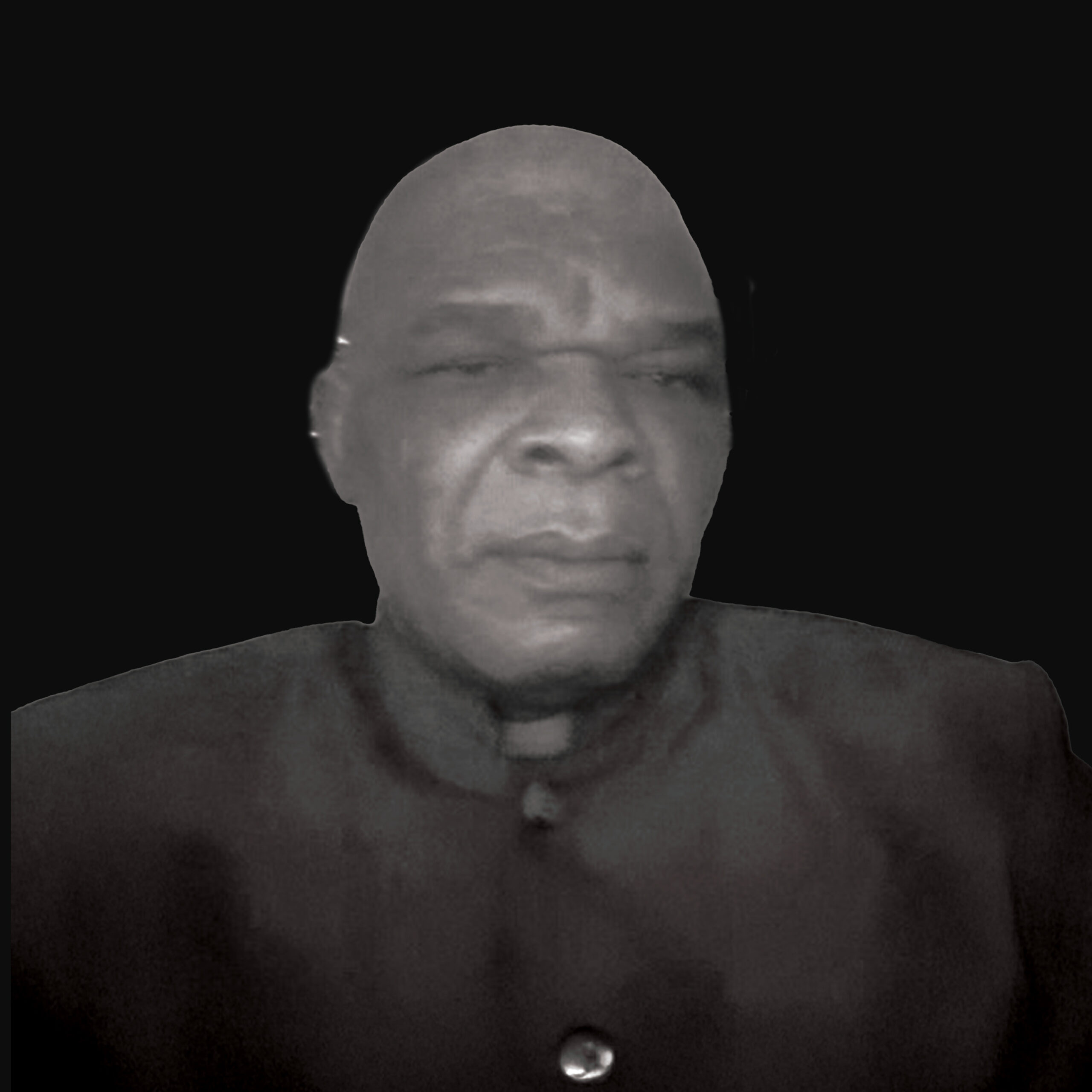
Dr Jean Pierre Kabuayi
Expert in TB Epidemiological Surveillance, Ministry of Public Health, Hygiene, and Prevention, DR Congo
“[…] those different people trained during the installation of digital x-rays had the support, the great support. The Delft team support were able to discuss with them of the different elements put in place, how to use them.”
Connect with our representative in your country.
We work alongside Ministries of Health, implementing partners, and healthcare providers to ensure solutions are aligned with national strategies and local healthcare systems.

Andrea Giacalone
- Review which solutions align with your programmatic and operational needs
- Explore partnership opportunities and long-term collaboration
- Address technical, clinical, and infrastructure considerations specific to your setting