
Discover the in’s and out’s of BabyChecker in a private meeting
Maternal health screening
We enable early pregnancy risk screening at the frontline with AI-supported ultrasound, supporting timely referral and safer maternal outcomes.
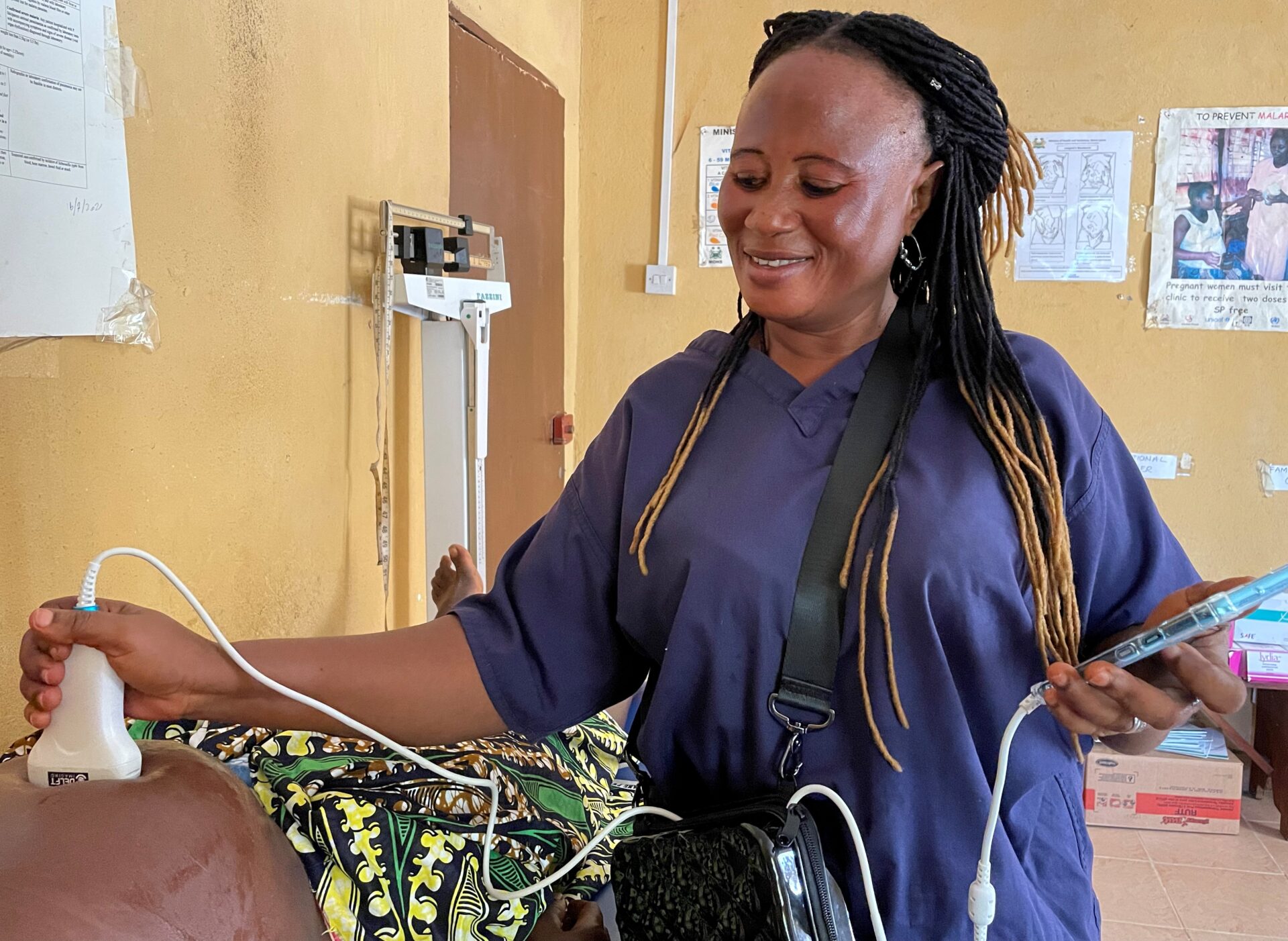
Strengthening maternal care through accessible frontline screening
Early risk identification during pregnancy improves maternal and antenatal outcomes. In many settings, quality ultrasound remains centralized and dependent on specialist capacity and stable infrastructure.
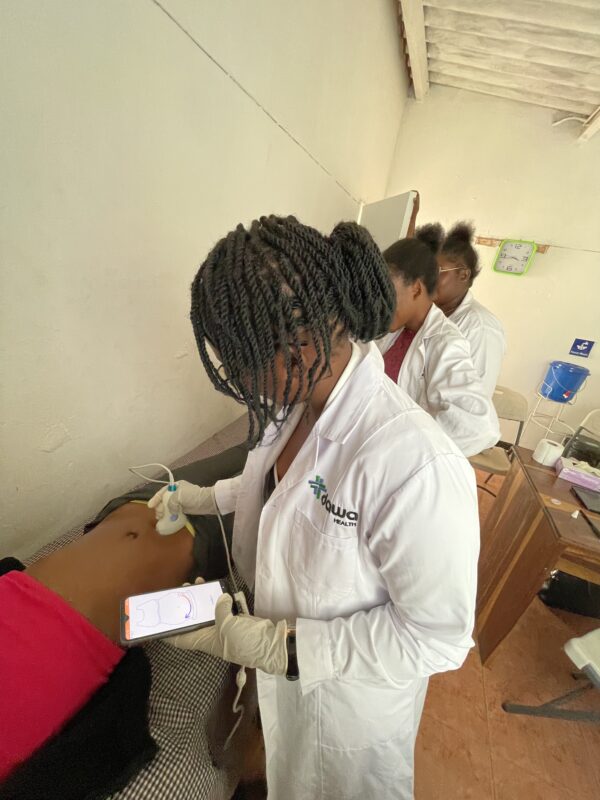
The system challenge
Maternal health programs often face:
- Limited ultrasound access in rural and remote regions
- Shortages of trained specialists
- Infrastructure dependence
- Service and maintenance sustainability challenges
- Fragmented data capture and reporting
Expanding maternal screening takes more than devices. It needs training, workflow integration, and long-term operational support
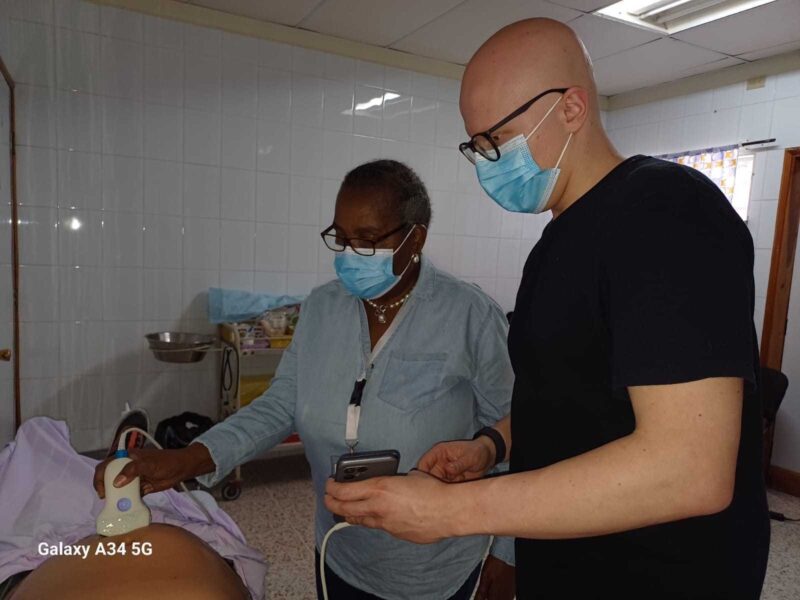
Our solution
To strengthen maternal health systems, screening needs to reach frontline care while maintaining quality, safety, and accountability.
We support governments, nongovernmental organizations (NGOs), and maternal health programs in building decentralized screening models that expand access and strengthen system capacity.
Beyond devices: building sustainable maternal screening programs
We combine portable ultrasound solutions, AI-supported interpretation, data integration, and structured implementation support into one approach.
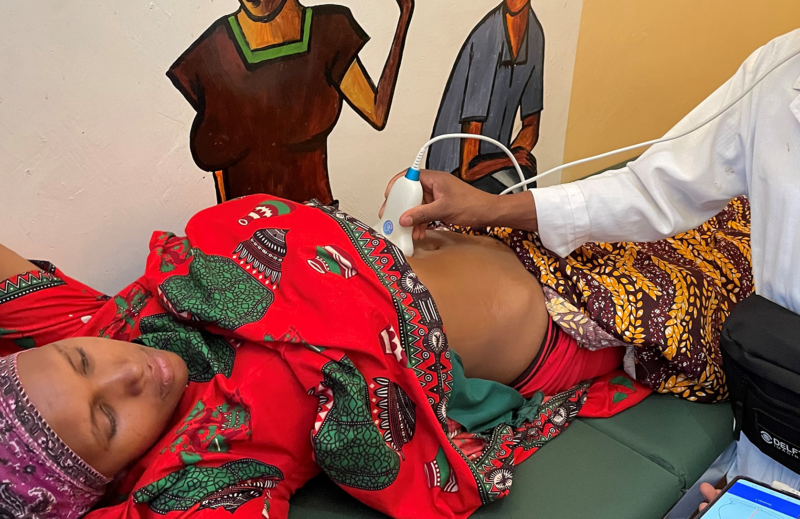

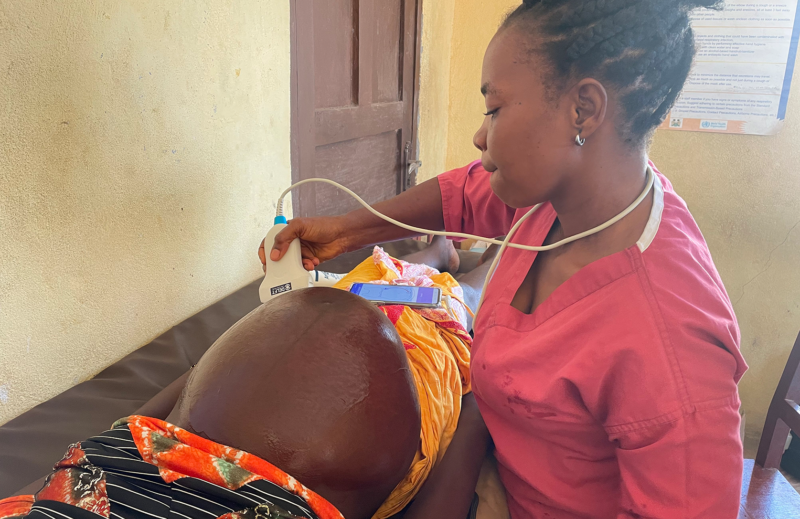
Maternal health programs often face:
- Screening closer to where care is delivered
- Decision support for midwives and non-specialist providers
- Secure reporting aligned with national health systems
- Deployment that fits primary care models
- Predictable service support and monitoring

Kavita Patrayudu
Dive into how our solution can help you in maternal screening.
Our integrated maternal screening approach
We combine portable ultrasound solutions, AI-supported interpretation, data integration,
and structured implementation support into one approach.
Closer-to-care screening
Enable maternal risk screening at primary care and community level.
Decision support for frontline providers
Support midwives and non-specialist health workers with AI-guided assessment.
Secure, integrated reporting
lign data capture and reporting with national health systems.
Designed for primary care models
Deployment that fits existing workflows and referral pathways.
Predictable operational support
Structured service, monitoring, and long-term technical support.
Economic sustainability and responsible AI
Maternal health investments need long-term viability. Responsible AI principles guide deployment, including transparency and appropriate data governance.
We support decision-makers with:
- Total cost of ownership visibility
- Predictable service pathways
- Clear performance reporting
- Continuous validation support and regulatory compliance planning
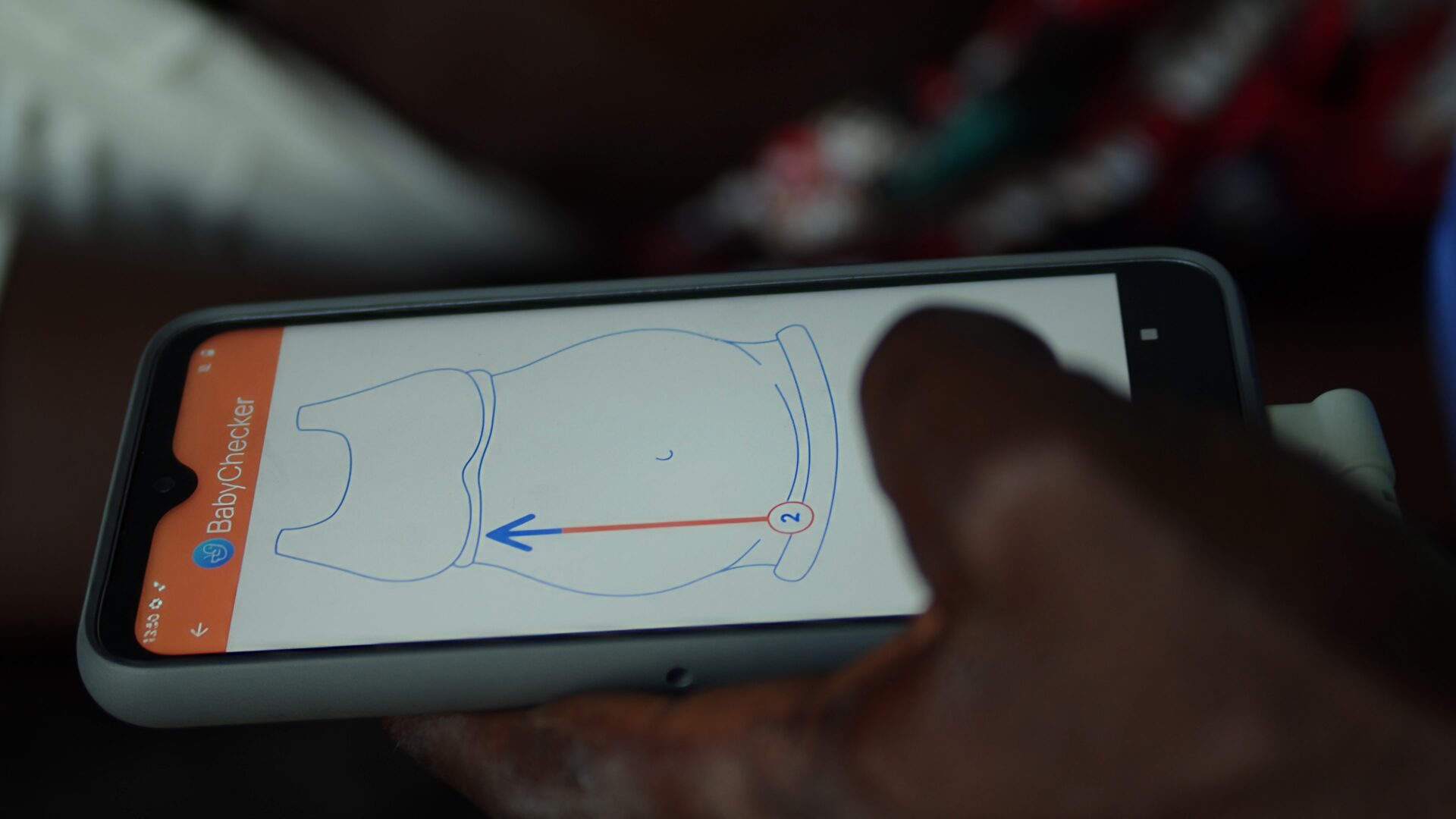
Strengthening decentralized maternal screening systems
Expand access
while strengthening systems
Decentralized maternal screening strengthens frontline care when it is integrated, supported, and maintained like core infrastructure.
Strengthen your maternal health screening strategy
If your program is expanding decentralized maternal screening and wants to maintain safety and sustainability, we can support an assessment of deployment models, operating requirements, and system integration.
Insights from the field
Watch these webinar sessions to gain insights and learn from field experience.
Discover all
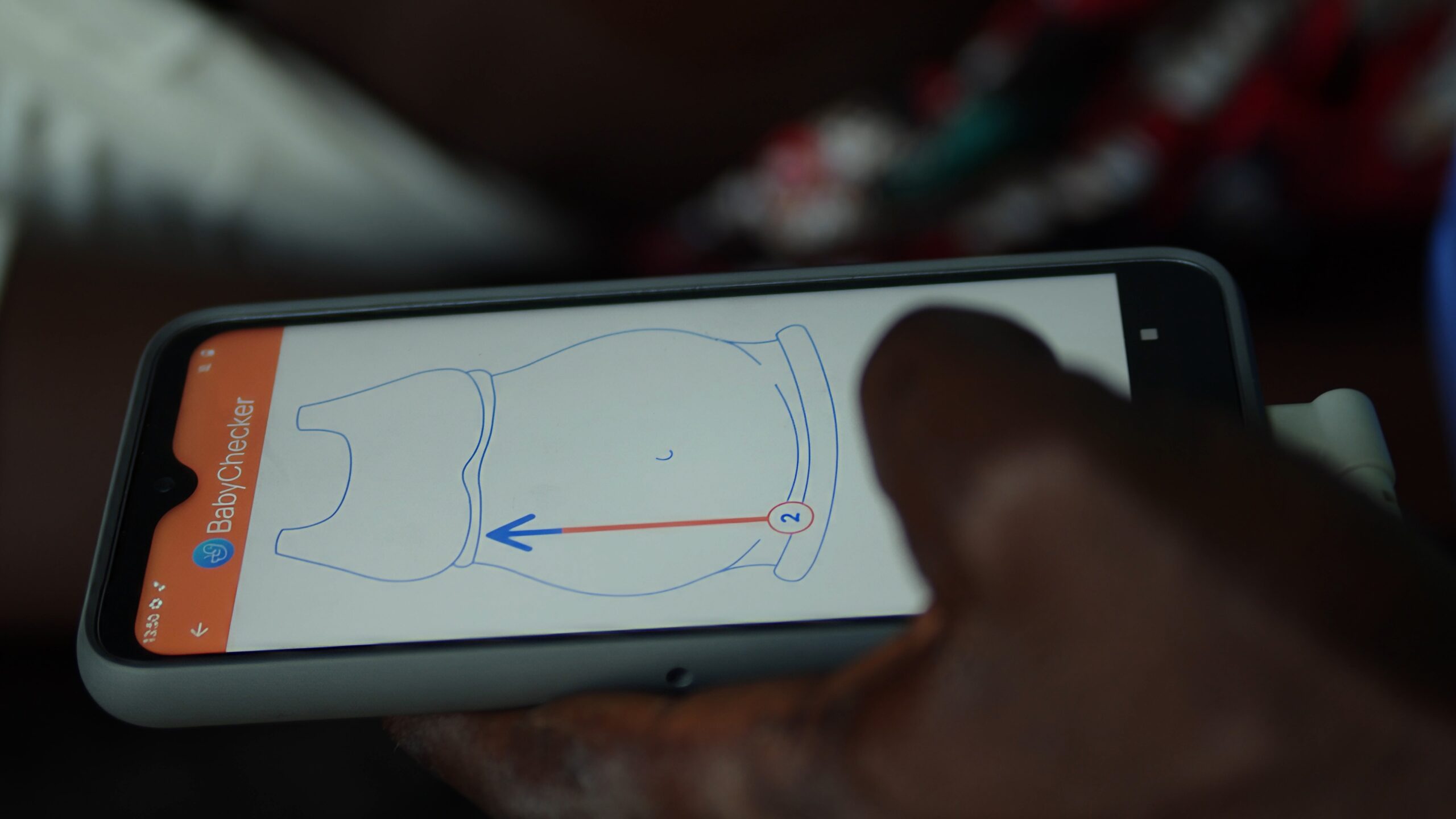
Webinar
How AI ultrasound (BabyChecker) is strengthening pregnancy monitoring in Sierra Leone
Watch webinar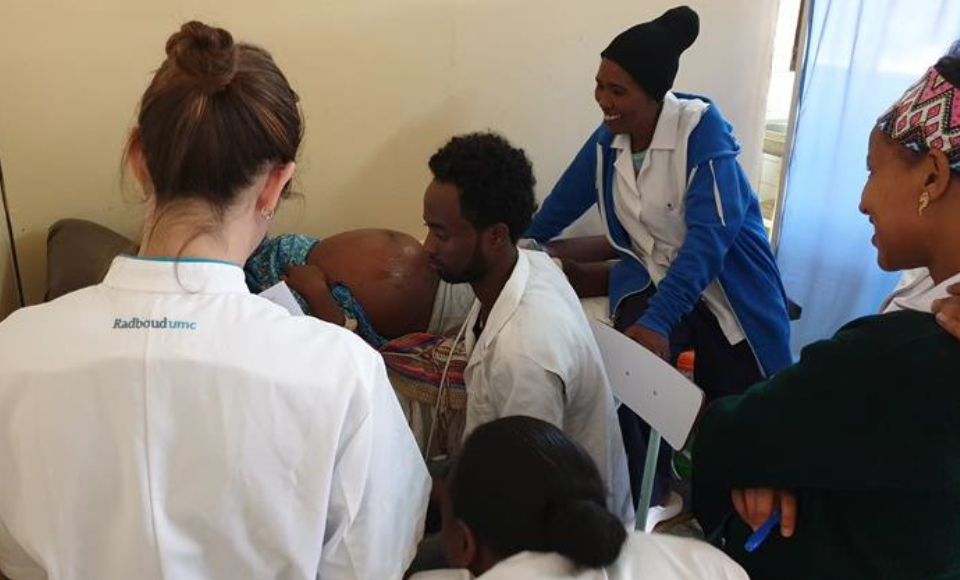
Webinar
Preliminary results of BabyChecker use, AI that analysis ultrasound scan in Somali region, Ethiopia
Watch webinar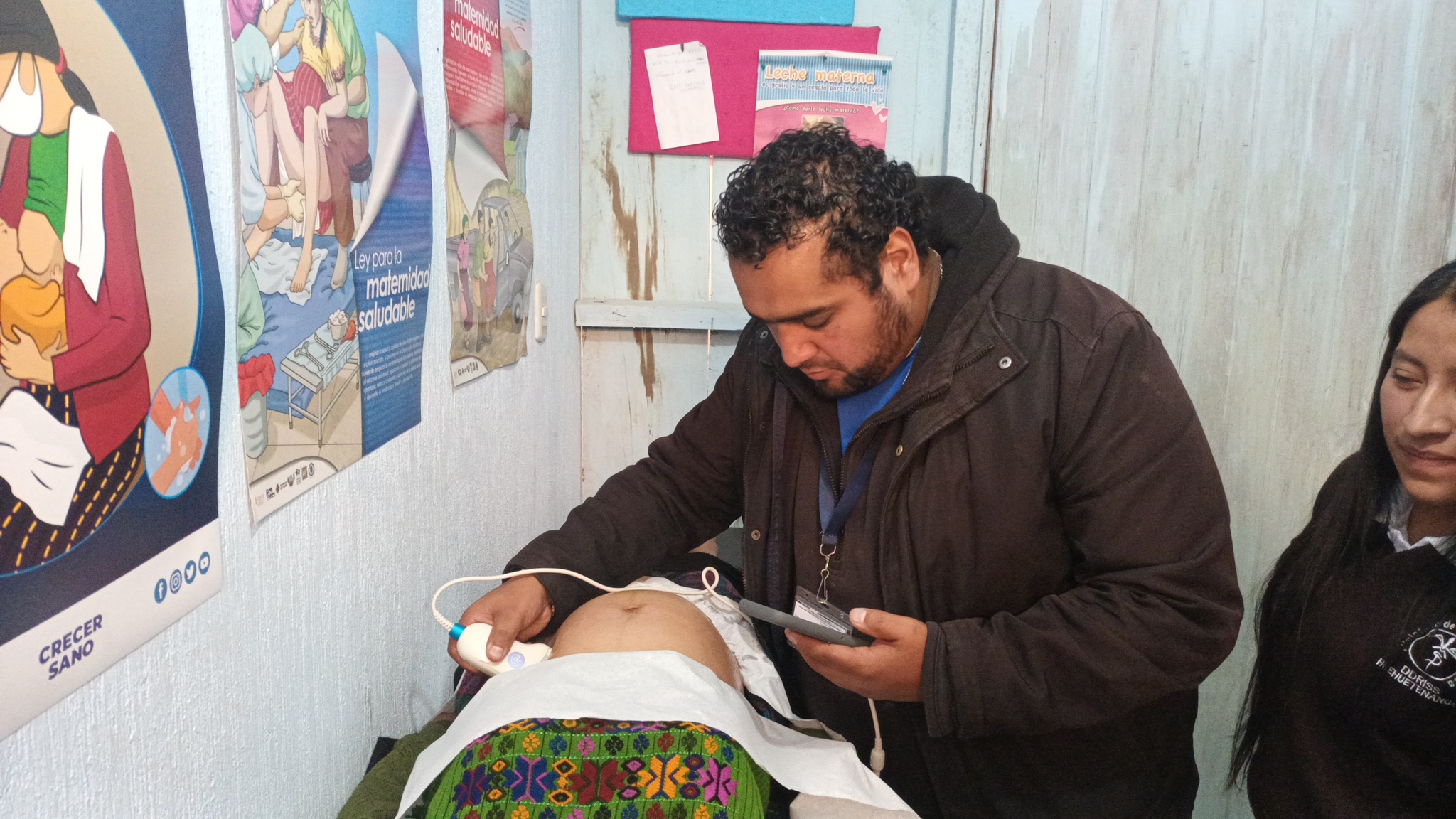
Webinar
Strengthening antenatal care in rural Guatemala: A field report on BabyChecker
Watch webinarWant to know more
about our solution?
We guide you through key features of BabyChecker, practical deployment models at primary care level, and integration within national maternal health systems to support timely referral and safer pregnancy outcomes.

Julio Lopez
Head of R&D: Ultrasound
- How AI-supported ultrasound enables early pregnancy risk identification at the primary care level
- How to deploy maternal screening within existing workflows and referral pathways
- How to integrate screening data securely into national health information systems