
Discover the in’s and out’s of using our maternal health solutions in a private demo
Maternal Health
Advancing pregnancy screening through accessible AI-enabled ultrasound
Every woman deserves timely, quality antenatal care. Yet millions still lack access to early pregnancy screening, especially in rural and resource-constrained settings. With BabyChecker, we bring AI-enabled ultrasound to the frontline enabling early risk detection, informed referrals, and stronger maternal health systems.
Why maternal health matters
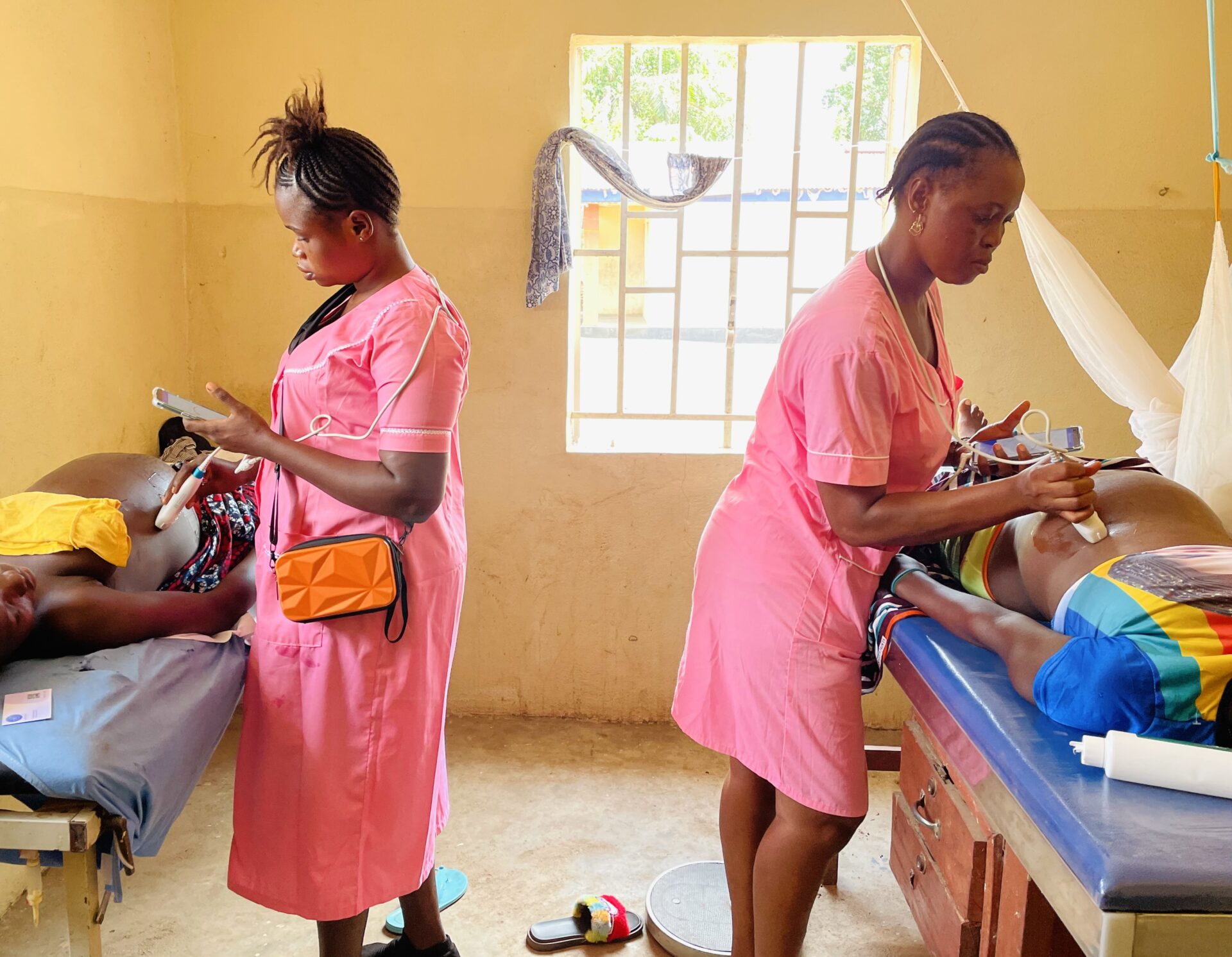
Nearly 700 women die every day from preventable pregnancy and childbirth complications, most in LMICs. Although an ultrasound before 24 weeks is recommended as part of routine antenatal care, access in rural areas remains limited.
Limited access to quality ultrasound
In many primary health facilities, ultrasound is unavailable or requires referral to distant hospitals. This delays diagnosis of risks such as malpresentation, placenta previa, or multiple gestations.
Shortage of trained specialists
Conventional ultrasound requires months of training and ongoing supervision. In many settings, only a handful of providers are trained, creating bottlenecks in antenatal care delivery.
Infrastructure and cost constraints
Traditional systems are expensive and depend on stable electricity and connectivity. This limits scalability and prevents routine screening at community level.
Our approach
Scaling AI-enabled pregnancy screening with BabyChecker
We support Ministries of Health and partners in building coordinated maternal health screening systems that strengthen antenatal care and improve early risk detection. By combining AI-enabled ultrasound, frontline training, and long-term implementation support, we enable scalable and sustainable maternal screening programs within national health systems.
Accessible at the point-of-care
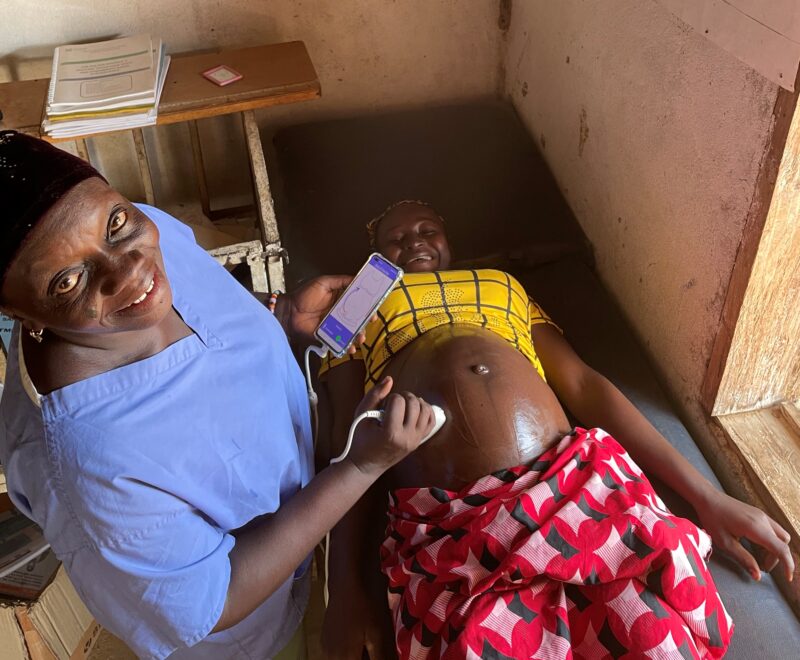
BabyChecker enables early pregnancy risk screening wherever women access antenatal care. Using a handheld ultrasound probe connected to a smartphone, frontline healthcare workers can perform standardized six-sweep scans in approximately two minutes. The system works offline, making it suitable for rural facilities and outreach programs.
Guided sweeps, and easy-to-use
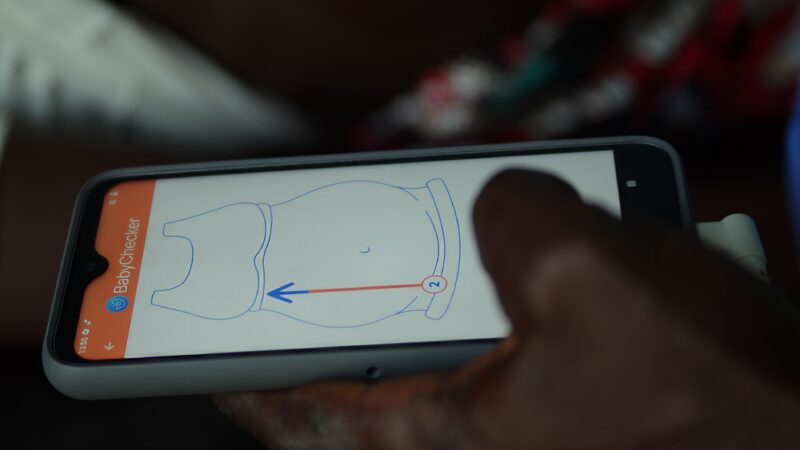
After an onboarding supported by a built-in three-minute training video, healthcare workers can confidently perform scans. The AI analyzes the images and provides clear outputs, including gestational age estimation, fetal presentation, placenta localization, detection of multiple gestations, and 2D fetal imaging.
Centralized system insights
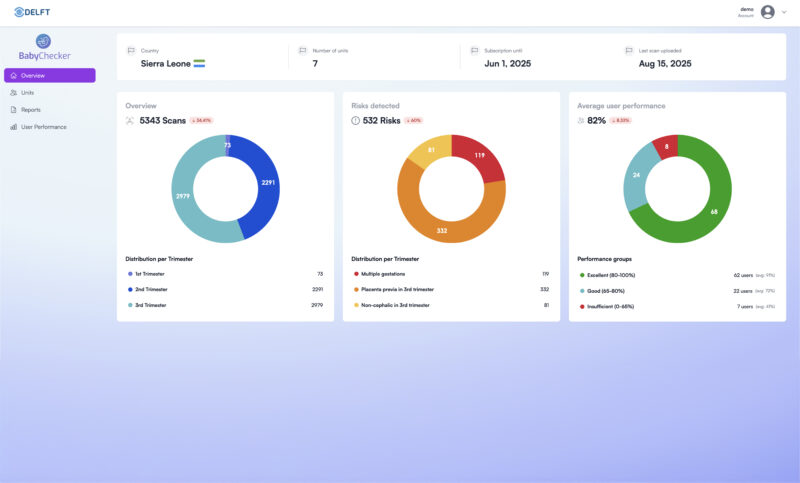
Through the dashboard, Ministries of Health and partners can monitor scan volumes, quality indicators, and detected risk patterns across facilities. Maternal screening becomes part of an integrated ecosystem combining AI, imaging, training, data platforms, and long-term support strengthening health systems at scale.
More than a solution provider. A long-term partner in maternal and antenatal screening.
Expanding access to early pregnancy risk detection requires strong implementation, clear governance, and sustainable financing models. We work alongside Ministries of Health, NGOs, and donor organizations to design scalable, responsible, and financially realistic antenatal ultrasound programs that strengthen national maternal health services.
Built for national antenatal care systems
BabyChecker is designed to integrate into existing national maternal health strategies by providing referral pathways and reporting structures.
Field-tested in resource-constrained settings
BabyChecker has been implemented across multiple countries with thousands of scans performed by frontline health workers. The solution is built for facilities with limited infrastructure, low connectivity, and high patient volumes ensuring operational reliability in real-world conditions.
Clinically validated and responsibly governed
We prioritize clinical validation, transparent AI performance reporting, and regulatory alignment. Validation studies across diverse geographies demonstrate robustness of the model.
Designed for sustainable scale
We work with decision-makers to ensure financial realism, predictable maintenance, and long-term operational feasibility. Our focus is scalable implementation within national budgets and workforce capacity.
Real-world impact
across continents
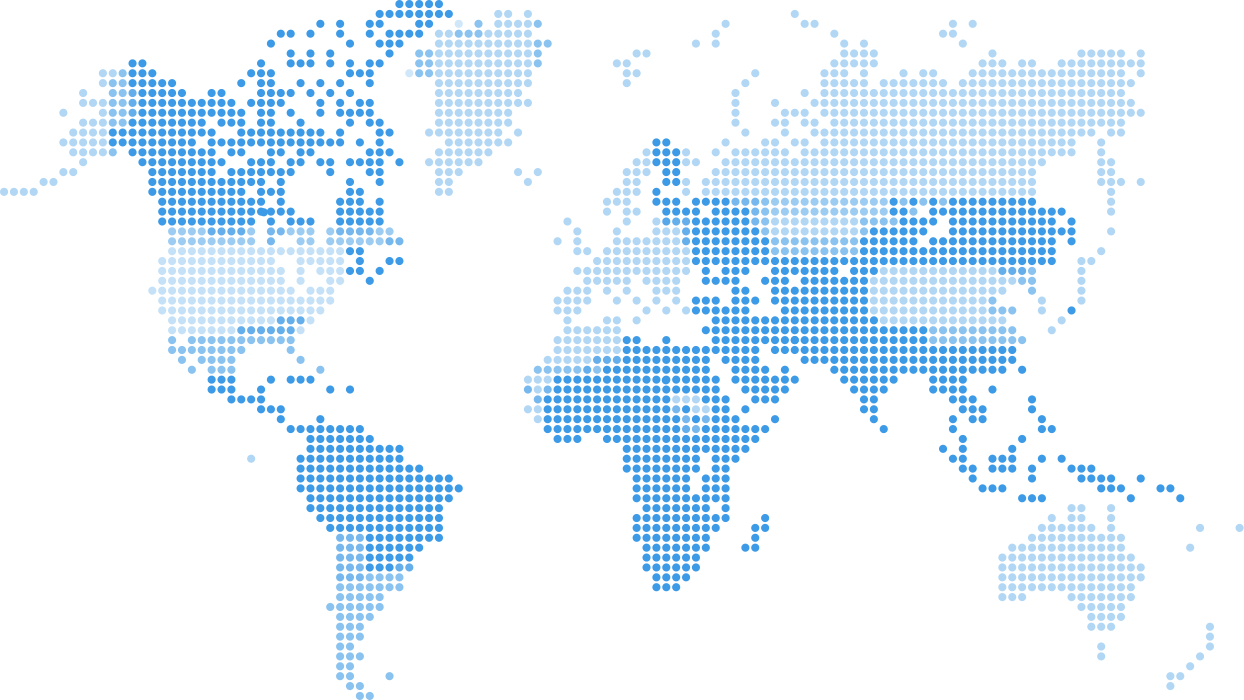
BabyChecker is being used across Africa, Latin America, and Asia to strengthen antenatal care at primary health facilities.
15K
+
Total scans
15
+
Countries
2.4K
+
Women had repeat pregnancy scans
Expanding maternal screening takes more than devices. Explore what it takes to run decentralized maternal screening at scale, with training, workflow integration, data capture aligned with national systems, and predictable service support.
Clinically validated
We have an extensive range of articles, scientific papers, and studies that
showcase the impact of our full range of products in the field.
Co-creating the future of maternal health

Riccardo Lazzaro
Health Coordinator at Doctors with Africa CUAMM, Ethiopia
“Preliminary findings (study from CUAMM Ethiopia) show that BabyChecker initiative demonstrated a high practical user-friendly and adoptable solution for improving ultrasound screening in rural areas. The implementation also showed that BabyChecker can play a vital role in early identification of pregnancy-related risks, facilitating prompt referrals and timely intervention and maybe contribute to improve antenatal compliance.”
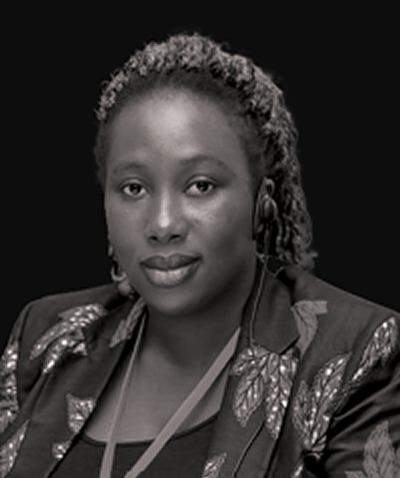
Ms. Amie Koroma
Program director at White Ribbon Alliance, Sierra Leone
“Women love the Baby Checker, they love to be scanned, they are coming all the time and they are coming earlier, which is very good because then they can also be assessed for other ANC issues. So there are no sociocultural issues and high community acceptance.”

Mr. Tafadzwa Kalisto Munzwa
Co-founder and executive director of Dawa Health, Zambia
“With BabyChecker, […] we were able to identify that this patient had a potentially low lying placenta, which is what I said, placenta previa, […] this is not a case you can manage at a low level health clinic. So we referred this patient to a teaching hospital where they were able to be assisted, […] you can see how in the real world a tool like BabyChecker is actually making a difference because we are able to identify some of these potentially high risk patients who would otherwise maybe succumb to whatever undiagnosed conditions they have.”

Dr. Edgar José Velásquez Orellana
Doctor of Gynecology and Obstetrics, Honduras
“In rural areas, technology is scarce—there’s often no electricity, no internet access, and poor roads, which make reaching healthcare facilities difficult. As a result, the quality of healthcare services is affected. Baby Checker has improved this situation, making prenatal care more effective. “

Dr. Elijah Charles
Medical Superintendent, Lion Heart Medical Centre, Sierra Leone
“It is very simple to use. You do not have to undergo a specialized professional training for this, as it is required in the standard ultrasound scan. It can be done by practically anyone. Anyone can be trained to do it. It does not require the availability of uninterrupted electricity supply, which of course you need if you want to be using the standard ultrasound scan. You only need a smartphone with the app in the phone, and then you get ultrasound probe, you connect it to a smartphone, get the phone charged and you are set to go.”

Ignacio Prieto Egido
Director, EHAS Foundation, Guatemala
“Staff who perform prenatal checkups in rural areas do not always have the opportunity to receive extensive training, so having an easy-to-use device is a very important advance for us. That is why we started to collaborate with DOLF and use BabyChecker. It helps us manage high staff turnover and puts the tool directly in the hands of those who work every day in the community.”

Karlin Bacher
Director of Clinical Quality Improvement, Jericho Road Community Health Centre
“In August, a woman presented to our regular antenatal clinic for a visit. During the exam, they palpated that the baby’s lie was not cephalic and that her belly was very large. They decided to use the Baby Checker, which estimated 40 to 42 weeks of gestational age. The scan confirmed a breach presentation and a low-lying placenta. It recommended referral to a higher level of care. They carried out this referral, and the lady was sent to the local government hospital. Upon further examination, they identified that the mother was carrying twins. They were able to conduct a c-section successfully. Today, the babies and mother are all doing very well.”
Want to know more about our solutions?
Explore how our solutions can support your screening program.
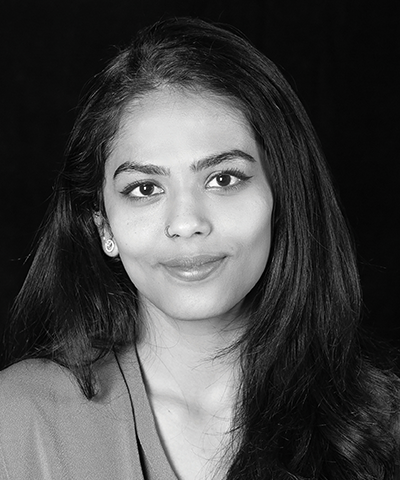
Kavita Patrayudu
Business Development Manager (BabyChecker)
- Review which solutions align with your programmatic and operational needs
- Explore partnership opportunities and long-term collaboration
- Address technical, clinical, and infrastructure considerations specific to your setting