
Discover the in’s and out’s of using our lung health solutions in a private meeting
Disease Surveillance
Turning screening data into program action
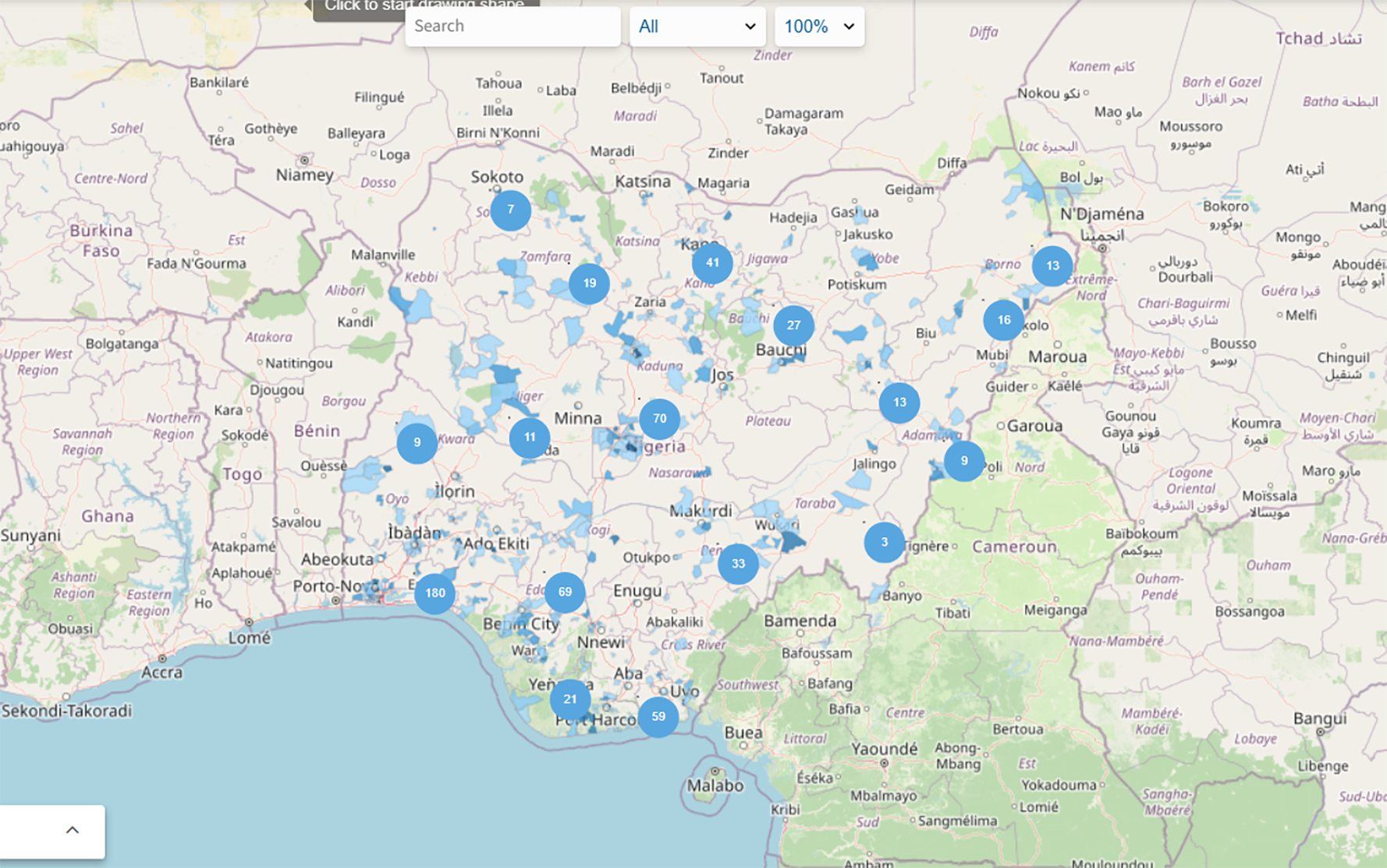
Disease surveillance extends beyond visibility. It enables programs to understand where disease burden is highest, how services are utilized, and where interventions can achieve the greatest impact. By transforming screening data into actionable insights, programs can prioritize high-burden regions, target vulnerable populations, and allocate personnel, and diagnostic resources with greater precision.
Why opt for disease surveillance?
As screening efforts continuously expand, programs require timely visibility across sites and regions. Clear geographic insight is essential to effectively target interventions, monitor progress, and respond to evolving disease patterns.
Limited visibility
Many programs generate large volumes of screening and diagnostic data. Yet this information often remains distributed across sites, systems, or paper-based records. Without consolidated and accessible data, decision-makers face challenges in understanding where disease burden is high, where gaps remain and where interventions are most effective.
Sub-optimal resource allocation
In resource-constrained settings, strategic planning is critical. Without a precise understanding of where to focus screening activities, personnel and equipment, programs risk diluting their impact or overlooking the populations most in need.
Fragmented systems and decision-making
Surveillance and service delivery data, as well as operational information often sits in separate systems. This fragmentation limits coordination, delays timely access to care, and reduces the ability to respond to shifting disease dynamics.
Our approach
From screening signals to program decisions
Effective surveillance connects front-line activities with strategic decision making. Our approach integrated screening data program monitoring, and geographic information. This helps TB programs track progress, identify hotspots, and plan interventions where they matter most.
Detect
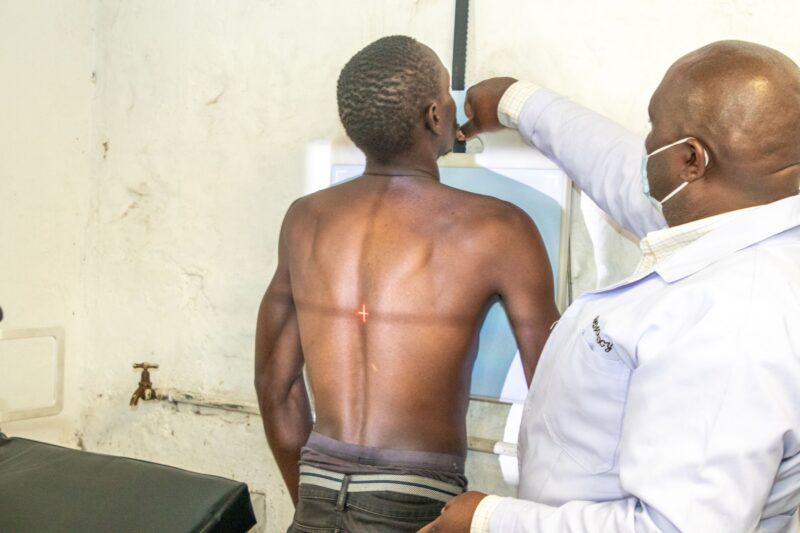
CAD4TB+ provides an automated interpretation of chest X-rays, instantly identifying potential TB cases. The output highlights radiological abnormalities beyond TB, supporting comprehensive respiratory health screening.
Monitor
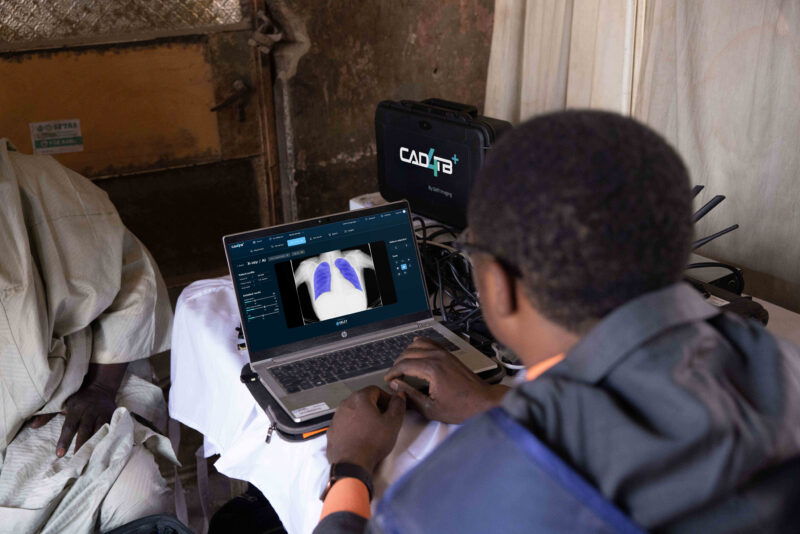
Get real-time monitoring of field screening activities, including the number of chest X-ray screenings conducted with AI, positivity rates across sites and regions, and the geographic distribution of presumptive TB cases identified through CAD scores.
Map & act
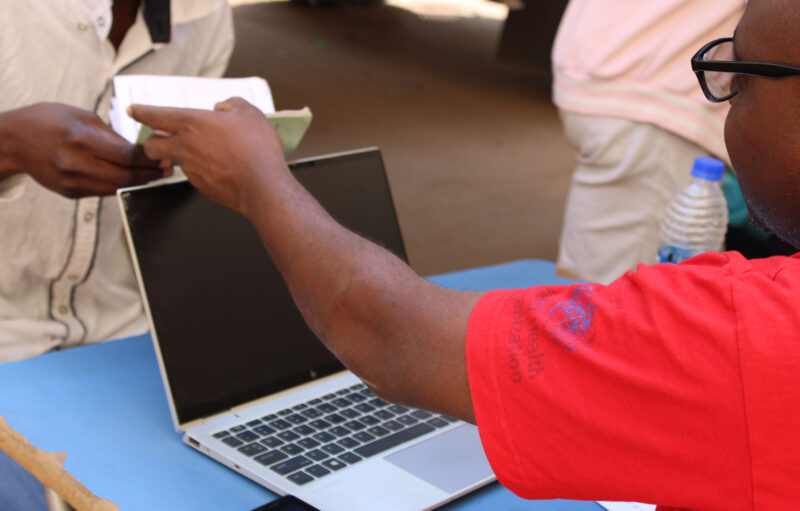
Transform data into actionable intelligence with geographic insights, including hotspot identification and vulnerable population groups. Visualizing screening coverage and asset distribution supports targeted planning and optimized resource allocation.
More than a solution provider. A committed partner in lung health system strengthening.
We support both implementation and long-term operational use, ensuring that disease surveillance remains practical, scalable, and embedded within national and subnational systems.
Our goal is to help programs move from fragmented activities to coordinated, measurable impact.
Integration with existing systems
We support alignment with national TB program reporting and planning needs.
Alignment with national TB program reporting methodology and planning processes ensures seamless adoption and sustainability.
Consistent reporting and standardization
We help create clear, comparable outputs across regions and partners, so stakeholders can act on a shared view of progress.
Operational continuity and support
We support deployment planning and day-to-day usage so systems remain reliable over time.
Responsible use of technology and data
We promote transparency, validation, and responsible data use in line with national and international accountability standards.
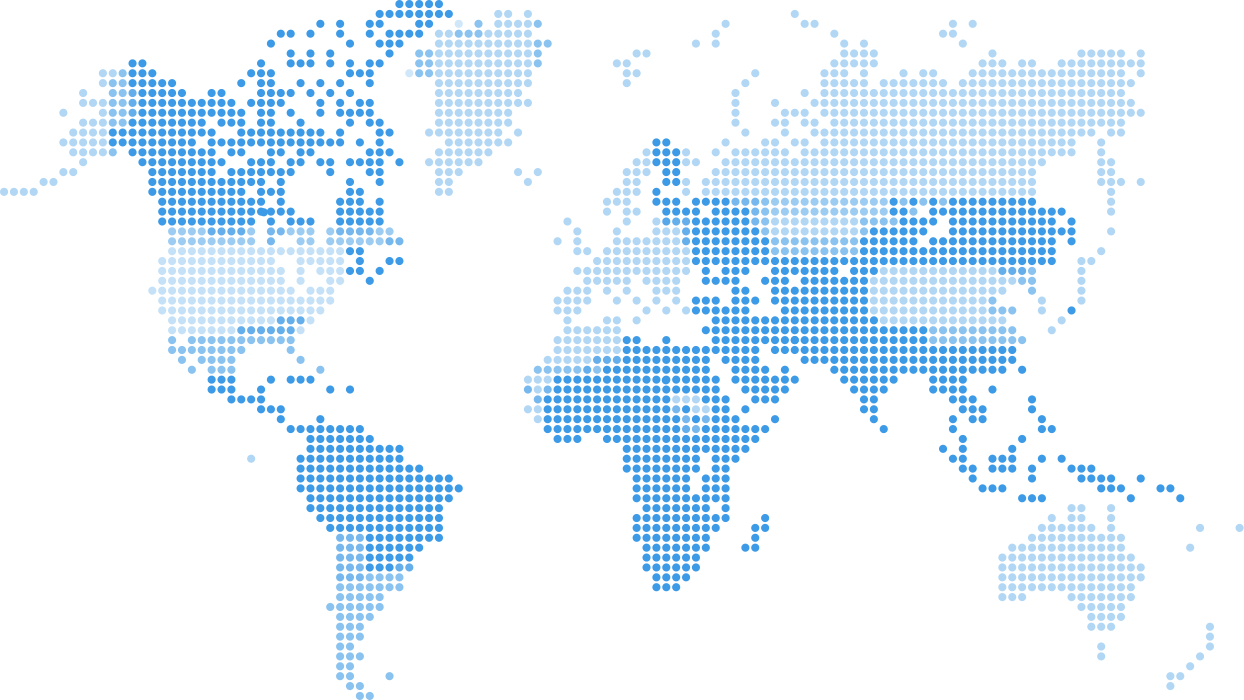
Real-world impact across continents
Disease surveillance supports decisions across the lung health program cycle.
By connecting screening data, monitoring insights, and geographic intelligence, programs can improve targeting, strengthen reporting, and plan interventions with greater precision and effectiveness.
Flagship projects

Pakistan – Active case finding at prison with CAD4TB
Case Study
Kenya – Integration of CAD4TB & National TB Data System (TIBULIMS)
Case Study
90
+
Countries
3.000
+
Installations
55.000.000
+
People reached
Want to know how you can strengthen your national health systems with Disease surveillance?
If your program aims to improve targeting, enhance reporting quality, or optimize planning, we can support a structured assessment of your current setup, data flows, and operating model.

Sasan Asadiabadi
Head of R&D: X-ray
- Assess how your current setup supports surveillance goals
- Explore ways to improve data quality, reporting, and visibility
- Identify opportunities to strengthen planning and decision-making