
Let’s explore how to strengthen health systems together.
Decentralized
and community screening
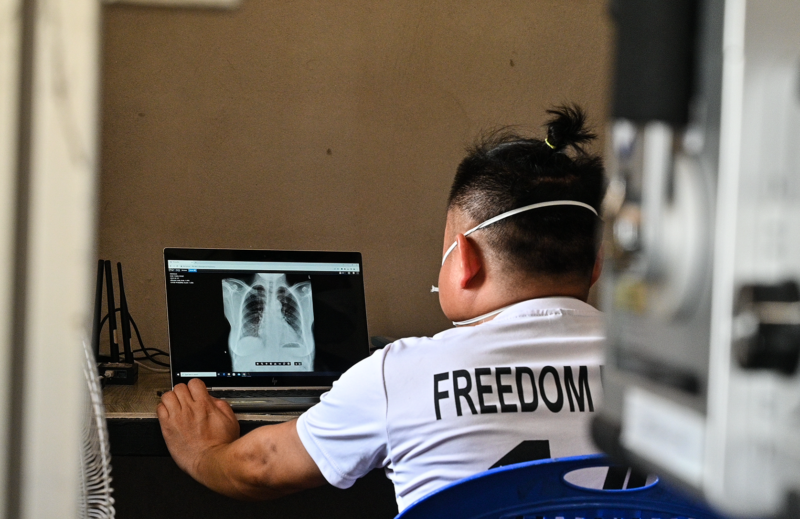
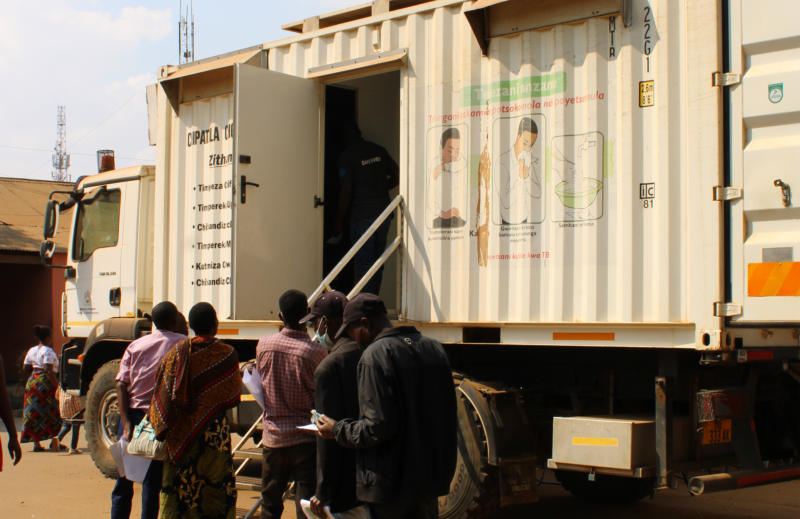
Decentralized and community screening brings TB services closer to people in remote and underserved areas. It expands case finding while remaining aligned with national systems.

Scaling screening within national health systems
National TB programs must expand coverage, improve detection, and manage costs. While AI tools are easier to compare, integration and service continuity drive success. We help governments build integrated TB screening systems that fit existing infrastructure.

The system challenge
Community screening settings often involve:
- Limited infrastructure and unstable power supply
- Limited access to trained frontline healthworkers
- Connectivity constraints
- High volumes during outreach campaigns
- Risk of fragmented data capture and reporting
To strengthen the national system, community screening needs shared workflows, shared reporting, and clear operational ownership.
Our solution
AI-based solutions for screening are easier to compare than they were a few years ago. In many settings, the deciding factors are integration, implementation quality, service continuity, and the operating model.
We work with governments to strengthen national TB screening systems by building integrated screening systems that fit existing health infrastructure.
Community screening as a part
of the national screening infrastructure
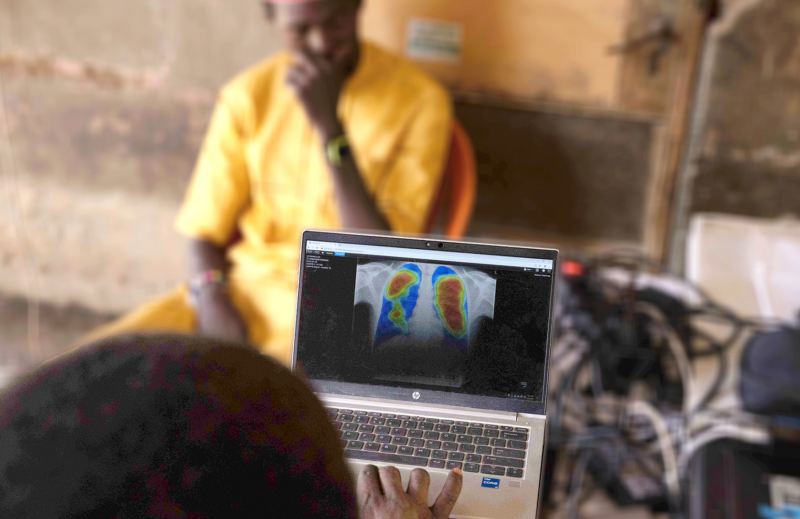
We combine portable digital imaging, AI-assisted interpretation, secure data integration, and structured service support into one deployment model.
This enables:
- Real-time triage support in non-specialist environments
- Standardized interpretation across regions
- Integration with national reporting systems
- Flexible deployment in rural and mobile settings
- Continuity through remote monitoring and preventive service planning

Myrto Allamani
Dive into how our solutions can help you in decentralized and community screening.
Implementation and operational reliability
Technology only strengthens health systems when it is implemented well.
Structured rollout planning
We align rollout plans with national TB strategies and operational realities.
Frontline training
We train frontline professionals to use digital X-ray and AI with confidence.
Workflow integration
We integrate our solutions into existing clinical and national data systems.
Lifecycle management
We provide preventive maintenance, refresher training, and warranty support .
High system uptime
24/7 helpdesk and local partners ensure fast issue resolution.
Grid-independent operation
Battery and solar power enable screening in remote settings
Protected outreach continuity
Reliable performance safeguards screening momentum and public trust.
Economic sustainability and responsible AI
Decentralized screening needs financial accountability.
We support decision-makers with:
- Throughput and workflow optimization
- Planning to optimize screening throughput
- Fewer unnecessary referrals through clearer triage
- Performance reporting that supports accountability
- Ongoing validation support and regulatory compliance planning
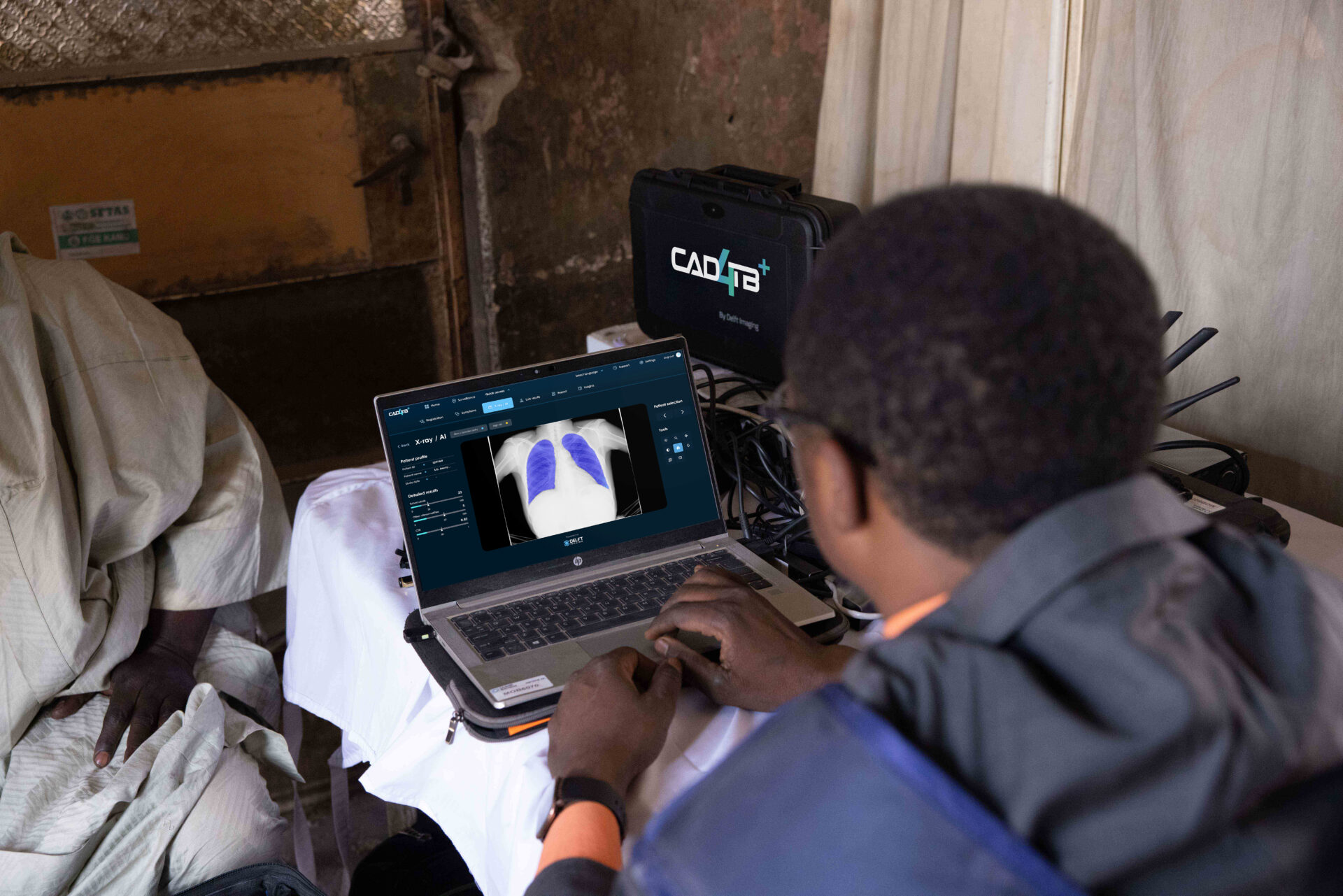
Expanding TB screening through integrated outreach
Expanding access while strengthening systems
Decentralized screening strengthens national TB strategies when it is integrated, reported, and supported like any other part of the health system.
Strengthen your national screening strategy
If your program is planning outreach in rural or underserved areas and wants to maintain integration and sustainability, we can help assess deployment options and operating requirements.
Insights from the field
Watch these webinar sessions to gain insights and learn from field experience.
Discover all
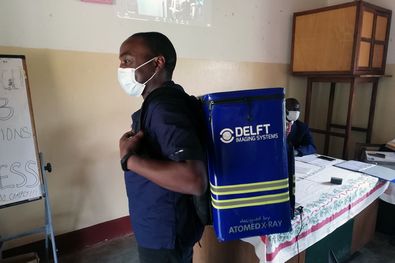
Webinar
Field Experience of Community Digital X-ray Screening Using Delft Light in West Nile Region of Uganda
Watch webinar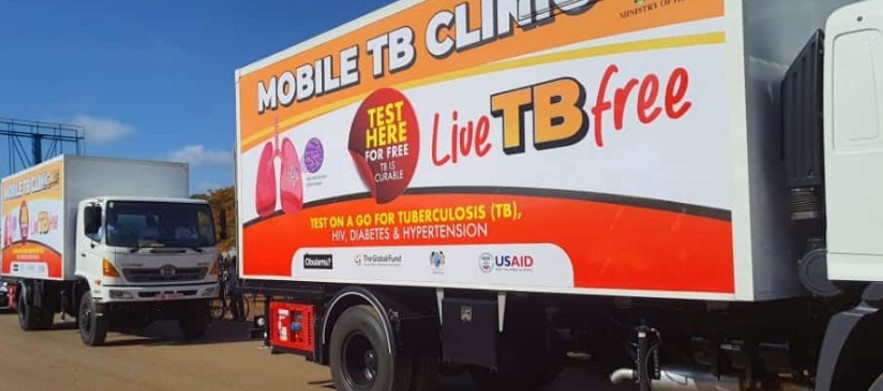
Webinar
Use of mobile digital X-ray with CAD4TB at Health facility & community setting
Watch webinar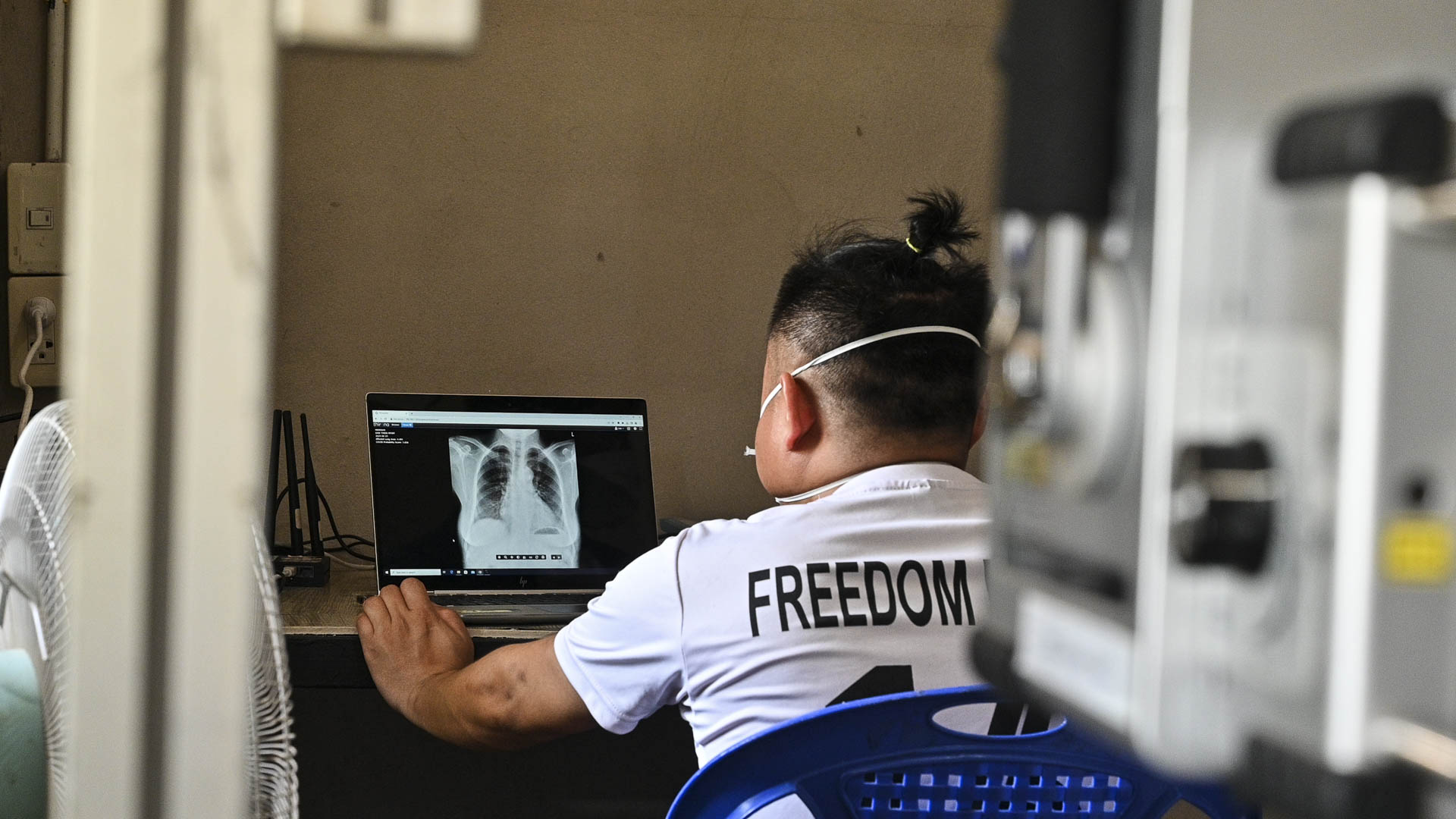
Webinar
Field TB-Screening of Migrants Living in the Thailand-Myanmar Border with CAD4TB
Watch webinarWant to know more about our solutions?
Explore how our digital X-ray and AI solutions can support your screening program.

Eline Golembiewski
Head of Marketing
- Find the solutions that fit your needs
- See how our innovations can support your programme
- Explore how we can work together to expand access to care